Kentucky’s Lake Barkley Crappie Fishing Guide
Oh, Lake Barkley! If you've ever found yourself staring out at those vast Kentucky waters, dreaming of a cooler full of delicious crappie but feeling utterly overwhelmed by where to start, you're not alone. It's a common frustration – this massive lake can be intimidating, and the crappie can seem to vanish into thin air. This comprehensive guide is here to cut through the confusion, helping you understand the unique crappie fishery of Lake Barkley, the best times to fish, and the proven strategies to fill your livewell.
Understanding Lake Barkley's Crappie Fishery
Lake Barkley, straddling the border of Kentucky and Tennessee, is part of the sprawling Kentucky Lake & Lake Barkley system, connected by the Barkley Canal. This means a rich, diverse ecosystem that supports a phenomenal crappie population. But it’s not just about size; it's about understanding the nuances of this specific body of water, which truly sets it apart from other crappie havens. Anglers often get frustrated trying to apply generic crappie tactics here without considering Barkley's unique characteristics.
Black vs. White Crappie in Lake Barkley
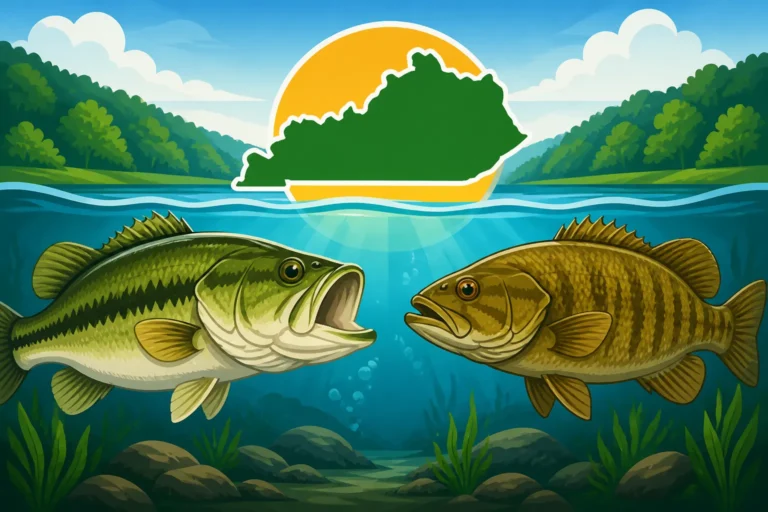
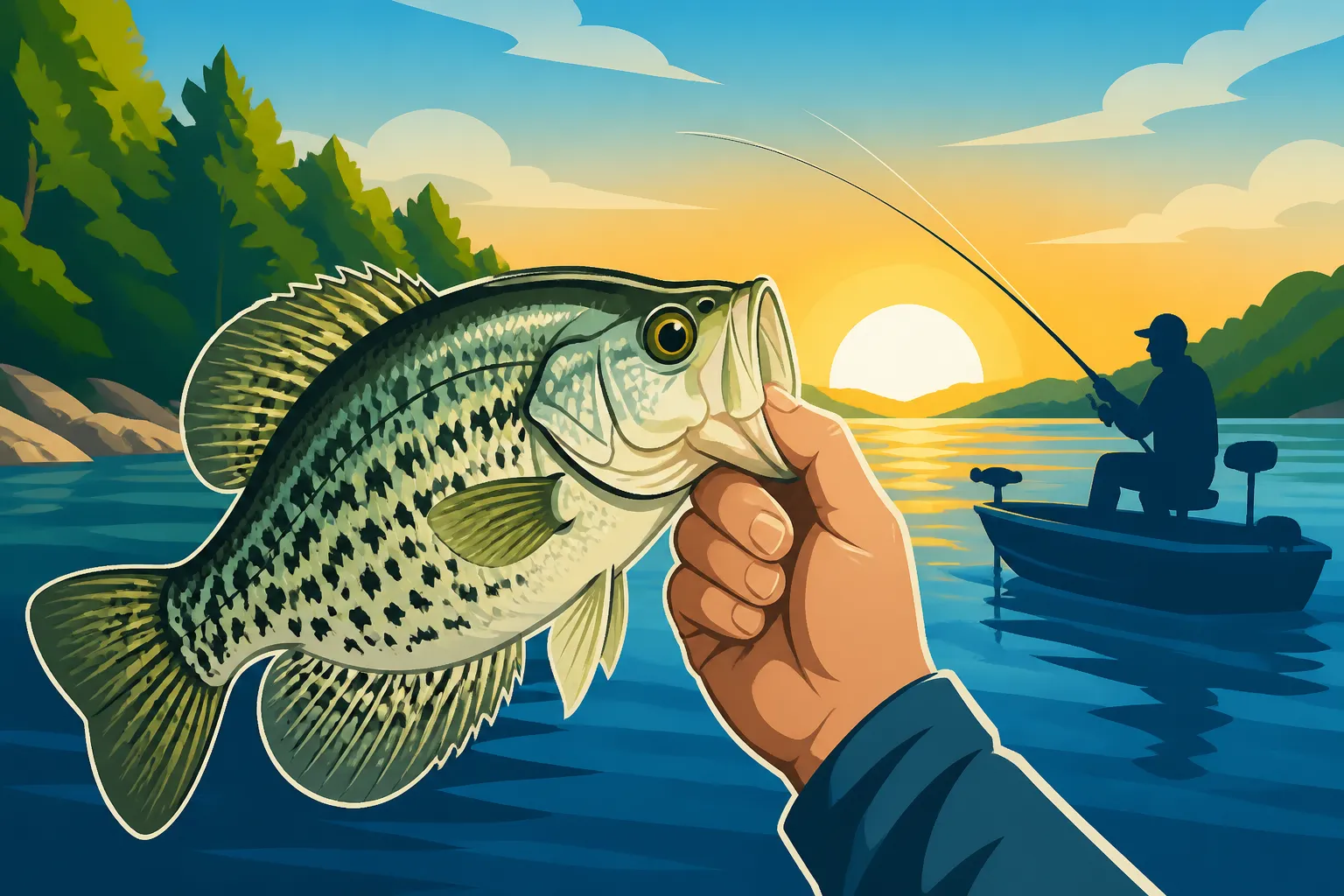
When you're out on Lake Barkley, you'll primarily encounter two species of crappie: the black crappie and the white crappie. While they both offer fantastic angling opportunities and taste amazing, there are subtle differences in their preferred habitats and behaviors that can make a big difference in your catch rate. Many anglers lump them together, but knowing who you're targeting can refine your approach significantly. It’s not just academic; it’s practical on the water.
Black crappie tend to prefer clearer water and are often found around more extensive vegetation or submerged timber. They have a speckled appearance, which helps them blend into these environments. On the other hand, white crappie are a bit more tolerant of murkier water and are frequently associated with open water, points, and channel edges, especially those with some current. You'll notice they have distinct vertical bars on their sides. Understanding these preferences, as discussed in detail in Black Crappie Vs White Crappie: Key Differences, can help you select your fishing spots more strategically. For instance, if you're fishing a shallow, brushy cove after a rain, you might primarily target black crappie, while a deeper, open channel bend might be perfect for white crappie. Both are abundant in Barkley, but a nuanced approach increases your chances.
Lake Barkley's Unique Crappie Habitat
Lake Barkley offers a smorgasbord of crappie habitat, from sprawling shallow flats to deep river channels, and everything in between. This variety is both a blessing and a curse. It means there's always somewhere for crappie to be, but it also means they can be widely dispersed, making them harder to pinpoint. The lake is essentially an impoundment of the Cumberland River, which means it retains many riverine characteristics, including a strong main channel and numerous tributary arms.
The deep river channel, lined with ledges and drop-offs, is a prime highway for crappie, especially during transition periods or in colder months. These areas often hold schools of fish suspending at certain depths. Then there are the countless coves, bays, and feeder creeks, which become crappie magnets during the spring spawn. These shallower areas are often filled with submerged brush piles, standing timber, old roadbeds, and bridge pilings – all prime ambush points for crappie. The Kentucky Department of Fish and Wildlife Resources (KDFWR) also actively places artificial fish attractors, especially crappie beds, throughout the lake, which are fantastic, easily identifiable spots once you know their general locations. These hidden gems can be real game-changers, offering consistent action when other areas are slow.
Crappie Size and Bag Limits Specific to Barkley
It’s absolutely crucial to know the specific regulations for crappie fishing on Lake Barkley. Kentucky has statewide limits, but major lakes like Barkley often have their own site-specific rules designed to manage the fishery for optimal health and angling success. Getting caught with the wrong size or too many fish isn't just a minor inconvenience; it can result in significant penalties, as outlined in Penalties for Fishing Without a License in Kentucky. Always check the most current Kentucky Fishing and Boating Guide before you head out, as regulations can change.
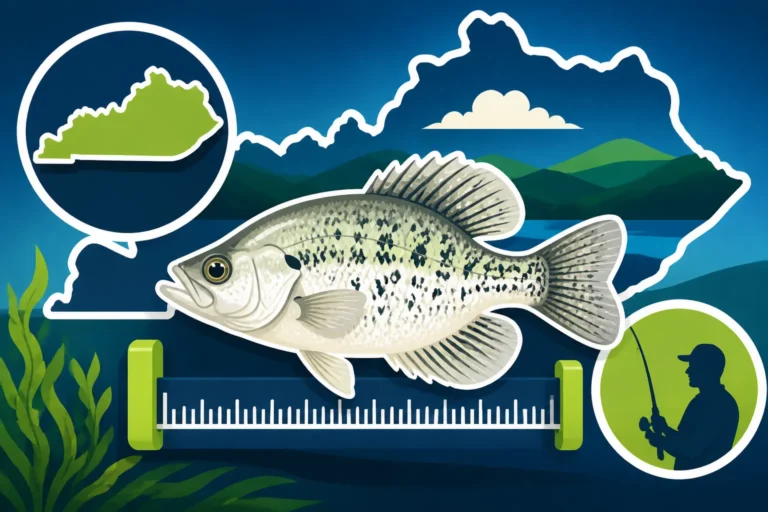
For Lake Barkley, typically the statewide crappie daily limit of 20 fish applies. However, always double-check for any length limits or slot limits that might be in effect, as these can vary year to year or even by specific parts of the lake. For example, some years might see a 10-inch minimum size for crappie, or a slot limit where only a certain number of fish within a specific size range can be kept. These regulations are put in place by biologists to ensure the lake continues to produce healthy, catchable crappie for generations to come. Respecting these rules is part of being a responsible angler and helps maintain the incredible fishery that Lake Barkley offers.
Seasonal Crappie Fishing Strategies on Lake Barkley
Crappie fishing on Lake Barkley is a year-round affair, but your tactics absolutely must change with the seasons. What works like magic in April will likely leave you frustrated in August. Understanding the crappie's seasonal movements and behaviors is the key to consistent success. It's like having a secret calendar for when and where the fish will be.
Spring Spawn: Shallow Water Action
Ah, spring! This is arguably the most anticipated time for crappie anglers on Lake Barkley, and for good reason. As water temperatures begin to climb in late March and April, crappie start their migration from deeper winter haunts into the shallower coves and creek arms to spawn. This is when you can find some of the most aggressive and accessible crappie fishing. The magic water temperature for crappie to start spawning in Kentucky generally falls between 58 and 68 degrees Fahrenheit, as detailed in Kentucky Crappie Spawn Timing by Water Temperature.
During the pre-spawn phase, crappie will stage on secondary points and channel swings near spawning flats. They’re feeding heavily, building energy for the spawn, making them eager biters. Small jigs, particularly chartreuse, white, or black-and-chartreuse combinations, fished under a bobber or slowly retrieved, are incredibly effective. Once the water hits that sweet spot, crappie move right into the shallow water, often in depths of 1-5 feet, seeking out brush piles, stumps, and submerged vegetation to lay their eggs. This is prime time for casting small jigs or live minnows near cover. Where to Find Black Crappie on Lake Barkley offers excellent insights into targeting these fish in their spring hideouts. Many anglers use spider rigging or single-pole jigging, slowly moving through these shallow areas, probing every piece of cover.
Summer Doldrums and Deep Water Tactics
Once the spawn is over and the heat of summer sets in, crappie transition to deeper, cooler waters, often suspending over structure or around the main lake channel. This can be a challenging time for many anglers, as the fish become less concentrated and often more finicky. But don't despair! Successful summer crappie fishing on Lake Barkley simply requires a shift in strategy and a willingness to explore deeper water.
During July and August, crappie will seek refuge in depths of 10-30 feet, often relating to submerged timber, bridge pilings, deep brush piles, and the main river channel ledges. They'll often suspend at a specific depth where the water temperature and oxygen levels are ideal. This is where electronics become your best friend. A good fish finder can help you locate these suspended schools and the structure they relate to. Vertical jigging directly over these schools with small jigs or live minnows is a highly effective technique. Spider rigging with multiple poles, presenting baits at different depths, is another excellent way to pinpoint where the fish are holding. How to Find Crappie in Deep Water in Summer provides even more detail on these essential warm-weather tactics. You might even find some success trolling small crankbaits over deep humps and ledges, covering a lot of water to find scattered schools.
Fall Feeding Frenzy: Transitioning Crappie
As the scorching summer heat gives way to cooler autumn temperatures, Lake Barkley's crappie undergo another significant transition, often leading to some of the best fishing of the year. Fall crappie fishing can be incredibly rewarding because the fish are actively feeding, bulking up for the leaner winter months. They become more aggressive and predictable in their movements.
In early fall, as water temperatures begin to drop, crappie will start moving out of their deep summer haunts and push back towards shallower areas, particularly creek channels, secondary points, and flats adjacent to deeper water. They're following baitfish, which are also moving into these areas. As fall progresses, and especially after the fall turnover, you'll find crappie congregating around brush piles, stumps, and submerged timber in 8-15 feet of water. Trolling small crankbaits or tight-lining jigs and minnows are highly effective ways to cover water and locate these active schools. The fish are often more spread out than in spring but very willing to bite. Pay attention to wind-blown banks and main lake points, as baitfish often get pushed into these areas, attracting hungry crappie.
Winter Crappie: Slow and Steady Bites
Don't hang up your crappie gear just because winter has arrived! While it might require a bit more patience and a slower approach, Lake Barkley can offer some fantastic winter crappie fishing for those willing to brave the cold. The key is to understand that crappie metabolism slows down in cold water, meaning they're less active and less likely to chase a fast-moving bait.
In the coldest months, crappie on Lake Barkley will retreat to the deepest, most stable water they can find. This usually means the main river channel, deep creek channels, and large, deep coves. They'll often congregate in large schools, relating tightly to significant structure like bridge pilings, deep brush piles (sometimes in 20-40 feet of water), or even just suspending in the deepest parts of the channel. The trick is to find these schools and present your bait directly to them, usually with a very slow, subtle presentation. Vertical jigging with tiny jigs (1/32 or 1/16 ounce) or still-fishing with live minnows are prime tactics. Look for subtle bites – sometimes it's just a slight twitch of your line or feeling extra weight. It's not about quantity of bites, but often about quality fish when you do connect.
Essential Gear and Techniques for Barkley Crappie
Having the right tools for the job can make all the difference, especially when you're dealing with a lake as diverse as Barkley. You don't need to break the bank, but a few key pieces of specialized gear can significantly improve your crappie catching odds.
Rods, Reels, and Line Selection
For crappie fishing on Lake Barkley, you'll want a setup that's sensitive enough to detect those often-subtle crappie bites, yet strong enough to handle a decent-sized slab.
- Rods: Most crappie anglers opt for light to ultralight spinning rods, typically between 6 to 9 feet in length. A longer rod, especially in the 7 to 9-foot range, gives you better casting distance, allows you to reach further into cover, and provides better line control, particularly important when spider rigging or trolling. A fast action tip is often preferred for quick hook sets. If you're spider rigging, you might even consider specialized crappie rods that are 10-16 feet long, designed to spread multiple lines out from the boat. For single-pole jigging in dense brush, a shorter, more stout rod (6-6.5 ft) can be more manageable.
- Reels: Pair your rod with a small, lightweight spinning reel (sizes 500 to 1000) that has a smooth drag system. A good drag is essential for fighting crappie, which have notoriously papery mouths.
- Line: When it comes to line, sensitivity is king. Many crappie anglers prefer 4-6 pound test monofilament or fluorocarbon. Monofilament offers a bit of stretch, which can be forgiving, and is very cost-effective. Fluorocarbon is nearly invisible in water and offers excellent sensitivity, but it can be a bit pricier. Braided line, in 6-10 pound test, offers maximum sensitivity and strength, but you'll almost always want to tie on a fluorocarbon leader (4-6 lb test) to combat its visibility in clear Lake Barkley waters. Using high-visibility line like a bright yellow monofilament can also help you detect those faint bites when fishing with a bobber. You can find a wide range of suitable lines on Amazon to suit your preference and budget.
Best Baits and Lures for Lake Barkley Crappie
Crappie are opportunists, and a variety of baits and lures will entice them. The key is often matching the hatch and knowing when to switch things up.
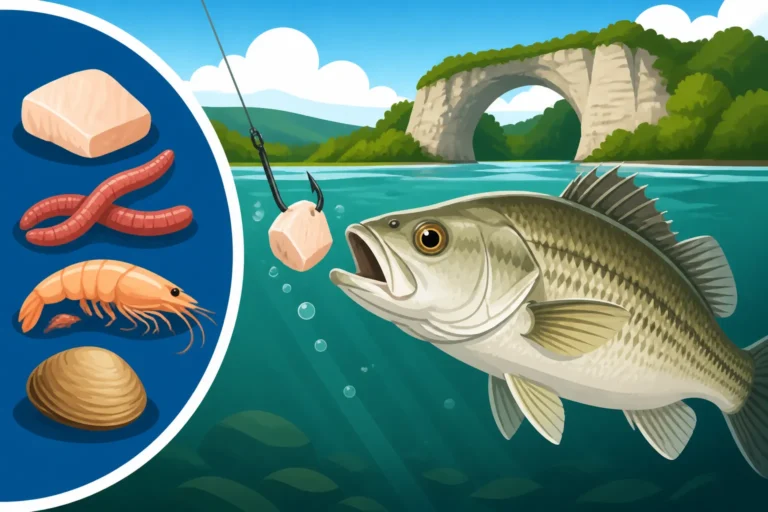
- Live Minnows: There's a reason live minnows are a classic crappie bait – they simply work. A lively minnow suspended under a bobber or tight-lined is often irresistible, especially to finicky crappie or during colder water periods. Hook them lightly through the lips or just behind the dorsal fin to keep them active.
- Jigs: Small jigs, typically 1/32 to 1/8 ounce, are probably the most versatile crappie lure. They come in countless styles (tube jigs, curly tail grubs, hair jigs, spider jigs) and an endless array of colors. Popular colors for Lake Barkley often include chartreuse, white, black, pink, and various two-tone combinations like black and chartreuse, or blue and white. Best Crappie Jigs for Kentucky Waters dives deeper into specific jig recommendations.
- Soft Plastics: These are often fished on jig heads and mimic minnows or small crustaceans. Brands like Bobby Garland's Baby Shad or Panfish Assassin are staples in many crappie anglers' tackle boxes. They offer incredible action with minimal movement and can be deadly when crappie are being selective.
- Small Crankbaits: While less common for vertical jigging, small crankbaits (like Bandit 200 series or Rapala Shad Raps) can be incredibly effective when trolling for crappie, especially in open water or over deep flats. They cover a lot of water and can trigger aggressive strikes. For more detailed bait choices, check out Best Bait for Crappie on Lake Barkley.
Popular Rigs and Presentations
The way you present your bait is just as important as the bait itself. Crappie can be very particular about presentation.
- Jigging: This is a fundamental technique. You can cast a jig and slowly retrieve it, allowing it to fall and rise, or you can vertical jig directly under the boat, especially when you've located a school on your electronics. A slight lift-and-drop motion is usually all it takes. When fishing brush piles, drop your jig right into the cover, let it sit for a moment, and then slowly lift it out.
- Spider Rigging: This technique involves using multiple long rods (often 4-8 rods or more) fanning out from the front of the boat, each with a jig or minnow rig. The boat moves very slowly, typically with an electric trolling motor, covering a wide area and presenting baits at various depths. It’s an excellent way to locate scattered fish and can be incredibly effective when crappie are spread out.
- Slip Bobber Rig: Perfect for suspending a live minnow or a small jig at a precise depth, especially when crappie are holding over structure or a specific depth range. The slip bobber allows you to cast easily even with deep settings. You can find pre-tied slip bobber kits on Amazon that include everything you need to get started.
- Tight-lining/Live Bait Rig: This simple rig involves tying a small hook (Aberdeen or Kahle style, size 4-8) directly to your main line, sometimes with a small split shot weight a foot or so above the hook. This is often used with live minnows and presented vertically or cast and slowly retrieved. It’s a very natural presentation that crappie often can’t resist.
Locating Crappie Hotspots on Lake Barkley
Lake Barkley is a big body of water, and just driving around hoping to stumble upon crappie can be a frustrating exercise in futility. The most successful crappie anglers are those who understand how to read the water, identify key structures, and effectively use their electronics to pinpoint those productive hotspots.
Understanding Structures and Cover
Crappie are structure-oriented fish. They love to relate to anything that provides cover, shade, or an ambush point for baitfish. On Lake Barkley, this means keeping an eye out for several key types of structure and cover:
- Brush Piles: These are crappie magnets. They can be naturally occurring submerged timber, fallen trees, or artificial brush piles sunk by anglers or the KDFWR. Crappie will use these for shelter and as feeding stations. Learning to "feel" for brush with your line, or spotting it on your electronics, is a crucial skill. Crappie Fishing Around Brush Piles offers valuable tactics for fishing these prime areas.
- Standing Timber: In the upper reaches of Lake Barkley and in some of the deeper coves, you'll still find standing timber from before the lake was impounded. These submerged trees provide vertical cover from the bottom to near the surface, and crappie will often suspend around the branches.
- Channel Ledges and Drop-offs: The old Cumberland River channel runs through Lake Barkley, creating distinct ledges and drop-offs. Crappie frequently patrol these edges, especially in deeper water during summer and winter, as they provide easy access to different depths and are often highways for baitfish.
- Bridge Pilings and Riprap: Bridges crossing the lake or its creek arms provide excellent crappie habitat. The pilings offer vertical structure and shade, while the riprap (rocky banks) can hold baitfish and provide spawning habitat in spring. These are often easy to find and consistently hold fish.
- Roadbeds and Foundations: Before the lake was filled, there were roads, houses, and other structures. These remnants, now submerged, create irregularities on the bottom that can attract crappie. Learning to identify these old features on your maps or electronics can lead to hidden gems.
Using Electronics for Crappie Hunting
In today's crappie fishing world, electronics are not just a luxury; they're almost a necessity for consistent success on a large lake like Barkley. Your fish finder is your underwater eyes, showing you what's beneath the surface.
- Sonar (2D): This is your bread and butter. It shows you the depth, bottom contours, and fish arches. Learn to interpret those arches – a large, distinct arch often indicates a good-sized fish. Schools of crappie often appear as a "cloud" or "blob" on traditional sonar, especially when tightly packed around structure.
- Down Imaging/Side Imaging: These technologies provide photographic-like views of the bottom and structure. Down imaging shows you a detailed view directly below your boat, making it easier to identify brush piles and fish holding within them. Side imaging scans out to the sides of your boat, allowing you to cover a vast amount of water quickly and pinpoint submerged brush, old roadbeds, or scattered schools of crappie that traditional 2D sonar might miss. This is invaluable for finding those hidden hotspots before you even drive over them.
- GPS and Mapping: Integrated GPS allows you to mark waypoints for productive spots, brush piles, or channel swings. Detailed lake maps (like those from Navionics or Lakemaster) overlayed on your GPS unit show you contours, creek channels, and even some marked structure, helping you navigate and plan your approach to potential crappie holding areas. Many anglers rely on their GPS to return to a brush pile they've fished successfully year after year.
Public Access and Key Fishing Areas
Lake Barkley boasts numerous public access points, boat ramps, and marinas, making it relatively easy for anglers to get on the water. While crappie can be found throughout the lake, some areas are historically known for consistent crappie production.
- Lower Lake: The main lake basin, particularly from the Barkley Dam up to the Canal, offers a lot of deep-water structure, including main channel ledges, deep points, and bridge pilings. This area is excellent for winter and summer crappie, where they congregate in deeper schools.
- Little River and Cumberland River Arms: These major tributary arms are crappie havens, especially during the spring spawn and fall feeding periods. They have numerous coves, creek channels, and abundant shallow water cover like brush and standing timber. Places like Donaldson Creek, Linton Creek, and Muddy Fork are well-known crappie hotspots.
- Barkley Canal: While not always the easiest to fish due to current, the canal connecting Lake Barkley and Kentucky Lake can hold crappie, especially where current breaks and structure provide ambush points.
- State Parks and Public Ramps: Look for fishing opportunities near Lake Barkley State Resort Park, which offers excellent access, or other public ramps scattered around the lake. These areas often have associated shallow coves or points that are easily accessible. Before heading out, it's always a good idea to check local fishing reports or talk to bait shop owners; they often have the most up-to-date information on where the crappie are biting.
Maximizing Your Crappie Success on Barkley
Crappie fishing isn't just about showing up with a rod and reel. It's about paying attention to details, adapting to conditions, and respecting the environment. These elements truly separate the occasional angler from the consistently successful one on a lake like Barkley.
Reading the Water and Weather Patterns
Crappie, like most fish, are incredibly sensitive to their environment. Learning to "read the water" and understand how weather affects their behavior is a game-changer.
- Water Clarity: Clear water often means crappie are more skittish and might require lighter lines, smaller baits, and more subtle presentations. Stained or murky water, on the other hand, can make crappie more aggressive and less wary, sometimes allowing for brighter baits and slightly heavier tackle. Lake Barkley's clarity can change dramatically, especially after heavy rains, so always observe the conditions when you arrive.
- Water Temperature: As we discussed in the seasonal strategies, water temperature is perhaps the most critical factor for crappie behavior. Use a thermometer to pinpoint key temperature ranges. A degree or two can mean the difference between active crappie and dormant ones.
- Wind: Wind can be your friend or your foe. A gentle breeze can create a 'crappie chop' on the water, which helps break up light and makes fish feel more secure, often leading to a better bite. Wind can also push baitfish into certain areas, concentrating crappie. However, strong winds can make boat control challenging and make detecting light bites nearly impossible. Learn to position your boat to drift with the wind, or use your trolling motor to hold against it, to maximize your presentation.
- Barometric Pressure: Fish activity often correlates with changes in barometric pressure. A rising or stable high-pressure system often means stable, predictable fishing. A sudden drop in pressure (before a storm) can sometimes trigger a feeding frenzy, while a long period of low pressure can make fish lethargic. While not always a precise science, it's another piece of the puzzle. Understanding How Rain Affects Fishing and What to Do About It can also be incredibly helpful.
Crappie Cleaning and Preparation Tips
So, you've had a successful day on Lake Barkley, and your livewell is looking good! Now comes the delicious part – cleaning and preparing your catch. Crappie are renowned for their flaky, white, mild-tasting meat, making them a favorite table fare.
- Keep 'Em Cold: The first rule of delicious crappie is to keep them cold immediately after catching. A livewell is ideal, but if you don't have one, get them on ice in a cooler as soon as possible. This preserves their freshness and firm texture.
- Filleting vs. Scaling: Most anglers prefer to fillet crappie to avoid bones, leaving you with pure, boneless meat. You can also scale and gut them to cook whole, which is popular in some traditions, but filleting is generally easier for eating.
- Filleting Technique: With a sharp, flexible fillet knife, make a cut behind the crappie's gill plate down to the backbone. Turn the knife and run it along the backbone towards the tail, separating the fillet. Flip the fillet over and carefully remove the skin. You'll be left with two beautiful, boneless fillets from each fish. If you're new to filleting, there are countless instructional videos online that can guide you through the process, and practice makes perfect!
- Cooking: Crappie fillets are fantastic fried, grilled, baked, or broiled. A classic preparation involves coating them in seasoned cornmeal or breading and pan-frying them until golden brown. Their mild flavor makes them versatile, perfect for fish tacos, sandwiches, or simply served with a squeeze of lemon.
Respecting the Resource and Regulations
Finally, a truly successful crappie angler on Lake Barkley understands the importance of conservation and adherence to regulations. This isn't just about avoiding fines; it's about ensuring that the incredible fishing opportunities on Barkley continue for generations.
- Know the Regulations: Always, always be aware of the current Kentucky Fishing Regulations Explained, including statewide and specific Lake Barkley crappie size and bag limits. The KDFWR website or their annual fishing guide is your best resource. Ignorance is not an excuse when a game warden checks your cooler.
- Practice Catch and Release: While crappie are delicious, consider practicing selective harvest. Keep enough for a meal, but release smaller fish or larger breeding stock to help maintain the population. Crappie are prolific, but sustainable fishing practices are still important. If a fish is deeply hooked or injured, it's often best to keep it if it's within legal limits, rather than releasing it to die.
- Protect the Habitat: Avoid littering, and be mindful of your impact on the lake's ecosystem. If you're creating artificial brush piles, ensure you're doing so legally and responsibly, not just sinking anything that comes to hand.
- Support Conservation: Purchasing your Kentucky Fishing License Guide each year directly contributes to the management, stocking, and enforcement efforts that keep Lake Barkley a premier fishing destination. This small investment pays dividends in healthy fisheries.
By understanding Lake Barkley's unique crappie characteristics, adapting your strategies seasonally, utilizing the right gear, and fishing responsibly, you're well on your way to enjoying some of the best crappie fishing Kentucky has to offer. So, grab your tackle, head to Barkley, and get ready for some serious slab action!
| Season | Primary Location | Typical Depth | Recommended Techniques | Key Baits/Lures |
|---|---|---|---|---|
| Spring | Shallow coves, creek arms, brush piles, spawning flats | 1-8 feet | Single-pole jigging, slip bobbers | Small jigs (chartreuse, white), minnows |
| Summer | Main channel ledges, deep brush, bridge pilings | 15-30+ feet | Vertical jigging, spider rigging | Minnows, small tube jigs |
| Fall | Creek channels, secondary points, shallow brush | 8-15 feet | Trolling small crankbaits, tight-lining | Minnows, curly tail grubs, small crankbaits |
| Winter | Deepest parts of main/creek channels, large brush | 20-40+ feet | Slow vertical jigging, still-fishing | Tiny jigs (1/32 oz), minnows |
Disclaimer
This article is for general informational purposes only and does not constitute professional advice. Laws, prices and regulations vary by location and change over time. Consult a qualified professional for guidance on your specific situation.