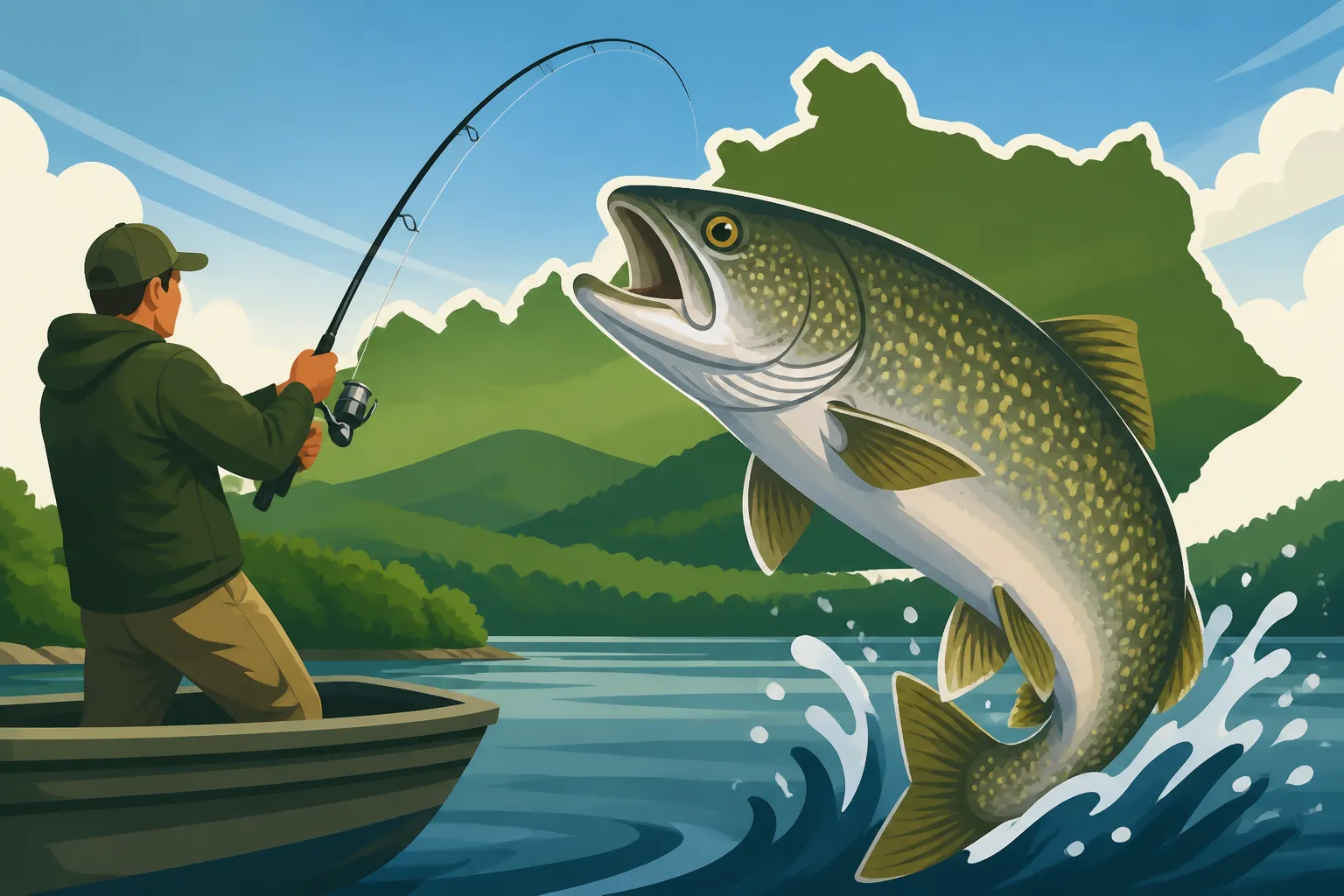
Lake Trout Fishing in Kentucky: What to Know
It's common for anglers, especially those new to Kentucky's diverse waters or those who've fished colder northern lakes, to wonder about the possibility of targeting Lake Trout here. The truth is, while Kentucky boasts incredible fishing for bass, crappie, catfish, and several other species, true Lake Trout opportunities are virtually non-existent, and this guide will break down why and what amazing trout fishing experiences you can find in the Bluegrass State.
Understanding Lake Trout: A Cold-Water Species
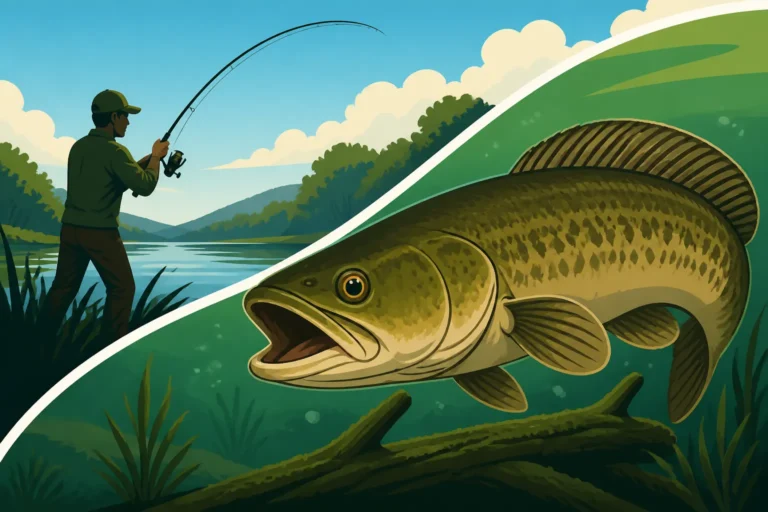
Before we dive into Kentucky's specific situation, let's talk about Lake Trout themselves. These magnificent fish are truly a wonder of the cold, deep north. They are built for extreme conditions, thriving in the frigid, oxygen-rich depths of large, pristine lakes.
Ideal Lake Trout Habitat Requirements
Lake Trout, or Salvelinus namaycush, are part of the char family, and they have very specific needs. They demand incredibly cold water, typically preferring temperatures below 55°F (13°C) year-round. This isn't just a preference; it's a physiological necessity. Their metabolic rates, spawning cycles, and even their ability to process food are tied to these chilly conditions. Beyond just cold water, they need deep, expansive lakes with plenty of dissolved oxygen, especially in the thermocline and hypolimnion layers during warmer months. These lakes often have rocky bottoms for spawning and provide ample forage fish. Think of places like the Great Lakes, or glacial lakes in Canada and the northern US.
The kind of habitat that supports a thriving, self-sustaining population of Lake Trout is quite rare, even within states that border the Great Lakes. They require a stable environment with minimal temperature fluctuations, especially at depth, to complete their life cycle. Any significant warming of the deep water layers can stress these fish, reduce their reproductive success, and ultimately lead to population declines.
Why Kentucky's Climate Isn't Suitable
Kentucky, beautiful as it is, sits firmly in a temperate climate zone, far from the glacial lakes and frigid conditions that Lake Trout call home. Our summers, while wonderful for boating and swimming, heat our lakes and reservoirs significantly. Even our deepest lakes, like Lake Cumberland or Herrington Lake, simply do not maintain the consistent, deep cold-water temperatures and oxygen levels that Lake Trout require to survive and reproduce naturally.
During the peak summer months, the water column in most Kentucky lakes stratifies, creating a thermocline. Below this, the hypolimnion might be cold, but it often becomes depleted of oxygen due to decomposition, making it inhospitable for cold-water species like Lake Trout. This lack of suitable, year-round cold-water habitat means that even if Lake Trout were introduced, they would struggle immensely to survive, let alone establish a breeding population. It's just not in the cards for our beautiful, warmer waters.
The Reality of Lake Trout in Kentucky Waters
So, what does this mean for anglers hoping to catch a Lake Trout in Kentucky? The short answer is: don't count on it. The longer, more nuanced answer involves understanding the distinction between occasional stocking attempts (which are not typical for Lake Trout in Kentucky) and naturally reproducing populations.
Historical Stocking Efforts (Rare or Non-Existent for Lake Trout)
Historically, Kentucky's fisheries management has focused on species that can thrive in our existing lake and river systems. While other trout species, particularly Rainbow Trout, are extensively stocked, dedicated efforts to establish Lake Trout have been either very rare, short-lived, or simply haven't occurred. There's a good reason for this: stocking a species into an environment where it cannot naturally reproduce or survive long-term is generally not a sustainable or efficient use of resources.
The Kentucky Department of Fish and Wildlife Resources (KDFWR) is very intentional with its stocking programs, choosing species like Rainbow Trout for "put-and-take" fisheries in specific cold-water tailwaters or as seasonal additions to certain lakes like Lake Cumberland. These programs aim to provide angling opportunities for species that can survive for a season or two, rather than establish self-sustaining populations in unsuitable habitats. Lake Trout simply don't fit that model for Kentucky's general climate.
Understanding the "Trout" in Trout Fishing in Kentucky: Rainbow, Brook, Brown and Lake Trout
If you've seen "Lake Trout" mentioned in a general Kentucky fishing guide, it's usually either a very broad, inclusive statement about all possible trout species or a slight misunderstanding of the actual trout fisheries in the state. For Kentucky, "trout fishing" overwhelmingly refers to Rainbow Trout.
When we talk about trout in Kentucky, we're almost always referring to:
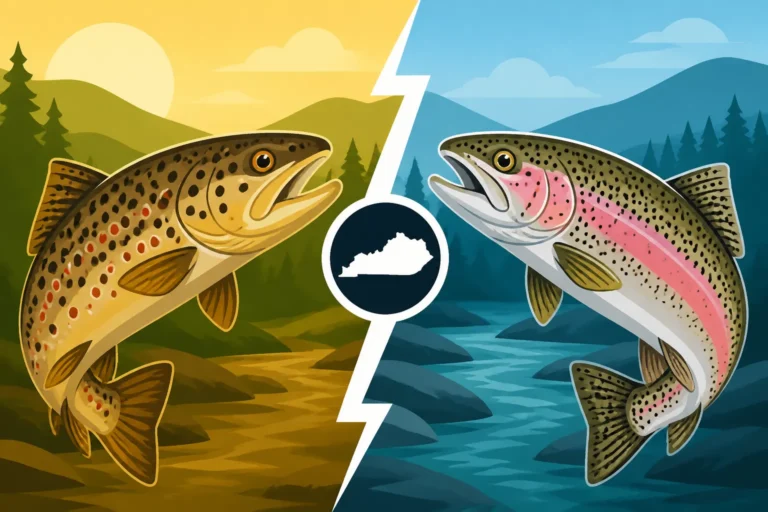
- Rainbow Trout: These are the workhorse of Kentucky's trout program, stocked regularly in various tailwaters below dams and in some specific lakes. They provide fantastic angling opportunities year-round in certain areas and seasonally in others.
- Brown Trout: Less common than rainbows, but brown trout are present in some colder stream sections, particularly those with good cover and invertebrate populations. They are much harder to catch and can grow quite large.
- Brook Trout: These beautiful, native (or sometimes stocked in specific restoration areas) trout are found in the highest elevation, coldest, most pristine headwater streams in Eastern Kentucky. They are small but incredibly rewarding to catch.
So, while the phrase "Lake Trout" might pop up in a comprehensive list of all possible trout species that could theoretically exist somewhere, it doesn't reflect a viable or targeted fishery in Kentucky. The practical focus for trout anglers here will always be on rainbows, browns, and brook trout.
Kentucky's Premier Trout Fishing Opportunities
Okay, so Lake Trout might be a bust, but don't hang up your waders just yet! Kentucky offers some fantastic trout fishing for other species, particularly Rainbow Trout, that can provide thrilling days on the water. These fisheries are managed specifically to thrive in the available cold-water habitats.
Lake Cumberland: A Top Trout Destination
If you're looking for prime trout action in Kentucky, Lake Cumberland: Kentucky's Best All-Around Fishing Lake should be at the top of your list. The deep, cold waters of Lake Cumberland, especially in its lower reaches and the tailwater below Wolf Creek Dam, create an ideal environment for stocked Rainbow and Brown Trout. This area is so good that it's often considered one of the best trout fisheries in the Southeast.
- Wolf Creek Dam Tailwater: This stretch of the Cumberland River below the dam is a designated trophy trout water. The dam releases cold, oxygenated water from the bottom of the lake, creating consistent cold-water flows year-round. This means the trout here not only survive but can grow to impressive sizes. Anglers can enjoy both wade fishing and drift fishing from boats. You'll find a mix of rainbows and browns, with browns often being the larger, more elusive quarry. This area is a true gem and requires a Kentucky Trout Permit Cost and Requirements in addition to your regular fishing license.
- Lake Cumberland Itself: While the tailwater is the superstar, the main lake also holds trout, particularly in the deeper, cooler sections during the colder months. KDFWR stocks Rainbow Trout directly into the lake, providing exciting opportunities, especially for those targeting them with downriggers or trolling methods. You can learn more about specific spots and times in Kentucky's Lake Cumberland Trout Season Explained.
Other Notable Trout Waters
Beyond Lake Cumberland, Kentucky has several other great places to catch trout, primarily Rainbows, that are much more accessible than hypothetical Lake Trout.
- Tailwaters Below Other Dams: Several other dams across the state release cold water, creating smaller but still productive trout fisheries. Examples include the Dix River below Herrington Lake, and parts of the Cumberland River further downstream from Wolf Creek Dam. These spots often get regular stockings and can be excellent for a day trip.
- Small Stocked Streams and Lakes: Many smaller streams and ponds throughout Kentucky receive periodic stockings of Rainbow Trout, especially in the spring and fall. These are often "put-and-take" fisheries, meaning the fish are stocked for immediate angling pleasure rather than long-term survival. These spots are fantastic for beginners, kids, or anyone looking for a quick and easy trout fix. Always check the KDFWR stocking schedule for current information. Some state parks even have dedicated fishing opportunities for trout, making it a perfect family outing.
Essential Gear for Kentucky Trout Fishing
Since Lake Trout aren't really on the menu, let's focus on the gear that will help you succeed with Kentucky's abundant Rainbow and Brown Trout. You don't need heavy deep-sea gear; finesse and light tackle are the keys.
Rods, Reels, and Line
For Kentucky's trout, you'll want light-action gear that allows for delicate presentations and maximizes the fun of fighting these feisty fish.
- Rods: An ultralight or light-action spinning rod, typically 5 to 7 feet long, is perfect. Look for something with a sensitive tip to detect subtle bites. A rod with a fast or moderate-fast action will give you good casting distance for light lures and enough backbone to control a hooked fish. You can find a fantastic selection of these on Amazon, often bundled as combos perfect for new anglers.
- Reels: Pair your rod with a small spinning reel (e.g., 1000 or 2000 series). It should have a smooth drag system, which is crucial for preventing line breaks when a spirited trout makes a run. A good quality reel will make all the difference in your enjoyment.
- Line: Opt for light line – 4 to 6-pound monofilament or fluorocarbon is ideal. Monofilament offers good knot strength and some stretch, while fluorocarbon is nearly invisible underwater and has less stretch for better sensitivity. Many experienced trout anglers will use a main line of light braid with a fluorocarbon leader for maximum sensitivity and strength.
Baits and Lures
Trout can be particular, but having a variety of baits and lures in your tackle box will cover most situations.
- Live Bait: PowerBait (in various colors and forms like dough or nuggets) is a consistent killer for stocked Rainbow Trout. Corn, small worms (like red wigglers), and minnows (where legal and appropriate size) are also highly effective. Always check local regulations regarding bait use.
- Artificial Lures: Small inline spinners (such as Mepps or Rooster Tail), tiny spoons (like Kastmasters or Phoebe spoons), and micro-jigs (1/32 to 1/16 oz) are incredibly effective. Vary your retrieve speed and depth until you find what the fish are responding to. Don't be afraid to experiment with different colors, especially chartreuse, white, and natural tones. You can build a comprehensive trout lure collection quite easily online, including many popular brands found on Amazon.
- Flies: If you're into fly fishing, a whole world opens up. Standard trout patterns like Woolly Buggers, Pheasant Tails, Prince Nymphs, and various dry flies will work depending on the hatch. The Cumberland River tailwater below Wolf Creek Dam is a fantastic place to hone your fly-fishing skills.
Regulations and Conservation for Kentucky Trout
Understanding the rules and practicing responsible angling are paramount to preserving Kentucky's excellent trout fisheries for future generations. It's not just about what you catch, but how you treat the resource.
License and Permit Requirements
First things first, you'll need a current Kentucky fishing license. Whether you're a resident or non-resident, annual or short-term, make sure you have it before you hit the water. You can find comprehensive details in Kentucky Fishing License Guide or How to Get a Fishing License in Kentucky.
For trout, there's an additional requirement: a Kentucky Trout Permit. This permit is mandatory for anyone fishing for trout, regardless of age or residency, with very few exceptions (like during the Kentucky Free Fishing Weekend Guide, where all license requirements are waived for two days). This permit helps fund the state's trout stocking and management programs. Don't skip it! Information on costs and how to obtain one can be found in Kentucky Trout Permit Cost and Requirements. You can easily add this permit when you purchase your main fishing license online or at a local vendor.
Catch Limits and Size Restrictions
Like all game fish, trout in Kentucky have specific bag and size limits designed to protect the population and ensure sustainable angling. These limits can vary by water body, so it's absolutely critical to check the current KDFWR fishing regulations before you go.
As a general guideline:
- Rainbow Trout: Often have a statewide daily limit, but specific waters may have lower limits or slot limits.
- Brown Trout: Often have lower daily limits and sometimes higher minimum size limits, especially in trophy sections of the Cumberland River.
- Brook Trout: In areas where they are present (often small, remote streams), they may have very restrictive limits or be designated catch-and-release only.
The KDFWR website and printed regulation guides are your best friends here. Don't rely on old information or hearsay. Ignorance of the law is not a defense, and a conservation officer won't hesitate to issue a citation for violations. You can find general information on limits in Statewide Bag and Size Limits by Fish Species, but always double-check for site-specific rules!
Catch and Release Best Practices
Many anglers, especially those targeting larger Brown Trout or fishing in sensitive areas, practice catch and release. If you plan to release fish, it's vital to handle them properly to maximize their survival chances.
- Minimize Handling: Keep the fish in the water as much as possible. Wet your hands before touching the fish to protect its slime coat.
- Use Barbless Hooks: Crushing the barb on your hooks or using barbless hooks makes removal much easier and less damaging.
- Quick Release: Remove the hook quickly and gently. If the fish is deeply hooked, cut the line as close to the hook as possible rather than tearing the hook out, as this often causes more internal damage.
- Revive Gently: Hold the fish upright in the water, facing into a gentle current, until it can swim away strongly on its own. Don't just toss it back; it needs time to recover.
- Photography: If you take photos, do it quickly with the fish mostly in the water. Avoid holding it horizontally by the jaw or vertically by the tail, as this can damage internal organs or the spine.
Practicing these responsible techniques ensures that those beautiful trout can continue to grow and provide enjoyment for other anglers down the line.
Managing Expectations and Enjoying Kentucky Fishing
While the news about Lake Trout might be a bit of a letdown for some, it's all about managing expectations and focusing on the incredible opportunities that do exist right here in Kentucky. The Bluegrass State is truly an angler's paradise, just not for Lake Trout.
Embrace the Local Species
Instead of dreaming of Lake Trout, embrace the fantastic fishing for species that genuinely thrive in Kentucky's waters. Our state is renowned for its:
- Largemouth and Smallmouth Bass: Found in nearly every lake and river, offering incredible sport. Check out Largemouth Bass Fishing in Kentucky: The Complete Guide or Smallmouth Bass Fishing in Kentucky: The Complete Guide for more info.
- Crappie: Abundant in lakes like Kentucky Lake and Lake Barkley, providing delicious table fare and exciting spring action. Kentucky Crappie Fishing: Spring Spawn Run Guide is a great resource.
- Catfish: The Ohio River and our major reservoirs are home to trophy Channel, Blue, and Flathead Catfish. Kentucky Catfish Fishing: Ohio River and Kentucky Lake Guide will get you started.
- Walleye, Sauger, and Saugeye: Especially in the Ohio River and large reservoirs like Lake Cumberland and Lake Barkley, these offer a different challenge and excellent eating quality. Read Walleye, Sauger and Saugeye Fishing in Kentucky to learn more.
Each of these species offers its own unique challenges and rewards, and Kentucky has world-class fisheries for them. You'll find a community of passionate anglers dedicated to catching these local favorites.
Explore New Techniques and Locations
The absence of Lake Trout fishing opens the door to exploring the rich diversity of Kentucky's angling scene. Perhaps you've always focused on one type of fishing; now's your chance to try something new.
- Bank Fishing: Many excellent spots are accessible from shore. Bank Fishing Techniques for Beginners can help you get started.
- Kayak Fishing: Our smaller lakes and rivers are perfect for kayak anglers. Consider Best Fishing Kayaks for Kentucky Lakes and Rivers.
- Fly Fishing: The Cumberland River tailwater is a fantastic place to learn or practice fly fishing for Rainbow and Brown Trout.
- Jug Fishing or Trotlining: For catfish, these traditional methods can be incredibly productive and fun, especially with friends.
Don't let the lack of one specific species overshadow the incredible variety and quality of fishing that Kentucky proudly offers. With a little research and an open mind, you'll find countless memorable days on the water, targeting fish that are right at home in our beautiful state.
| Trout Species in Kentucky | Primary Habitat | Best Fishing Locations | General Size | Special Notes |
|---|---|---|---|---|
| Rainbow Trout | Tailwaters, stocked lakes, cool streams | Cumberland River (Wolf Creek Dam), Lake Cumberland, various stocked ponds | 10-20+ inches | Most common stocked trout, provide excellent "put-and-take" and trophy fisheries. |
| Brown Trout | Cold tailwaters, larger cold streams | Cumberland River (Wolf Creek Dam) | 12-25+ inches | More elusive, can grow to trophy size, often prefer larger meals. |
| Brook Trout | Highest elevation, coldest headwater streams | Remote Eastern KY streams | 6-12 inches | Native or wild-reproducing in very specific habitats, often catch-and-release due to conservation. |
| Lake Trout | Deep, cold, oxygen-rich northern lakes | Virtually non-existent in Kentucky | Large | Not found in Kentucky's climate; primary habitat is in northern glacial lakes. |
Disclaimer
This article is for general informational purposes only and does not constitute professional advice. Laws, prices and regulations vary by location and change over time. Consult a qualified professional for guidance on your specific situation.