Kentucky Free Fishing Weekend Guide
Few things are as frustrating as planning a relaxing fishing trip, only to realize you’re unsure about the tangled web of license requirements or whether you’ve got all your ducks in a row with the regulations. It can honestly feel like a barrier to enjoying Kentucky's incredible waterways. But what if I told you there's a special time each year when those worries melt away, at least for a couple of days? This comprehensive guide will walk you through everything you need to know about Kentucky’s Free Fishing Weekend, making sure you understand who can participate, what you can catch, and how to make the most of this fantastic opportunity.
What Exactly is Kentucky's Free Fishing Weekend?
Imagine a weekend where the only thing you need to worry about is whether the fish are biting, not whether your license is up to date or if you remembered to purchase one. That's the essence of Kentucky's Free Fishing Weekend, a truly special couple of days dedicated to making fishing accessible to everyone, no strings (or permits) attached.
Understanding the Core Concept
At its heart, the Kentucky Free Fishing Weekend is a wonderful initiative by the Kentucky Department of Fish and Wildlife Resources (KDFWR) designed to encourage people of all ages to experience the joy of fishing without the initial hurdle of purchasing a license. It's a fantastic entry point for newcomers, a stress-free opportunity for lapsed anglers to get back on the water, and a perfect chance for families to create lasting memories together. For these designated days, both residents and non-residents can cast a line in any public waters statewide without needing to buy a Kentucky fishing license. It's truly a no-brainer way to enjoy the abundant natural beauty and incredible fisheries Kentucky has to offer. This spirit of openness makes it an ideal time to introduce a friend or family member to the sport who might otherwise hesitate due to the perceived cost or complexity of getting started.
When Does the Free Fishing Weekend Occur?
Mark your calendars, because this special event is something you absolutely don't want to miss! The Kentucky Free Fishing Weekend is always held on the first weekend of June, which means it usually falls on a Saturday and Sunday. For example, the dates for Kentucky Free Fishing Weekend 2026 Dates are June 6-7, 2026. This timing is incredibly strategic, landing right as summer begins to blossom, offering generally pleasant weather conditions perfect for spending time outdoors. The long days of early June provide ample daylight hours for fishing, from the first light of dawn until the evening bite. It's a consistent annual event, so you can always plan ahead, knowing exactly when this opportunity will roll around each year. While the specific calendar dates shift slightly, the "first weekend of June" rule remains steadfast.
The Goal Behind the Initiative
The primary goal of the Free Fishing Weekend is multifaceted, extending far beyond simply letting people fish for free. The KDFWR sees it as a vital tool for conservation and engagement. Firstly, it aims to introduce new generations to fishing, fostering an appreciation for Kentucky's aquatic ecosystems and wildlife. When kids and adults connect with nature through fishing, they're more likely to become advocates for its protection. Secondly, it's about breaking down barriers. For some, the cost or perceived complexity of getting a license can be a deterrent, and this weekend eliminates that, making fishing accessible to everyone regardless of their economic situation or prior experience. Lastly, it promotes outdoor recreation and healthy lifestyles. Getting out on the water, breathing fresh air, and engaging in a peaceful activity like fishing has immense benefits for physical and mental well-being. It's a community-building event, encouraging shared experiences and a love for the outdoors.
Who Can Participate in Kentucky's Free Fishing Weekend?
One of the most appealing aspects of the Free Fishing Weekend is its inclusivity. It truly opens the doors for almost anyone to enjoy Kentucky's waters without a license, but there are a few nuances to understand to ensure you're fully compliant and making the most of the opportunity.
Eligibility for Residents and Non-Residents
This is where the Free Fishing Weekend shines brightly: it's not just for Kentuckians! Both residents and non-residents are welcome to participate without a fishing license. This is a huge benefit, especially for folks who live just across the border in states like Ohio, Indiana, or Tennessee, who might be visiting family or looking for a new fishing adventure. For non-residents, who typically face higher license fees, this is an exceptional chance to explore Kentucky's renowned fisheries like Kentucky Lake or Lake Cumberland without the usual cost. The rules around Kentucky Free Fishing Weekend Eligibility for All Anglers are refreshingly simple: if you're fishing in Kentucky's public waters during the designated dates, you're good to go without a license. This broad eligibility truly makes it a statewide celebration of fishing, inviting everyone to partake.
Special Considerations for Youth and Seniors
While the Free Fishing Weekend generally removes the license requirement for everyone, it’s worth noting that youth in Kentucky already enjoy significant freedom when it comes to fishing licenses. Children under the age of 16 do not need a fishing license in Kentucky at any time of the year. So, for the younger anglers, the Free Fishing Weekend simply reinforces an existing privilege, but it’s still a fantastic time for them to fish alongside adults who would normally need a license. For seniors, if they don't already possess one of Kentucky's excellent senior lifetime or annual sportsman's licenses, this weekend offers a chance to fish without needing to purchase a temporary option. This aspect is covered in detail in the Kentucky Free Fishing Weekend Rules for Kids and Seniors guide. It's a great opportunity for grandparents to introduce their grandkids to the sport, creating multi-generational memories without any paperwork headaches.
What About Private Ponds and Reciprocal Waters?
This is a crucial point that often leads to confusion. While the Free Fishing Weekend covers public waters statewide, it's important to understand the distinctions. Generally, you do not need a fishing license to fish in private ponds that you own or have permission to fish on, regardless of the Free Fishing Weekend. This applies year-round. So, if you're casting lines in your buddy's farm pond, you wouldn't need a license anyway. The Free Fishing Weekend specifically waives the license requirement for places where you would normally need one, like public lakes, rivers, and streams.
Reciprocal waters are another story entirely. These are bodies of water that form a border between Kentucky and another state, such as parts of the Ohio River or Dale Hollow Lake. While Kentucky's Free Fishing Weekend waives the Kentucky license requirement, it does not waive the license requirements of the neighboring state. So, if you're fishing the Ohio River from the Kentucky bank during Free Fishing Weekend, you're covered by Kentucky law. However, if you venture into Ohio waters or launch from an Ohio ramp, you would still need an Ohio fishing license if you're an Ohio resident or a Kentucky resident without an Ohio license. Always check the specific reciprocity rules for border waters. For example, if you're an Indiana angler, it’s important to understand the nuances of Indiana and Illinois Anglers Fishing Kentucky Waters before you head out. The best practice is always to verify which state's jurisdiction applies to your exact fishing location on shared waters.
What You Can Catch During Free Fishing Weekend
Just because you don't need a license doesn't mean it's a free-for-all! All other fishing regulations, including bag limits and size restrictions, remain firmly in place to protect the fish populations and ensure sustainable fishing for the future. Understanding these limits is just as important as knowing you don't need a license.
Common Game Fish Available
During the Free Fishing Weekend, you're welcome to target any of the amazing fish species that call Kentucky's waters home, assuming they are in season and legal to catch. Kentucky boasts an incredible diversity of fish, making it a fantastic destination for anglers. You could be reeling in a feisty largemouth bass from a weed line, pulling up a panfish like a bluegill or crappie for a family dinner, or battling a big catfish on the Ohio River. Other popular species include smallmouth bass, striped bass, sauger, walleye, and various sunfish.
It’s an excellent opportunity to try different types of fishing, too. Perhaps you've always wanted to try casting for crappie in the shallow brush or dropping a line for catfish in a deep hole. The Free Fishing Weekend is your chance to experiment and discover new favorites. Just remember that what's biting best will depend on the specific lake or river you choose, as well as the time of day and prevailing weather conditions. For some ideas on where to go, check out our guide on Best Fishing Spots in Kentucky.
Statewide Limits Still Apply
This is a critical point that often gets overlooked: the absence of a license requirement does not mean the absence of regulations. All statewide bag and size limits for specific fish species remain in effect. For instance, if the statewide bass limit is 12 inches and six fish per day, you must still adhere to that. The Kentucky Department of Fish and Wildlife Resources enforces these rules year-round to manage fish populations and prevent overfishing. Ignoring them, even during Free Fishing Weekend, can lead to citations and penalties, which is certainly not the memory you want to make.
So, before you head out, do a quick check of the current Kentucky Fishing Regulations Explained, specifically focusing on the species you plan to target. Knowing your limits, quite literally, will ensure a legal and enjoyable outing. For example, you’ll find that the Kentucky Statewide Bass Limit: 12 Inches, 6 Fish a Day is a crucial piece of information for bass anglers. It’s always better to be safe than sorry; ignorance of the law is never an excuse in the eyes of a game warden.
Lake-Specific Rules to Double-Check
To add another layer to the regulations, some lakes and water bodies in Kentucky have specific site-specific regulations that supersede the statewide rules. These exceptions are put in place by KDFWR biologists to manage particular fisheries more effectively, often to protect unique populations or to enhance certain species' growth. For instance, while the statewide crappie daily limit is 20 fish with no size minimum, you might find that Barren River Lake Crappie Size Limit in Kentucky is 10 inches. Similarly, while the statewide bass limit is 12 inches, Lake Barkley Bass Size Limit Exception in Kentucky requires bass to be 15 inches to keep.
It's absolutely essential to consult the Kentucky Fishing Regulations before fishing any new body of water, even during Free Fishing Weekend. A quick search on the KDFWR website or checking their printed guide will give you all the details you need. Don't assume that statewide rules apply everywhere. These lake-specific nuances are detailed in the broader Kentucky Fishing Rules by Lake and Water guide, which every serious angler should review. This due diligence ensures you're fishing legally and contributing to responsible resource management.
Planning Your Free Fishing Weekend Adventure
With the license hurdle out of the way, the Free Fishing Weekend is a fantastic time to plan a memorable outing. Whether you're a seasoned angler or a complete novice, a little preparation can go a long way in ensuring a successful and enjoyable experience.
Choosing the Right Spot
Kentucky is blessed with an abundance of diverse fishing locations, from vast reservoirs like Kentucky Lake and Lake Cumberland to winding rivers like the Ohio and serene smaller lakes and ponds within state parks. For beginners or families with young children, a stocked pond or a lake with easy bank access might be ideal. Places like many Kentucky State Parks often have designated fishing piers, picnic areas, and restrooms, making them very family-friendly. For those looking for a bit more adventure, a larger lake offers opportunities for targeting trophy fish or exploring different types of habitat.
Consider what kind of fish you want to target. If you're hoping for crappie, look for lakes known for their crappie populations and brush piles. If bass are your quarry, reservoirs with plenty of cover like standing timber or submerged points would be a good bet. A good starting point is our guide on Best Family-Friendly Fishing Spots on Barren River Lake, Kentucky which offers excellent suggestions for various species and angler types. Don't be afraid to ask local bait shop owners for advice; they're often a treasure trove of information about current conditions and hot spots.
Essential Gear to Pack
Even though it’s free fishing, you still need some basic gear! You don't need to break the bank to get started, especially if you're just trying it out. A simple spinning rod and reel combo, some line, hooks, bobbers, and a few weights are usually enough to catch panfish or smaller bass. Live bait like worms or crickets are universally appealing and easy for beginners to use. If you’re getting serious, you can find a decent starter kit on Amazon for a very reasonable price. Don't forget a small tackle box to keep everything organized.
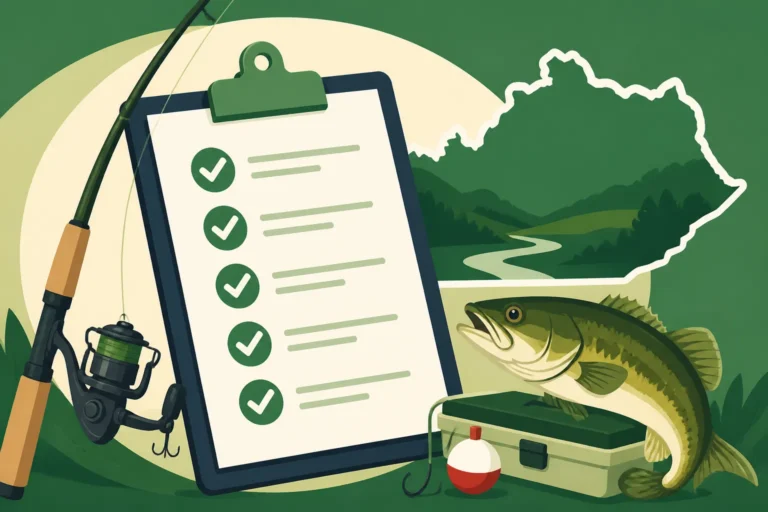
Beyond the fishing essentials, remember to pack for comfort and safety. Sunscreen, hats, sunglasses, and insect repellent are crucial for a day outdoors. Bring plenty of water and snacks, especially if you'll be out for several hours. A small cooler to keep your catches fresh (if you plan to keep any within legal limits) is also a good idea. A pair of pliers for removing hooks and a small towel for handling fish can also be very useful. If you’re fishing from the bank, a folding chair can make the wait much more comfortable. For comprehensive advice on what to bring, check out our Printable Checklist of Fishing Rules to Bring on Your Trip.
Activities for the Whole Family
The Free Fishing Weekend is tailor-made for family outings. It's a chance to unplug, enjoy nature, and bond over a shared activity. Beyond just fishing, you can turn it into a full day (or weekend) of outdoor fun. Many public fishing spots are located within state parks or recreation areas that offer hiking trails, playgrounds, and picnic facilities. Pack a lunch, bring a frisbee, or even a pair of binoculars for birdwatching while you wait for a bite.
Teach the kids how to identify different fish species, explain the importance of catch and release, or show them how to tie a simple knot. Even if the fish aren't biting, the experience of being outdoors together is invaluable. Consider bringing along a camera to capture those precious moments, especially when someone lands their first fish. Making it about the overall experience, rather than just the number of fish caught, helps foster a lifelong love for the outdoors and fishing in particular. Our How to Plan a Trip for Kentucky Free Fishing Weekend article offers more specific ideas for family-friendly activities.
Comparing Free Fishing Weekend to a 1-Day License
While the Free Fishing Weekend is an incredible opportunity, it's a short window. Understanding how it compares to purchasing a 1-day fishing license can help you decide if it's the right option for your angling needs, or if a longer-term license is a better investment.
Cost Savings and Convenience
The most obvious benefit of the Free Fishing Weekend is the cost savings. A Kentucky Resident 1-Day Fishing License Costs $7.40, and an annual resident license is $24.31. For non-residents, a 1-day license costs $15.86, and an annual is $58.14. During the Free Fishing Weekend, this cost is completely waived for two full days of fishing. This makes it a fantastic, low-commitment way to test the waters, literally, without any financial outlay for the license itself. It's also incredibly convenient – no need to visit a vendor, navigate an online portal, or worry about carrying your license with you. You simply show up and fish.
This convenience is particularly appealing for spur-of-the-moment trips or for introducing someone new to the sport who might not want to commit to even a short-term license right away. It lowers the barrier to entry significantly and makes fishing feel truly accessible to everyone. For families, these savings can add up, freeing up funds for bait, snacks, or even a new rod for one of the kids.
Limitations of the Free Weekend
While amazing, the Free Fishing Weekend does come with some limitations. The biggest one is, of course, its duration. It's only two days, and if those dates don't align with your schedule, you're out of luck. Also, as mentioned, it doesn't waive all regulations. Special permits, like a trout permit, are still required if you plan to fish in designated trout waters, even during Free Fishing Weekend. Why a Trout Permit Costs Extra on Top of Your Fishing License is a good read if you're planning on fishing for trout. So, if you're headed to a specific stream known for its trout, you'll still need that additional endorsement.
Furthermore, while it's great for casual fishing, if you're a serious angler who typically fishes multiple times a year, the two free days might not be enough to satisfy your passion. You'll quickly find yourself needing a regular license for the rest of the year. It's a taste, a delightful sample, but not a full meal for the dedicated fisherman or woman.
When a 1-Day License Makes More Sense
So, when does shelling out a few dollars for a 1-day license make more sense than waiting for the free weekend? Primarily, if your fishing trip falls outside the first weekend of June, a 1-day license is your go-to option for a short trip. It provides the same legal access to public waters as an annual license, but for a significantly reduced cost. This is ideal for vacationers, out-of-state visitors on a short trip, or residents who only plan to fish once or twice a year.
Consider the scenario where you're visiting Kentucky in July and want to fish for a single day. The Free Fishing Weekend has long passed, so a Kentucky Resident 1-Day Fishing License Costs $7.40 is a much more economical choice than buying an annual license if you won't use it again. In fact, if you fish two or three times a year, sometimes the 1-day license can still beat the annual cost, as highlighted in the article $7.40 vs $24.31: When a 1-Day License Beats the Annual. Ultimately, the best choice depends on how often and when you plan to fish throughout the Kentucky fishing license year.
Here's a quick comparison to help visualize the difference:
| Feature | Kentucky Free Fishing Weekend | Kentucky 1-Day Fishing License |
|---|---|---|
| Cost | Free | $7.40 (Resident) / $15.86 (Non-Resident) |
| Duration | First full weekend of June (Sat & Sun) | Valid for 24 hours from selected start time |
| Eligibility | All residents and non-residents | All residents and non-residents |
| Trout Permit | Still required for trout waters | Still required for trout waters |
| Bag/Size Limits | Still apply | Still apply |
| Convenience | No purchase necessary, no paperwork | Easy online/in-person purchase, digital proof |
| Flexibility | Limited to specific dates | Choose any 24-hour period you wish |
| Best For | Trying fishing for first time, family outing | Short trips outside Free Weekend, occasional angler |
Beyond the Free Weekend: Encouraging Future Anglers
The Kentucky Free Fishing Weekend is often just the beginning for many. It's a spark that ignites a lifelong passion for fishing. If you or your family enjoyed the experience, there are plenty of pathways to continue your angling adventures throughout the year.
How to Get a Regular Kentucky Fishing License
So, you had a blast during the free weekend, and now you're hooked? Fantastic! Getting a regular Kentucky fishing license is straightforward and keeps you legal on the water for the rest of the year. You have several convenient options. The easiest way for many is to purchase one online directly through the KDFWR website. It’s a quick process where you provide some basic personal information, pay with a credit card, and you can usually print your license or save a digital copy to your phone instantly. This is covered in our detailed guide on How to Buy a Kentucky Fishing License Online.
Alternatively, you can visit a licensed vendor in person, such as a local bait and tackle shop, sporting goods store like Bass Pro Shops or Cabela’s, or even some county clerk’s offices. They can process your license on the spot. Remember, the Kentucky fishing license year runs from March 1st to the last day of February each year, so if you buy one in June, it's valid until the following February 28th (or 29th in a leap year). The annual cost for a resident fishing license is currently $24.31.
Exploring Other License Options
Kentucky offers a variety of license types to suit different needs. If you're a non-resident who plans to fish more than just one or two days, a Kentucky Nonresident Annual Fishing License Costs $58.14, which might be more economical than multiple 1-day licenses. There are also specific options for seniors, like the Kentucky Senior Lifetime Sportsman's License or an annual senior license, which are excellent value for qualifying individuals. For those who also enjoy hunting, the annual or lifetime sportsman's license bundles both hunting and fishing privileges, often including additional permits like a statewide deer or turkey permit, making it a comprehensive and cost-effective choice.
If you plan on targeting trout, remember that you’ll also need to purchase a Kentucky Trout Permit, which costs an additional $10.57 for everyone, regardless of residency or age. This is often an add-on to your base fishing license. Understanding these different Kentucky Fishing License Costs and Types can help you choose the most appropriate and economical option for your fishing habits throughout the year.
Finding Mentors and Local Resources
Continuing your fishing journey is much easier and more enjoyable with a little guidance. Don't be afraid to seek out mentors or connect with local fishing communities. Local bait and tackle shops are invaluable resources – the folks working there are usually passionate anglers themselves and can offer advice on local hotspots, what baits are working, and even tips on techniques. Fishing clubs and forums, both online and in person, are also great places to learn, share experiences, and make new fishing buddies.
The KDFWR website is a treasure trove of information, offering fishing reports, stocking schedules, and educational materials. Many state parks and conservation groups also host fishing clinics and events, which are perfect for refining your skills or learning new ones. For beginners, getting hands-on advice can be transformative. Check out resources on Amazon too for beginner-friendly fishing books or gear guides. These communities and resources can provide ongoing support and knowledge, transforming a one-time Free Fishing Weekend participant into a lifelong angler.
Common Questions and Misconceptions
Despite its popularity, the Kentucky Free Fishing Weekend often generates a few recurring questions and misunderstandings. Clearing these up will ensure your experience is as smooth and enjoyable as possible.
Do Trout Permits Still Apply?
This is one of the most common points of confusion, and the answer is a resounding yes, you still need a trout permit even during the Free Fishing Weekend. The Free Fishing Weekend waives the general fishing license requirement, but specialized permits, like the Kentucky Trout Permit, are still necessary if you plan to fish in waters designated for trout, or to keep trout that you catch.
Kentucky manages its trout fisheries carefully, and the revenue from trout permits goes directly back into stocking and managing these specific waters. So, if you're heading to a lake like Lake Cumberland or a stream known for its rainbow, brown, or brook trout, make sure you've purchased your $10.57 trout permit. You can typically add this permit when you purchase your annual fishing license, or as a standalone item. For more details, refer to our Kentucky Trout Permit Guide. It's a small price to pay to ensure these beautiful cold-water fisheries remain vibrant.
What About Boating Regulations?
If you plan to fish from a boat during the Free Fishing Weekend, remember that all boating regulations remain fully in effect. The Free Fishing Weekend only pertains to the fishing license requirement. This means your boat must still be properly registered and titled, you must have all required safety equipment on board (including Coast Guard-approved life jackets for every occupant), and anyone operating a motorized vessel born after January 1, 1975, must still possess a Kentucky Safe Boating Certificate.
Game wardens and local law enforcement will still be patrolling the waterways, and they will check for compliance with boating safety laws. Having an expired registration, not enough life jackets, or lacking a fire extinguisher on board (if required for your vessel) can result in a fine. So, before you launch, double-check that your vessel is good to go. Our Kentucky Boat Registration Requirements Explained and Life Jacket Rules for Boats in Kentucky guides are excellent resources to ensure you're fully prepared and safe on the water.
Game Warden Checks During the Free Weekend
It's a common misconception that game wardens "take a break" or are less vigilant during the Free Fishing Weekend. This couldn't be further from the truth. In fact, due to the increased number of anglers on the water, you might even encounter wardens more frequently during this period. Their role is to ensure that all other fishing and boating regulations are being followed, promoting a safe and fair environment for everyone.
They'll be checking for adherence to bag limits, size restrictions, and the use of proper gear for paddlefish snagging, for example. If you're fishing in trout waters, they will check for a valid trout permit. And, of course, all boating safety regulations will be enforced. If a game warden approaches you, be courteous, cooperative, and have any required permits (like a trout permit) or your ID readily available. It's a quick and simple process, and it helps them protect Kentucky's natural resources. For more on this, read about Game Warden Enforcement and License Checks While Fishing. Remember, the goal is always conservation and safety, and these checks are a vital part of that mission.
Disclaimer
Please note that fishing regulations, license requirements, and other related laws are subject to change. While we strive to provide the most accurate and up-to-date information, it is always the angler's responsibility to verify current regulations with the Kentucky Department of Fish and Wildlife Resources (KDFWR) before heading out. This guide is for informational purposes only and should not be considered legal advice.