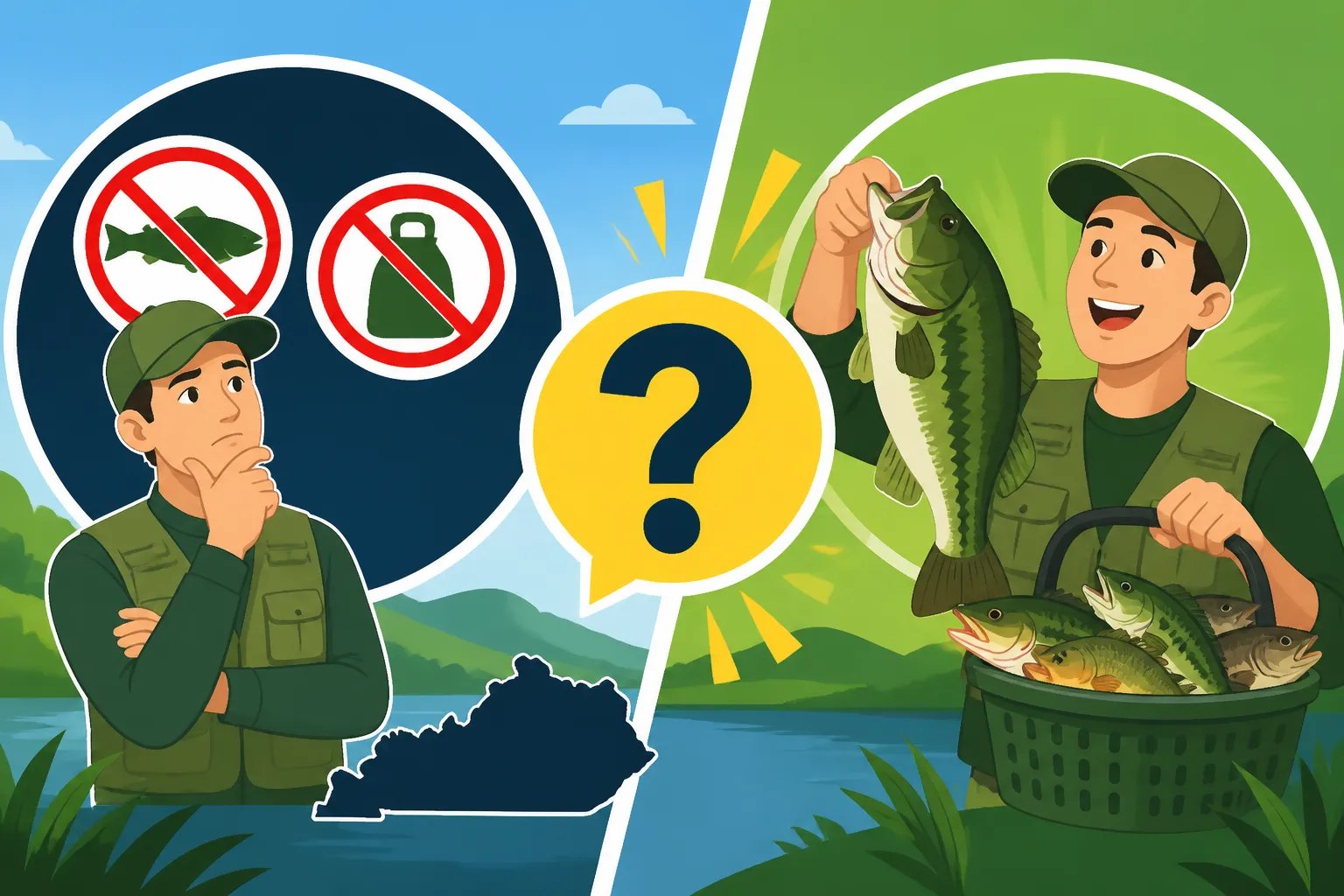
Does Free Fishing Weekend Waive Size and Bag Limits?
Every year, a buzz ripples through the Kentucky angling community as Free Fishing Weekend approaches. It’s a fantastic opportunity for folks to introduce newcomers to the joys of fishing or simply enjoy a couple of days on the water without the usual permit expenses. However, there's a really common, and frankly, pretty crucial misconception that can lead to some big headaches: many anglers wonder if "free fishing" means all the other rules, particularly those important size and bag limits, also get put on hold. Let's clear the waters on this right away – while you can indeed skip buying a Kentucky Fishing License Guide during this special event, almost every other regulation remains firmly in place.
Understanding Kentucky's Free Fishing Weekend Rules
It's easy to see why people might get confused. The name "Free Fishing Weekend" sounds like a blanket waiver for everything, doesn't it? But in reality, it's a specific, time-limited event focused solely on the basic fishing license requirement. It's truly a gift to the community, encouraging participation and making fishing more accessible, but it's not a free-for-all.
What the Free Fishing Weekend Truly Waives
At its core, Kentucky's Free Fishing Weekend is all about dropping the requirement for a state fishing license. This means that for those specific two days, usually the first full weekend in June, anyone – resident or nonresident, young or old – can fish public waters across the Commonwealth without purchasing an annual or a 1-day license. It’s a wonderful initiative by the Kentucky Department of Fish and Wildlife Resources (KDFWR) to welcome new anglers and celebrate our state's rich fishing heritage. Imagine taking your kids or grandkids out for their very first fishing trip without the added step of buying licenses; it's designed to remove that initial barrier and make it super easy to get started. You can learn more about planning your trip in our dedicated Kentucky Free Fishing Weekend Guide.
This is a fantastic opportunity if you're just visiting or you've been on the fence about getting into fishing. You don't have to worry about the typical fees. You can just grab your gear, head to your favorite lake or stream, and enjoy the peace and quiet. For many families, it's become an annual tradition, a chance to bond outdoors and create lasting memories without an extra dent in the wallet. It's important to remember, though, that this specific waiver is the only major regulatory change for those two days.
What the Free Fishing Weekend Does NOT Waive
Here’s where a lot of people make a critical error, and it’s one that can unfortunately lead to fines and a ruined day on the water. While the fishing license is waived, virtually all other statewide and local fishing regulations remain fully in effect. This includes, but is not limited to:
- Size Limits: If a specific lake or river has a minimum (or maximum) length requirement for a particular species, you must adhere to it. For example, if bass in a certain lake have a 12-inch minimum size, you can't keep a bass shorter than that, even on Free Fishing Weekend.
- Daily Creel (Bag) Limits: Just because you don't need a license doesn't mean you can keep as many fish as you catch. The daily limit for each species, like 20 crappie or 6 bass, still applies. These limits are in place for a reason – to ensure sustainable populations for future generations of anglers.
- Trout Permits: If you’re fishing in designated trout waters or intending to harvest trout, you absolutely still need a Kentucky Trout Permit Guide, even during Free Fishing Weekend. This permit is separate from the general fishing license and supports trout stocking programs.
- Special Permits: Any other specific permits for particular species or unique fishing methods (like paddlefish snagging permits, where applicable) are also still required.
- Gear Restrictions: Regulations concerning what type of bait or tackle you can use in certain areas (e.g., artificial lures only in some trout streams) are still enforced.
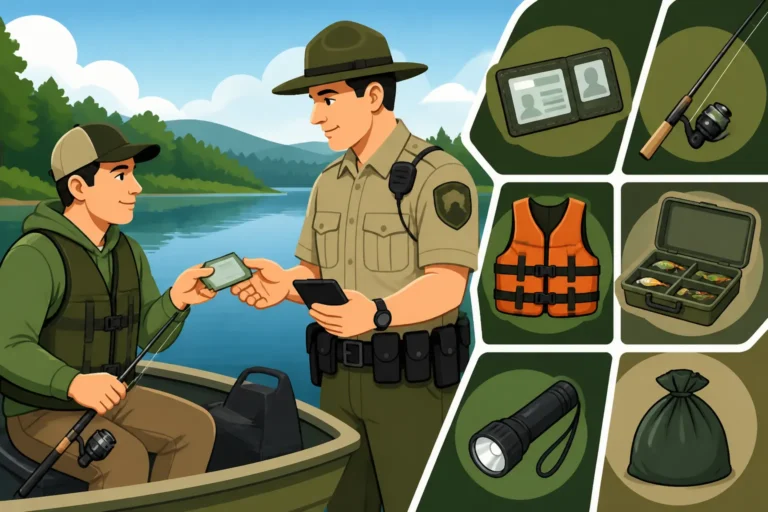
- Boating Regulations: All standard boating laws, including life jacket requirements, boat registration, and safety equipment, remain unchanged.
It’s easy to get caught up in the excitement, but overlooking these details can quickly turn a fun day into a frustrating one. Always treat Free Fishing Weekend as if you have your license, because all those other rules are still on the books.
The Important Role of Size and Bag Limits
These regulations aren't just arbitrary rules designed to make your life harder. They are fundamental tools used by wildlife management professionals to ensure the long-term health and sustainability of Kentucky’s precious fisheries. Without them, our lakes and rivers could quickly be overfished, leading to declining populations and poor fishing experiences for everyone.
Why Conservation Requires These Limits
Think about it: every fish taken out of the water is one less fish to reproduce and contribute to the population. Size and bag limits are carefully determined based on scientific research into fish biology, growth rates, spawning cycles, and the carrying capacity of specific bodies of water. For example, a minimum size limit on a fish like largemouth bass ensures that a good portion of the population has a chance to spawn at least once before being harvested. This helps maintain a healthy breeding stock. Similarly, maximum size limits, sometimes called "slot limits," are often implemented to protect the largest, most prolific breeders in a population, allowing them to continue contributing genetically strong offspring.
Conservation isn't just about protecting fish; it's about protecting the entire ecosystem and ensuring that fishing remains a viable and enjoyable activity for generations to come. It’s a balance between angler opportunity and ecological responsibility. When you adhere to these limits, you're not just following a rule; you're actively participating in the conservation efforts that keep Kentucky a fantastic place to fish. It’s an investment in the future of our waters.
Common Kentucky Fish Species and Their Limits
Kentucky has a wide variety of fish, and almost all of them have specific regulations governing their harvest. These limits can vary not only by species but also by lake or river system, reflecting the unique ecological conditions and fishing pressures of each water body. For a comprehensive overview, you can always check the Statewide Bag and Size Limits by Fish Species section on the KDFWR website.
Let's look at a few popular examples:
- Black Bass (Largemouth, Smallmouth, Spotted): Statewide, the daily creel limit is usually 6 fish in total, with a minimum size limit of 12 inches for largemouth and smallmouth bass. However, some lakes have specific exceptions. For instance, Lake Barkley Bass Size Limit Exception in Kentucky is a great example of where specific rules apply, often with a 15-inch minimum size for largemouth. This means you really have to be tuned into the specific body of water you're fishing.
- Crappie (Black and White): The Kentucky Crappie Daily Limit Rules typically allow for 20 crappie per angler statewide. While there's generally no statewide size limit, certain lakes like Barren River Lake might have a 10-inch minimum. Again, local rules can override statewide generalities.
- Catfish (Channel, Blue, Flathead): For channel and blue catfish, the daily limit is often 15 fish in total, with only one fish allowed over 25 inches. Flathead catfish often have a limit of 5 fish, with only one over 25 inches. These limits, detailed in our guide on Kentucky Catfish Daily Limit and Trophy Fish Rule, are designed to protect those big, trophy-sized cats that take many years to grow.
It's your responsibility as an angler to know these rules before you cast a line. A simple measuring tape, easily found on Amazon, is an indispensable tool in your tackle box to ensure you're always compliant. When you reel in a fish, measure it carefully. If it's too small or too large for a slot limit, release it gently and quickly.
Consequences of Ignoring Limits
Violating size or bag limits, even during Free Fishing Weekend, can lead to serious repercussions. Game wardens are on patrol year-round, and they are especially vigilant during popular events like Free Fishing Weekend. They are trained to identify violations, and just because you didn't buy a license doesn't mean they'll go easy on you for keeping undersized fish or exceeding your daily limit. You can read more about what happens if you get caught in our guide to Penalties for Fishing Without a License in Kentucky – the principles of enforcement are similar for other violations.
Fines for exceeding limits or keeping undersized fish can range from several dozen to several hundred dollars, depending on the severity and number of violations. In some cases, repeated or egregious violations can even lead to the suspension of your fishing privileges. It's simply not worth the risk. Beyond the legal consequences, there's an ethical component: by adhering to these rules, you're showing respect for the resource and for your fellow anglers who want to enjoy healthy fish populations for years to come.
Essential Regulations Beyond the Fishing License
While the license waiver is a big deal, it's really just one piece of a much larger puzzle when it comes to responsible fishing. There are numerous other regulations that remain steadfastly in effect, and understanding them is crucial for a smooth and legal outing.
The Specifics of Trout Permits
Many anglers get excited about trout fishing, and Kentucky offers some fantastic opportunities, especially in stocked waters like Lake Cumberland. However, even during Free Fishing Weekend, if your goal is to fish for or keep trout in designated public trout waters, you must still possess a valid Kentucky Trout Permit. This isn't just an optional add-on; it's a separate permit from your general fishing license. Why the distinction? Well, the funds generated from trout permit sales are directly funneled back into the KDFWR's trout stocking and management programs. This money helps pay for raising and transporting thousands of rainbow, brown, and brook trout that are released into our lakes and streams, providing those unique cold-water fishing experiences. Without those dedicated funds, the trout program simply wouldn't be able to operate at the level it does. So, if you plan to target trout, make sure you pick up that permit; it's a small investment that directly supports the fishery you're enjoying.
Site-Specific Rules and Exceptions
This is perhaps one of the most overlooked aspects of fishing regulations, and it can cause real confusion. While the KDFWR publishes general statewide regulations, many lakes, rivers, and even specific sections of water bodies have their own unique rules that supersede the statewide defaults. These "site-specific" regulations are put in place for very good reasons, often to address particular ecological concerns, unique fish populations, or specific management goals for that body of water.
For example, a lake might have a special bass slot limit to enhance its trophy fishery, or a particular river section might have "no live bait" rules to protect a fragile trout population. You can’t just assume the statewide bass limit applies to every single lake. This means that before you head out, especially to a new spot, it's absolutely vital to check the current KDFWR fishing guide for any site-specific regulations. These details are often listed in the printed regulation guide or easily found on the KDFWR website. Ignorance of these local rules is not an excuse if a game warden checks your catch. Our article on Kentucky Fishing Rules by Lake and Water is a great starting point for this research.
What About Private Ponds?
There's another common question that comes up, especially during Free Fishing Weekend: "Do I need a license (or follow limits) if I'm fishing on private property?" The general rule of thumb in Kentucky is that if you are fishing in a private pond wholly contained within private land, and the pond does not have any inlet or outlet connecting it to public waters, then a fishing license is typically not required. However, even in these private ponds, the KDFWR strongly encourages adherence to bag and size limits for sustainable management. Moreover, if that private pond does connect to a public stream or lake, then it's considered public water, and all statewide regulations, including license requirements (outside of Free Fishing Weekend) and all limits, would apply. The distinction between License-Required Waters Versus Private Ponds is important to understand to avoid any legal trouble. Always err on the side of caution and understand your specific fishing location.
Planning Your Free Fishing Weekend Trip Responsibly
Free Fishing Weekend is truly a gift, an invitation to experience the great outdoors and the thrill of the catch. To make the most of it, without any unwelcome surprises, a little responsible planning goes a long way.
How to Find Current Regulations
The single best resource for up-to-date Kentucky fishing regulations is the official Kentucky Department of Fish and Wildlife Resources (KDFWR) website. They publish an annual fishing and boating guide that details all statewide and site-specific rules, including size and bag limits, season dates, and special permits. You can usually download a PDF version or browse the regulations interactively. Additionally, most bait and tackle shops across the state will have physical copies of the regulations guide, and the staff there are often fantastic resources for local information. Don't be shy about asking questions! A quick search on your phone before you head out can save you a lot of trouble.
When you're packing your fishing gear, it's wise to include a printed copy of the regulations for the specific water body you'll be visiting, or at least have them easily accessible on your phone. Better yet, print out a simplified checklist of the key rules you need to follow for your target species and location. This way, if a Game Warden Enforcement and License Checks While Fishing occurs, you can confidently show you're prepared.
Essential Gear for Compliance
Beyond your rod, reel, and bait, there are a few pieces of equipment that are absolutely essential for ensuring you comply with all regulations:
- Measuring Tape or Stick: This is non-negotiable if you’re fishing for any species with a size limit. Keep it handy and use it every time you catch a fish that you intend to keep. Many anglers will attach a retractable measuring tape to their fishing vest or tackle box for quick access. You can find durable, waterproof options on Amazon or at any local sporting goods store.
- Fish Scale (Optional, but useful): While not required for most regulations, a scale can be helpful if you’re trying to track your catches for personal records or if you're targeting species with weight-based limits (though these are less common for general angling).
- Cooler and Ice: For keeping your legal catch fresh.
- Stringer or Livewell: If you plan to keep fish, ensure you have a way to keep them alive and healthy until you're ready to process them or transport them home. This is especially important for fish that might be released if they don't meet a slot limit later.
Teaching kids about proper measuring and adherence to limits from a young age instills a lifelong respect for conservation. Make it a fun part of the fishing experience, not a chore.
Ethical Angling Practices
Free Fishing Weekend is a wonderful opportunity to introduce new anglers to the sport. It's also a chance to set a good example. Beyond simply following the rules, consider these ethical practices:
- Catch and Release Best Practices: For any fish that doesn't meet the legal requirements, or if you simply choose to release fish, handle them with care. Wet your hands before touching them, support their body weight, remove hooks gently, and release them quickly.
- Leave No Trace: Pack out everything you pack in, including old fishing line, bait containers, and food wrappers. Keep our fishing spots clean and beautiful for everyone.
- Respect Other Anglers: Be mindful of personal space, especially on crowded banks or boat ramps. Share the water and be courteous.
- Report Violations: If you witness someone openly violating regulations and harming the resource, don't hesitate to contact the KDFWR. It helps protect the fishing opportunities for all of us.
By embracing both the letter and the spirit of the law, you contribute to a positive and sustainable fishing culture in Kentucky. So grab your gear, double-check those regulations, and enjoy a fantastic Free Fishing Weekend!
| Regulation Category | Waived During Free Fishing Weekend? | Still Required/Applicable? |
|---|---|---|
| Kentucky Fishing License | YES | No general fishing license needed for residents or non-residents. |
| Size Limits | NO | All statewide and site-specific minimum/maximum size limits still apply. |
| Daily Creel (Bag) Limits | NO | All statewide and site-specific daily catch limits still apply. |
| Kentucky Trout Permit | NO | Required if fishing for or keeping trout in designated trout waters. |
| Special Permits | NO | Any other special permits (e.g., paddlefish) are still required. |
| Gear Restrictions | NO | Rules on bait, tackle, and methods (e.g., artificial lures only) still apply. |
| Boating Regulations | NO | All life jacket, registration, and safety equipment rules remain in effect. |
| Private Pond Rules | Varies | Check if the pond is truly private and disconnected from public waters. |
Disclaimer
The information provided in this guide is for general informational purposes only and does not constitute legal advice. Fishing regulations can change frequently. Always consult the official Kentucky Department of Fish and Wildlife Resources (KDFWR) website or their latest annual fishing guide for the most accurate and up-to-date regulations before you head out fishing.