Best Spots to Catch Bluegill and Redear Sunfish
It's a common frustration when you're itching to get out on the water, picturing a stringer full of tasty panfish, only to find yourself wondering where exactly to cast your line. We've all been there, driving past countless ponds and lake coves, hoping to stumble upon that perfect spot teeming with bluegill and redear sunfish. This guide is here to help you cut through the guesswork, giving you the insider knowledge on the best places in Kentucky to find these delightful, feisty fish.
Understanding Kentucky's Beloved Panfish
Before we dive into specific locations, let's take a moment to truly appreciate what makes bluegill and redear sunfish such fantastic targets for anglers across Kentucky. These aren't just "kid's fish"; they offer thrilling light-tackle action, are abundant, and happen to be absolutely delicious. Knowing a bit about their habits and preferences will make you a much more successful angler, no matter where you choose to wet a line.
Bluegill: The Everyday Angler's Favorite
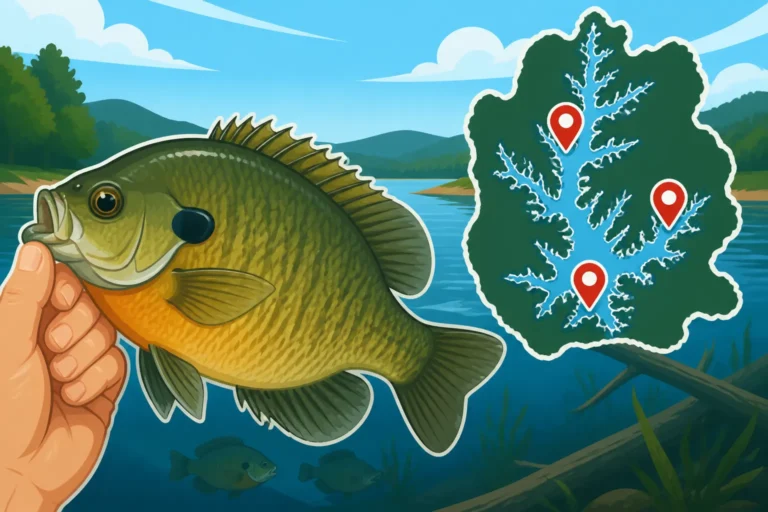
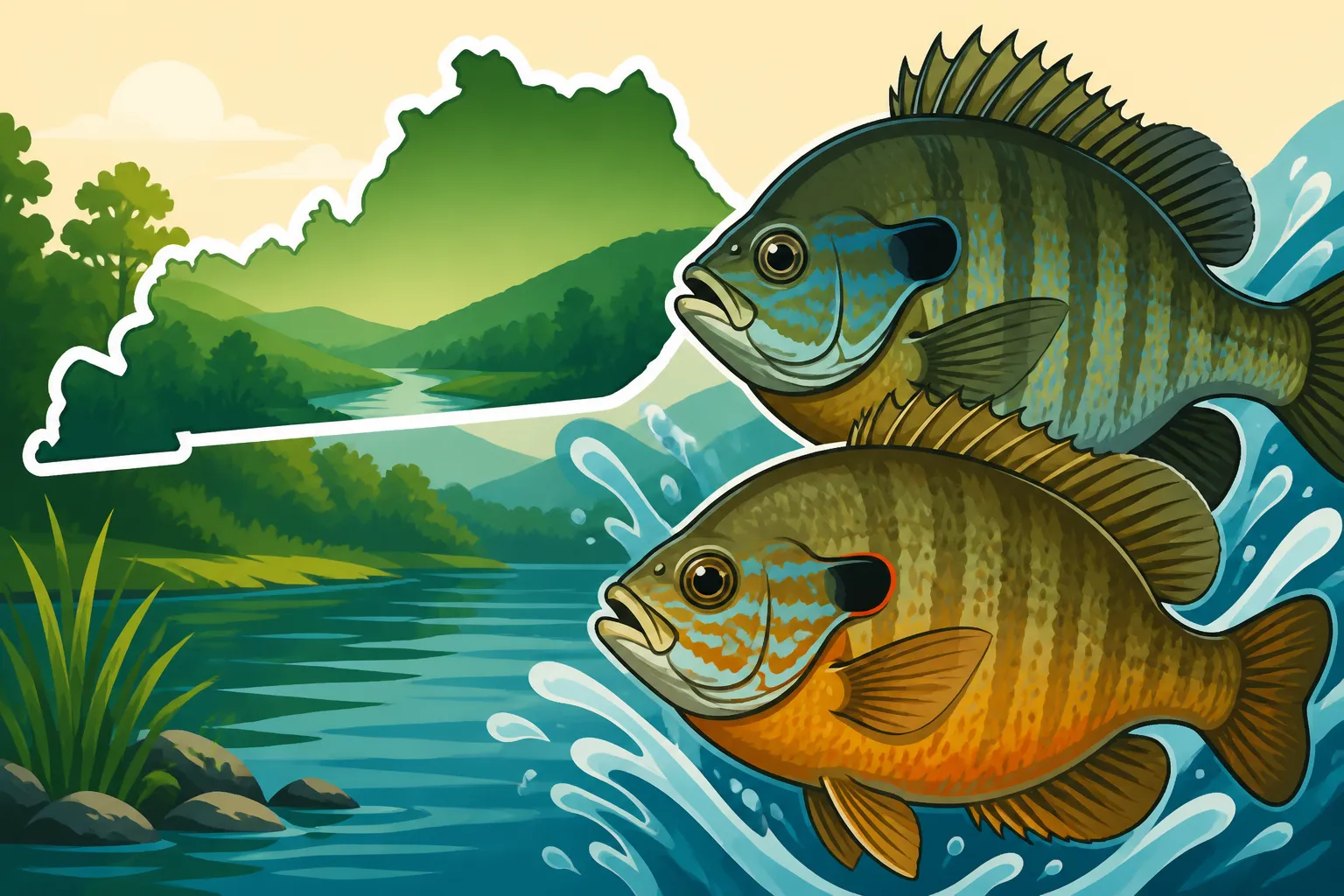
Ah, the bluegill – often the first fish many of us ever catch, and a species that continues to bring joy to anglers of all ages. You can find these little powerhouses in almost any body of freshwater in Kentucky, from the tiniest farm ponds to the largest reservoirs. They're typically identified by their small mouths, dark ear flaps (often with a distinctive blue-black spot), and generally compressed, disc-like bodies. Their coloring can vary wildly depending on the water clarity and bottom composition, ranging from deep olive-green to brighter blue and yellow hues, often with several vertical bars along their sides.
What makes bluegill so appealing is their aggressive nature, willingness to bite, and widespread distribution. They'll readily hit everything from a tiny piece of worm under a bobber to small artificial lures and flies. They are schooling fish, so once you find one, you're likely to find many more. This makes them perfect for a relaxing afternoon outing or teaching a youngster the ropes of fishing. They prefer areas with aquatic vegetation, submerged timber, or other forms of cover where they can ambush insects, small crustaceans, and other invertebrates.
Redear Sunfish: The Shellcracker Challenge
Often overshadowed by their more common cousin, the redear sunfish, affectionately known as the "shellcracker" by many seasoned anglers, offers a different kind of challenge and reward. You can distinguish them by the prominent red or orange margin on their ear flap (more subtle in females) and their slightly larger, more robust body compared to a bluegill. They also tend to have a blunter snout and a more rounded profile.
The "shellcracker" moniker comes from their preferred diet: snails, mussels, and other shelled invertebrates. They have specialized pharyngeal teeth in their throats that allow them to crush these shells, making them a unique predator in the panfish world. This specialized diet means they typically don't inhabit the same exact spots as bluegill, often preferring cleaner, harder bottoms where mollusks thrive. While they might not be as aggressively free-biting as bluegill, catching a good-sized redear is incredibly satisfying, as they put up a spirited fight on light tackle. Many anglers consider them even tastier than bluegill, with firmer, sweeter meat.
Key Habitat Features for Panfish
To consistently find bluegill and redear sunfish, you need to think like a fish. What do they need to survive, thrive, and reproduce? It boils down to a few critical elements: good cover, appropriate water conditions, and an ample food supply. Understanding these factors will help you narrow down your search, whether you're exploring a new lake or revisiting an old favorite.
Structure and Cover: Where Panfish Hide
Panfish, especially when they're not actively spawning, are ambush predators and also prey for larger fish. This means they absolutely love structure and cover. Think of it as their safe zone and their hunting ground all rolled into one. For bluegill, this often means dense aquatic vegetation like lily pads, cattails, and hydrilla. They'll hug the edges of these weed lines or sit right in the middle, darting out to grab a passing insect. Submerged timber – fallen trees, brush piles, old stumps – also provides excellent cover, giving them places to hide from predators and the scorching midday sun. Docks and piers, with their shaded undersides and vertical structure, are also consistent hotspots, especially if they have some submerged brush around their pilings.
Redear sunfish also appreciate cover, but because of their diet, they often prefer slightly different types. While you might find them near vegetation, they're more likely to be found over gravel beds, sandy flats, or rocky bottoms where their shelled prey resides. Look for areas with a mix of hard bottom and some scattered wood or rock cover, often in slightly deeper water than you might find a bluegill. Both species will congregate around transition zones, where a shallow flat drops off into deeper water, offering them quick access to safety while staying close to feeding grounds.
Water Depth and Temperature Preferences
Temperature and depth play a huge role in where panfish will be throughout the year. Bluegill are quite tolerant of a wide range of temperatures, but they truly thrive in warm water. During the heat of summer, they might move a bit deeper, seeking cooler, oxygen-rich water, but you'll still find them relatively shallow, usually less than 15 feet. In spring and fall, they can be found very shallow, especially during their spawning periods.
Redear sunfish generally prefer slightly warmer water than bluegill and tend to inhabit slightly deeper areas, particularly as the water heats up. While bluegill might be found in 2-5 feet of water during a summer morning, redear might be holding in 6-12 feet. Their preference for hard bottoms for feeding also means they'll often be found at depths where sediment hasn't built up too much. Keep an eye on water temperature; for example, if you're looking for early spring action, target sunnier, shallower coves that warm up faster. Knowing the water temperature can also help you predict when the bluegill spawn will start in Kentucky.
Forage and Food Sources
What they eat dictates where they live. Bluegill are opportunistic feeders, with a diet primarily consisting of aquatic insects, insect larvae, small crustaceans, and even tiny baitfish. They're visual predators, so clear to moderately clear water is usually best. Areas with abundant insect life, such as weed beds, often hold the most bluegill.
Redear sunfish, as mentioned, are specialized mollusk eaters. This means they'll be found in areas where snails, clams, and other shelled organisms are abundant. These areas typically have harder bottoms – gravel, sand, or rock – and are often found in moderately clear water. If you're seeing lots of snail shells washed up on the bank, that's a good sign there might be redear lurking nearby. Using a specialized fishing guide service, which you can often find details for on sites like FishingBooker, can give you insights into local forage patterns and where the fish are currently feeding.
Top Lakes and Ponds for Bluegill and Redear Sunfish in Kentucky
Kentucky is blessed with an incredible array of fishing opportunities, and when it comes to panfish, we've got some true gems. From vast reservoirs to quaint state park ponds, there's a spot for every angler and every fishing style. Finding the best spots to catch bluegill and redear sunfish really depends on what kind of experience you're after.
Major Reservoirs Known for Panfish
Kentucky's larger reservoirs are fantastic for panfish, offering vast expanses of water and diverse habitats.
- Kentucky Lake and Lake Barkley: These twin lakes are legendary for their bass and crappie, but don't overlook their panfish potential! Miles of shoreline, countless coves, and abundant submerged timber make them prime bluegill territory. For redear, focus on the clearer, shallower bays with harder bottoms. Both lakes offer incredible opportunities, whether you're fishing from a boat or exploring some of the many shore fishing access points on Kentucky Lake. The sheer size means you can find secluded spots away from the crowds.
- Lake Cumberland: While famous for its trophy smallmouth and winter trout fishing, Lake Cumberland also hosts a healthy population of panfish. Look for bluegill in the countless coves with standing timber and brush piles. The lake’s clear water means redear sunfish can also thrive in areas with rocky or gravelly bottoms. The many marinas and public access points provide great starting points.
- Barren River Lake: This lake is a known hotspot for excellent bluegill and redear fishing. It's often highlighted as one of the Best Bluegill Fishing Spots on Barren River Lake, Kentucky. The lake's irregular shoreline, numerous coves, and abundant brush provide prime habitat. Look for hard-bottomed areas for redear, especially in the spring. It’s also considered one of the Best Family-Friendly Fishing Spots on Barren River Lake, Kentucky, making it perfect for an outing with kids.
- Taylorsville Lake: Located conveniently near Louisville, Taylorsville Lake is a fantastic all-around fishery. It boasts excellent bluegill populations, particularly around the standing timber and flooded creek channels. For redear, explore the shallower flats with some harder bottom structure.
Smaller Lakes and State Park Ponds
Sometimes, the best fishing comes from those smaller, more intimate waters. Kentucky's state parks and numerous smaller public lakes are often overlooked but offer incredible panfish action, especially if you're looking for easy access or a quiet day.
- Lake Malone: Known for its clear water and beautiful rock formations, Lake Malone is a fantastic choice for both bluegill and redear. Its abundant aquatic vegetation and rocky shorelines create ideal conditions.
- Cedar Creek Lake: This relatively new lake near Stanford has quickly become a panfish paradise. Its standing timber and brush piles hold huge numbers of bluegill, and the clear water means healthy redear populations are also present.
- Kentucky State Park Lakes: Many state parks, like Lincoln State Park, Pennyrile Forest State Resort Park, and Green River Lake State Park, manage smaller lakes and ponds specifically for angling. These are often stocked and are excellent places to find easy bluegill action. Many even feature dedicated fishing piers, making them perfect for beginners or those seeking easy access. You can often find details on the Best State Park Fishing Piers in Kentucky through park websites. These waters are typically well-maintained and offer a pleasant experience.
River Backwaters and Oxbows
Don't forget the rivers! While the main channels of big rivers like the Ohio can be daunting, their backwaters, sloughs, and oxbow lakes are often teeming with panfish. These areas typically have less current, abundant vegetation, and accumulated debris, creating perfect panfish habitat.
- Ohio River Backwaters: Along the Kentucky side of the Ohio River, numerous backwater areas and old river channels have been cut off or have limited flow. These often have rich aquatic vegetation and offer incredible bluegill fishing. They are also less pressured than the main river and can be accessed by smaller boats or even bank fishing in some spots.
- Green River and Nolin River Backwaters: These rivers, and others like them, feature numerous sloughs and oxbows, especially during periods of higher water. When the water recedes, these pockets become isolated, creating perfect havens for panfish. Look for areas with a mix of cover and slower current.
Seasonal Considerations for Panfish Location
Finding bluegill and redear sunfish isn't just about picking the right lake; it's also about understanding where they'll be at different times of the year. Their behavior and location shift dramatically with the seasons, largely driven by water temperature and their spawning cycle. Knowing these patterns can make a huge difference in your success rate.
Spring Spawning Hotspots
Spring is arguably the best time to target bluegill and redear sunfish, especially if you're looking for numbers and actively feeding fish. As water temperatures begin to rise, typically into the high 60s Fahrenheit, both species will move into shallow water to spawn. This usually happens from late April through June, depending on the specific lake and region.
- Bluegill Spawning: Look for bluegill beds in shallow, protected coves with firm bottoms – gravel, sand, or even hard clay. They'll create circular depressions, often in colonies, in water as shallow as 1-3 feet. Once you find one bed, there are usually many more nearby. These areas are often near aquatic vegetation or submerged brush, offering some protection. They'll aggressively defend their nests, making them easy targets for small jigs, worms, or crickets. This is where knowing How to Find Bluegill Beds in Spring becomes invaluable.
- Redear Sunfish Spawning: Redear also move shallow to spawn, often a bit earlier than bluegill, as soon as water temperatures hit the low to mid-60s. They prefer slightly deeper beds than bluegill, usually in 2-6 feet of water, and almost always over a hard, clean bottom of sand, gravel, or shell hash. You'll often find them just off a drop-off or near submerged woody cover. While they don't school as tightly as bluegill, finding a redear bed can mean excellent fishing.
Summer Deep-Water Haunts
Once the spawn is over and the summer heat truly sets in, panfish, especially the larger ones, tend to move to deeper, cooler, more oxygenated water. This doesn't mean they disappear; you just have to adjust your tactics.
- Bluegill: In summer, bluegill often congregate around submerged brush piles, standing timber, or the shaded sides of docks and piers in 8-15 feet of water. They'll also hold along the deeper edges of weed lines or where a shallow flat drops off into a creek channel. Early mornings and late evenings can still find them shallower, but during the bright midday sun, they'll seek refuge in the depths. Using a fish finder to locate submerged structure can be incredibly effective during this time.
- Redear Sunfish: Redear will also move deeper, often preferring 10-20 feet of water, still focusing on hard bottoms where their mollusk prey is abundant. Look for them on ledges, underwater humps, or shell beds in these deeper zones. They can be a bit harder to pinpoint than bluegill in summer, requiring more precise bait placement. Sites like FishingBooker can connect you with local guides who specialize in finding these deeper summer panfish.
Fall and Winter Patterns
As water temperatures cool in the fall, panfish will once again become more active and can be found in shallower water, often feeding aggressively before the onset of winter.
- Fall Feeding Frenzy: In early to mid-fall, bluegill and redear will move back into shallower coves and flats, mirroring their spring behavior but without the spawning focus. They're trying to fatten up for winter, so they'll be actively feeding on insects and small baitfish. Look for them around remaining green vegetation or newly fallen leaves and timber.
- Winter Slowdown: When winter arrives and water temperatures drop significantly, panfish become much less active. They'll move to the deepest parts of the lake, often suspending over deep channels or congregating in large schools around substantial submerged structure like deep brush piles, stumps, or rock formations. The bite will be much more subtle, requiring light lines and small, slow-moving baits. While challenging, catching a stringer of plump winter bluegill is incredibly rewarding. This period might not be for everyone, but for dedicated anglers, it offers a unique challenge and can lead to some impressive catches. Understanding Kentucky Fishing Seasons: What to Catch Each Month will help you tailor your panfish pursuit year-round.
Here's a quick overview of Bluegill and Redear Sunfish habitat preferences:
| Feature | Bluegill (L. macrochirus) | Redear Sunfish (L. microlophus) |
|---|---|---|
| Typical Habitat | Abundant vegetation, submerged timber, docks, brush piles | Harder bottoms (sand, gravel, rock), shell beds, deeper edges |
| Preferred Depth | Shallows (1-10 ft), moves deeper in summer | Slightly deeper (3-20 ft), especially in summer |
| Diet Focus | Insects, larvae, small crustaceans, small baitfish | Snails, mussels, shelled invertebrates |
| Spawning Area | Shallow, protected coves with firm bottom, often in colonies | Slightly deeper hard bottoms, often near wood/rock cover |
| Water Clarity | Clear to moderately clear | Clear to moderately clear |
| Aggression | Highly aggressive, readily bites | Less aggressive, more subtle bite |
When you're packing your tackle box, remember that simplicity is often key for panfish. Small hooks (size 8-12), light line (2-6 lb test), and baits like crickets, worms, and small soft plastic jigs are usually all you need. Don't overthink it, especially when trying to implement Easy Bluegill Fishing Tips for Beginners. If you're using live bait, crickets are often considered the Best Bait for Bluegill in Kentucky Ponds, while redear often prefer a small worm or red wiggler presented near the bottom, which is considered the Best Bait for Redear Sunfish in Kentucky Lakes.
Kentucky offers an incredible variety of waters where you can find these popular panfish. With a little knowledge of their habits and a willingness to explore, you'll be enjoying a delicious panfish fry in no time. Whether you're fishing from the bank or a boat, these tips should set you up for success.
Disclaimer
Fishing regulations and conditions can change. Always consult the latest Kentucky Department of Fish and Wildlife Resources (KDFWR) regulations before heading out to ensure you have the correct licenses and are aware of any site-specific rules, size limits, or bag limits. Stay safe and always practice responsible angling.