How Big Do Blue Catfish Get in Kentucky?
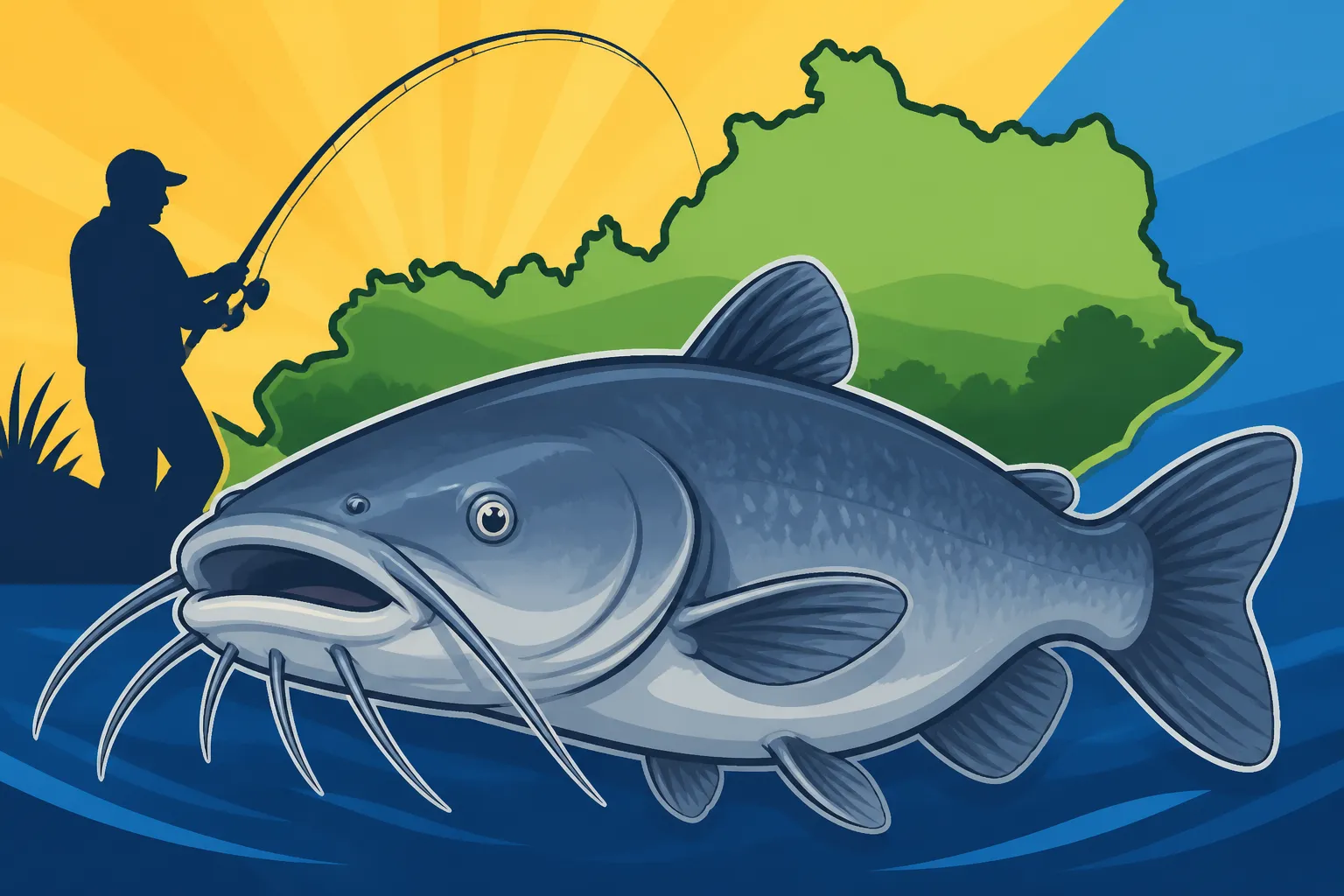
There’s something truly special about the tug on your line when you’re out fishing in Kentucky, especially when you suspect it might be a blue catfish. These powerful fish are renowned for their incredible size and strength, leading many anglers to wonder just how colossal they can get in our beautiful state. It's not just a rumor; Kentucky's waters hold some absolute behemoths, and this guide will dive deep into their impressive potential, where to find them, and how to successfully land one of these giants.
The Impressive Size of Kentucky's Blue Catfish
When you talk about blue catfish in Kentucky, you're not just talking about any fish. You're talking about a species that can grow to truly staggering proportions, becoming one of the largest freshwater fish in North America. The sheer power and endurance of a large blue cat can test even the most experienced angler, turning a calm day on the water into an epic battle. It's this potential for a once-in-a-lifetime catch that keeps so many of us coming back for more.
What Makes Blue Catfish Grow So Big?
Blue catfish have a few biological advantages that contribute to their massive size. Firstly, they are long-lived fish, with some individuals reaching ages of 20 years or more. This extended lifespan gives them ample time to pack on the pounds. Secondly, they are incredibly efficient predators, feeding on a wide variety of prey, from smaller fish like shad andSkipjack Herring to mussels and crayfish. A rich diet of protein-packed forage in our fertile Kentucky waters means they can grow consistently larger.
Habitat also plays a crucial role. Blue catfish thrive in large river systems and reservoirs with deep channels, strong currents, and plenty of submerged structure for ambush points and cover. Kentucky is blessed with an abundance of such waters, particularly the Ohio River and our sprawling reservoir lakes. These environments provide both the space for large populations and the ideal conditions for individual fish to reach their full genetic potential. Think of it like a perfectly managed farm for giant fish; they have everything they need to flourish.
Average Catches Versus the Trophy Potential
Most anglers targeting blue catfish in Kentucky will typically encounter fish in the 5 to 30-pound range. These are fantastic fighting fish, perfect for a day out with friends or family, and they make for excellent table fare. You'll find plenty of these respectable-sized blues in virtually all of our major impoundments and river systems, providing consistent action for those who know how to find them.
However, the "trophy potential" is where the blue catfish truly shines in Kentucky. These are the fish that push the scales past 50, 60, or even over 100 pounds. Landing one of these giants is often the culmination of years of angling experience, specialized gear, and a healthy dose of luck. They are not an everyday catch, but the possibility of hooking into one is a significant draw for dedicated trophy hunters. It’s the kind of fish that warrants bragging rights for a lifetime and a story told around countless campfires.
Kentucky's Giant Blue Catfish: Record Holders and Prime Waters
Kentucky has a well-earned reputation for producing colossal blue catfish, and our state record books are a testament to this fact. When we talk about "how big" they get, looking at the existing records gives us a real sense of the upper limits. These record-breaking fish don't just appear anywhere; they come from specific, fertile waters that provide the perfect conditions for growing true monsters.
The Ohio River: Home to Kentucky's Largest Blue Catfish
Without a doubt, the Ohio River is the undisputed champion when it comes to producing gargantuan blue catfish in Kentucky. The sheer volume of water, the deep navigation channels, abundant baitfish, and the consistent flow create an ideal ecosystem for these powerful predators. The river's vastness means there's plenty of room for these fish to roam and grow without too much pressure in any one spot. Anglers often flock to stretches of the river that feature deep holes, major current breaks, and confluence areas, knowing these are prime holding spots for the biggest blues.
The state record blue catfish, weighing an astounding 106 pounds and 14 ounces, was caught from the Ohio River. This incredible catch demonstrates the absolute pinnacle of what's possible in these waters. It wasn't a fluke; Kentucky's Record Blue Catfish Weighed 106 Pounds 14 Ounces is a testament to the river's consistent ability to grow fish of that caliber. Many local anglers will tell you that the Ohio River is not just a river; it's a blue catfish factory, continuously churning out world-class specimens that challenge anglers and redefine expectations. When you're dreaming of a true monster, the Ohio River should be at the very top of your list.
Other Kentucky Lakes and Rivers Known for Big Blues
While the Ohio River takes the crown, several other Kentucky waters consistently produce impressive blue catfish catches. These locations might not hold the state record, but they offer incredible opportunities for anglers looking for a substantial fight and a memorable catch. Understanding where these other giants lurk can significantly improve your chances of success.
Kentucky Lake and Lake Barkley, often referred to as "the twin lakes," are also phenomenal blue catfish destinations. These massive reservoirs, especially in their lower reaches and river channel sections, hold significant populations of large blues. The abundant shad schools provide a rich food source, allowing catfish to grow quickly. Anglers frequently find large blue cats concentrated around old river channels, ledges, and deep main lake points. You can learn more about these areas in guides like Best Catfish Holes on Kentucky Lake.
Lake Cumberland, Green River Lake, and Barren River Lake are other notable fisheries that, while perhaps better known for other species, can still surprise you with big blue catfish. These lakes have deep waters and ample structure that big blues love. While they might require a bit more searching, the reward of pulling a 30- to 50-pound blue catfish from these pristine waters is a thrill that keeps many dedicated anglers coming back season after season. Don't overlook these gems, especially if you prefer a less crowded experience than some of the more famous blue cat hotspots.
Here's a quick look at the trophy potential in Kentucky's top blue catfish waters:
| Water Body | Typical Catch Size Range | Trophy Potential (Often Exceeding) | State Record Location |
|---|---|---|---|
| Ohio River | 10 – 40 lbs | 50 – 100+ lbs | Yes (Current Record) |
| Kentucky Lake | 5 – 30 lbs | 40 – 70 lbs | No |
| Lake Barkley | 5 – 30 lbs | 40 – 70 lbs | No |
| Lake Cumberland | 5 – 25 lbs | 30 – 50 lbs | No |
| Green River Lake | 5 – 20 lbs | 25 – 45 lbs | No |
| Barren River Lake | 5 – 20 lbs | 25 – 45 lbs | No |
Targeting Trophy Blue Catfish: Strategies and Gear
Catching a truly massive blue catfish isn't just about luck; it's about preparation, strategy, and having the right tools for the job. These fish are powerful, and if you're not ready, they'll make quick work of your tackle and leave you with a story of the one that got away. Dedicating yourself to targeting trophy blues means investing in heavier gear and understanding their habits.
Essential Gear for Battling Big Blue Catfish
When you're chasing blue catfish that can weigh as much as a small person, your standard bass or crappie gear simply won't cut it. You need heavy-duty equipment designed to withstand immense pressure and prolonged fights. Think about the strength required to haul in a hundred-pound fish from a strong river current – it’s a serious undertaking.
Starting with rods, look for heavy or extra-heavy action rods, typically 7 to 10 feet long, with a strong backbone. Graphite composite rods offer a good balance of sensitivity and power. Reels should be large, conventional baitcasting reels or heavy-duty spinning reels with excellent drag systems and a high line capacity. You'll want to spool them up with at least 50-80 pound test braided line, often with a monofilament or fluorocarbon leader of similar strength. Braided line offers superior sensitivity and strength for setting hooks and battling these giants. You can find a fantastic selection of these heavy-duty rods, reels, and lines by searching for "catfishing gear" on platforms like Amazon. Don't skimp on quality here; a cheap reel with a weak drag will quickly fail under the strain of a monster blue cat. For more specific advice, check out Best Reels for Catfish Fishing.
Beyond the rod and reel, other crucial gear includes heavy-duty circle hooks (8/0 to 12/0 are common sizes for trophy blues), substantial sinkers (pyramid or no-roll sinkers weighing 3-8 ounces or more, depending on current), and robust swivels and snaps. A sturdy rod holder is essential, especially when fishing from a boat or bank, to keep your rod secure against sudden, powerful strikes. Finally, a large landing net or a sturdy set of fish grippers designed for big fish is non-negotiable for safely landing and handling your catch.
Best Baits and Techniques for Giant Blues
Big blue catfish are primarily piscivores, meaning they love to eat other fish. Therefore, fresh cut bait is almost always the bait of choice for targeting trophy blues. Shad, skipjack herring, carp, and even panfish cut into chunks are incredibly effective. The fresher the bait, the better, as the oils and scent trails are irresistible to hungry blue cats. Some anglers will catch their own bait just before a trip to ensure maximum freshness. Live bait, such as a frisky shad or a small carp, can also be highly effective, but cut bait generally covers more ground with its powerful scent. For a deep dive into bait options, consider Best Baits for Summer Catfish Fishing.
When it comes to techniques, bottom fishing is the most common method for targeting large blue catfish. This involves using a slip-sinker rig, where the sinker slides freely on the main line above a swivel, which is then tied to a leader and hook. This allows the fish to pick up the bait and move off without feeling the resistance of the sinker, leading to more confident bites. Anchoring upstream of a deep hole, a submerged structure, or a current seam and casting your baits into these areas is a classic tactic.
Another effective technique, especially on vast reservoirs like Kentucky Lake, is drift fishing. This involves allowing your boat to slowly drift across likely catfish holding areas, presenting baits along the bottom. This covers more water and can help you locate actively feeding fish. For those who enjoy a more active approach, jug fishing for catfish is also popular and can be very productive, although it requires understanding specific regulations. If you're new to this, a guide like How to Jug Fish for Catfish Step by Step can be invaluable. The key is to get your bait in front of the fish, let it sit naturally, and be patient – trophy blue catfish often take their time finding the perfect meal.
Responsible Angling: Catch, Care, and Conservation
Catching a giant blue catfish is an exhilarating experience, but with that excitement comes a responsibility to ensure the health of our fisheries for future generations. Large, mature blue catfish are vital to the breeding population, and proper handling practices are crucial for their survival, especially if you intend to release them.
Best Practices for Catch and Release of Large Catfish
When you finally land that monster blue catfish, the adrenaline will be pumping, but it's important to keep a cool head and handle the fish with care. Minimize the time the fish spends out of the water. If you plan to weigh it, do so quickly and efficiently, preferably using a large weigh sling that supports the fish's entire body, preventing internal injury. Avoid holding large catfish vertically by the jaw or gills, as their heavy bodies can put undue stress on their internal organs and skeletal structure. If a photo is desired, support the fish horizontally with two hands or against your body.
Use a large, wet landing net or a sturdy set of BogaGrip-style fish grippers to bring the fish into the boat, rather than pulling it directly by the line. If you're on the bank, try to slide the fish onto a wet grassy area or a large, wet unhooking mat. Carefully remove the hook, using pliers or a dehooking tool if necessary. Circle hooks, which are highly recommended for catfishing, tend to hook in the corner of the mouth, making removal easier and reducing deep hooking injuries. Once unhooked, gently guide the fish back into the water, supporting its belly until it's strong enough to swim away on its own. Often, giving the fish a few minutes to recover upright in the water before letting go makes a huge difference.
Understanding Daily Limits and Trophy Regulations
While the thrill of catching a giant blue catfish is undeniable, it's critical to be aware of and adhere to Kentucky's fishing regulations. These rules are in place to ensure the sustainability of the blue catfish population and maintain a healthy fishery for everyone. Ignorance of the law is never an excuse, and game wardens do regularly check for compliance, as detailed in Game Warden Enforcement and License Checks While Fishing.
Kentucky has specific statewide daily limits for catfish, which include blue, channel, and flathead catfish. Often, this is a cumulative limit across all species. Additionally, there might be special trophy fish regulations that pertain to fish over a certain size. For instance, while you might be allowed to keep a certain number of catfish per day, there could be a specific limit on how many of those can be "trophy" sized (e.g., over 25 or 30 inches). It’s not uncommon to be limited to keeping only one trophy-sized fish per day, even if your overall daily limit allows for more smaller fish. These regulations are designed to protect the largest, most reproductively active fish, allowing them to continue spawning and contributing to the next generation of giants. Always check the current Kentucky fishing guide before heading out, as regulations can change. For more details on this, you can look up Kentucky Catfish Daily Limit and Trophy Fish Rule.
Disclaimer
This article is for general informational purposes only and does not constitute professional advice. Laws, prices and regulations vary by location and change over time. Consult a qualified professional for guidance on your specific situation.