Is Yellow Perch Good to Eat?
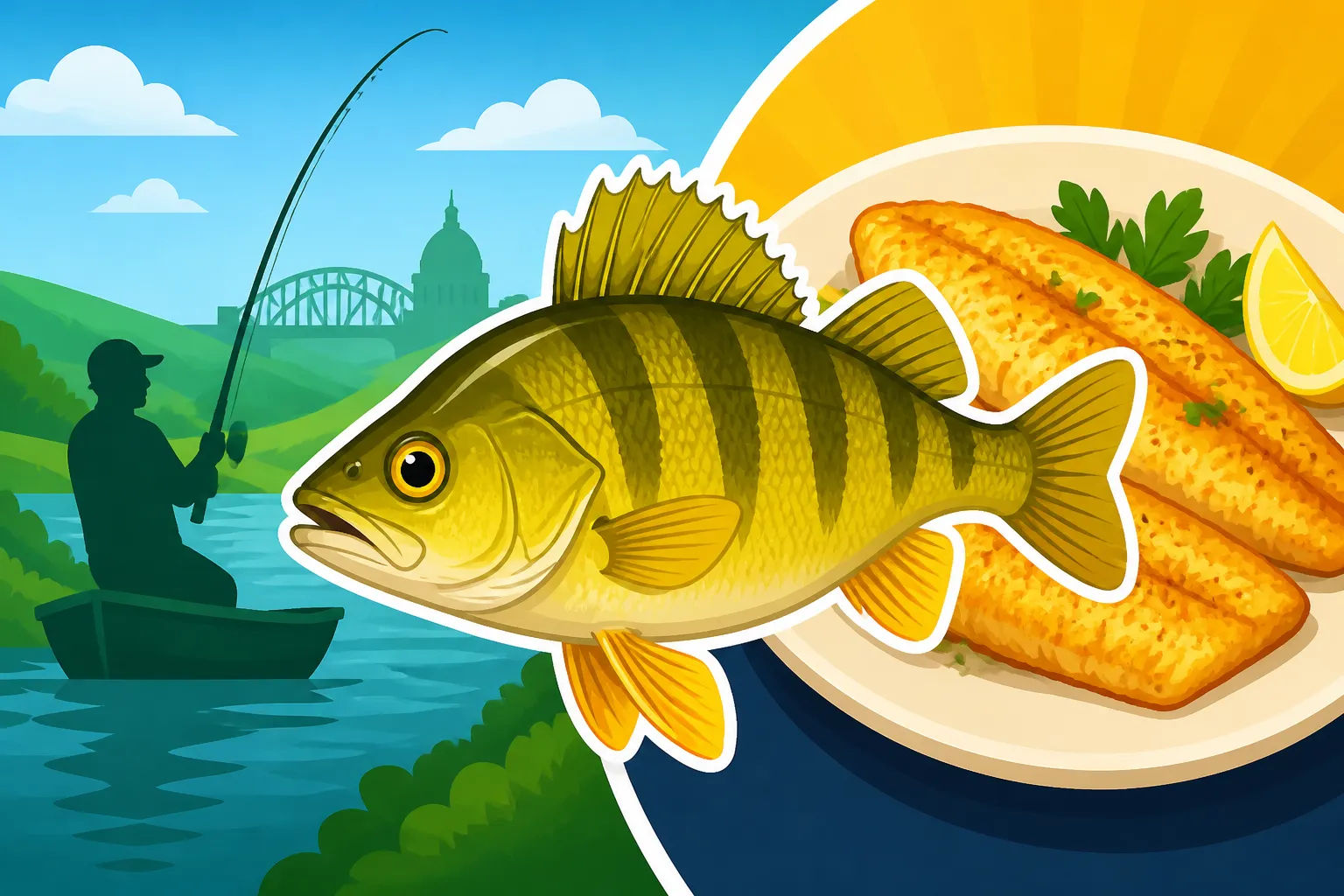
Ah, the yellow perch! If you've ever hauled in a stringer of these beautiful, emerald-barred beauties from a Kentucky lake or pond, chances are the first thought that popped into your head wasn't just about the fight, but about what they'd taste like. It’s a completely natural question, especially if you’re new to angling or just used to catching other popular species. Well, let me tell you, you’re in for a treat! This guide is going to walk you through exactly why yellow perch are considered a delicacy by many, and how you can prepare them to be the star of your next meal.
The Culinary Appeal of Yellow Perch
There’s a reason why so many anglers, from seasoned veterans to excited youngsters, love catching yellow perch – and it’s not just because they’re abundant and feisty on the line. These fish offer a truly delightful culinary experience that stands out, even among other popular panfish. If you've ever heard someone rave about a "fish fry," chances are yellow perch were among the stars of the show.
They don't have that strong, overpowering "fishy" taste that turns some people off, making them incredibly approachable for even the most discerning palates. Their flesh is pristine and white, signaling a clean, fresh flavor that's hard to beat. This mildness is truly one of their greatest assets, allowing them to take on a variety of seasonings and cooking methods beautifully without being masked by their own inherent flavor.
A Mild, Flaky Delight
Let's get straight to the point: yellow perch are absolutely delicious. Their meat is tender, white, and notably flaky when cooked, possessing a sweet, mild flavor that many compare favorably to walleye or even crappie, but often with a slightly firmer texture. You won't find any muddiness or overly strong flavors here, which is a huge plus for families or those who are typically hesitant about eating fish.
Imagine biting into a perfectly cooked fillet – it just melts in your mouth, leaving a clean, pleasant aftertaste. This delicate profile means yellow perch is incredibly versatile in the kitchen, adapting wonderfully to different spices and preparations. It’s the kind of fish that can convert a non-fish-eater into a true believer, simply because it’s so agreeable and universally appealing.
Why Anglers Love to Eat Perch
Beyond their fantastic taste, there are practical reasons why anglers cherish yellow perch for the dinner table. For one, they’re typically smaller fish, making them perfect for a quick individual meal or for feeding a crowd without needing massive fillets. Cleaning them, while requiring a bit of patience due to their size, becomes quick and efficient once you get the hang of it. And there’s nothing quite like the satisfaction of turning your catch into a meal just hours after you pulled it from the water.
Their popularity isn't confined to Kentucky; yellow perch are celebrated across the Great Lakes region and other parts of the country where they thrive. From lakeside fish shacks to home kitchens, they are a staple, often served in generous piles at community fish fries. Many dedicated anglers specifically target perch not just for the sport, but with the full intention of filling their cooler for a delicious feast later.
Preparing Your Yellow Perch for the Table
Catching yellow perch is only half the fun; the other half is getting them ready to cook! Proper preparation is key to unlocking their full flavor potential and ensuring a delightful dining experience. Don't be intimidated by the cleaning process; with a little practice and the right tools, you'll be filleting like a pro in no time.
Taking the time to clean your fish properly not only makes them more appealing to eat but also removes any parts that could contribute to an undesirable taste. Freshness is paramount with any fish, and perch are no exception. Getting them on ice quickly after the catch and preparing them promptly will ensure the best possible flavor.
The Art of Cleaning and Filleting Perch
Cleaning a yellow perch starts with scaling. You can use a dedicated fish scaler, or even the back of a knife blade, scraping against the grain of the scales. A good tip is to do this while the fish is wet, perhaps under running water, to keep the scales from flying everywhere. Once scaled, you'll want to remove the head and gut the fish. Make an incision from the vent up to the gills, being careful not to puncture the internal organs, then scoop them out. Rinse the cavity thoroughly.
For filleting, you'll need a sharp fillet knife. If you don't have one, you can find a great selection of fillet knives, scaling tools, and other fishing accessories on Amazon. Start by making a cut behind the gill plate, down to the backbone. Then, turn your knife and run it along the backbone towards the tail, separating the fillet. Flip the fish over and repeat on the other side. Perch fillets are small, so precision is key to getting as much meat as possible. Remember, practice makes perfect, and even if your first fillets aren't restaurant-quality, they'll still taste amazing.
Skin On or Skin Off?
When it comes to yellow perch, whether to leave the skin on or take it off is a matter of personal preference, and sometimes, the cooking method. There are good arguments for both approaches, so let’s explore them.
Keeping the skin on can add an extra layer of flavor and crispiness, especially if you're pan-frying or grilling. The skin, when cooked until golden and crispy, offers a delightful texture contrast to the flaky meat. It also helps the fillet hold its shape better during cooking, which can be a real advantage with smaller, more delicate perch fillets. However, some people prefer to remove the skin, finding it too "fishy" or simply preferring the cleaner texture of skinless meat. If you choose to remove the skin, lay the fillet skin-side down, make a small cut at the tail end, and holding the skin firmly, run your knife between the skin and the flesh at a shallow angle.
Popular Ways to Cook Yellow Perch
Now for the best part – cooking those delicious fillets! Yellow perch's mild flavor and delicate texture make it suitable for a wide array of cooking methods, but some classics truly highlight its best qualities. Whether you're aiming for a quick weeknight dinner or a full-blown fish fry for friends and family, yellow perch delivers.
Don't be afraid to experiment with different spices and cooking techniques. Because the fish itself isn't overpowering, it acts like a canvas for your favorite flavors. From simple salt and pepper to more intricate marinades, perch can handle it all, always maintaining its sweet, flaky goodness.
Classic Pan-Fried Perch
This is, arguably, the most beloved way to prepare yellow perch, and for good reason. Pan-frying results in a crispy exterior and a moist, tender interior that is simply irresistible. Start by patting your fillets dry with paper towels; this is crucial for achieving that coveted crispness. For breading, you can use a simple mix of seasoned flour, cornmeal, or a combination of both. Many folks swear by a blend of yellow cornmeal and all-purpose flour for the perfect crunch.
Dip each fillet in an egg wash (beaten egg with a splash of milk or water) then dredge it generously in your breading mix, ensuring it’s evenly coated. Heat a neutral oil, like vegetable or canola, in a heavy-bottomed skillet over medium-high heat. You want enough oil to cover about half the thickness of your fillets. Once the oil is shimmering, carefully place the fillets in the pan, making sure not to overcrowd it. Cook for about 2-4 minutes per side, depending on thickness, until golden brown and flaky. Remove to a wire rack to drain excess oil, and sprinkle with a little extra salt while hot. Serve immediately with lemon wedges! For more general information about fish limits, check out Statewide Bag and Size Limits by Fish Species.
Baking, Grilling, and Other Methods
While pan-frying reigns supreme, yellow perch can also be excellent when baked or grilled, offering lighter, healthier options. To bake, simply arrange your seasoned fillets in a baking dish, drizzle with olive oil or melted butter, and bake at 375°F (190°C) for 10-15 minutes, or until the fish flakes easily with a fork. You can add lemon slices, fresh herbs like dill or parsley, and a sprinkle of paprika for extra flavor.
Grilling perch can be a bit trickier due to their delicate nature and smaller size, but it's totally doable! Use a grilling basket to prevent them from falling through the grates. Lightly oil and season the fillets, place them in the basket, and grill over medium heat for a few minutes per side until cooked through. Air frying is another fantastic, low-oil option that delivers a wonderfully crispy texture akin to pan-frying. Just lightly coat your seasoned fillets in a small amount of oil and your preferred breading, then air fry according to your appliance's instructions, typically around 375-400°F for 8-12 minutes, flipping halfway.
Seasoning and Flavor Pairings
Yellow perch is a fantastic canvas for a variety of seasonings. The simplest approach is often the best: salt, black pepper, and a squeeze of fresh lemon juice are all you truly need to highlight its natural sweetness. However, don't hesitate to elevate it with other herbs and spices. Paprika adds a lovely color and mild warmth, while garlic powder or onion powder can enhance its savory notes. Fresh dill, parsley, or chives bring a bright, herbaceous freshness that pairs beautifully with fish.
For a slightly more adventurous take, consider a Cajun or Old Bay seasoning blend for a bit of a kick. When it comes to side dishes, classic pairings include coleslaw, hushpuppies, french fries, or roasted vegetables. A light rice pilaf or a fresh green salad also complements the delicate flavor of the perch perfectly. You can always check out Best Tackle Box Setup by Species for some ideas on general fishing gear, which often includes spices and cooking kits!
Sourcing and Sustainability of Yellow Perch in Kentucky
Understanding where your fish comes from and how to responsibly harvest it is an important part of enjoying the culinary experience. Kentucky waters are home to a diverse range of fish, and yellow perch are definitely among the beloved species. Knowing the right spots and the rules helps ensure these fisheries remain healthy for generations to come.
Being a responsible angler means more than just catching fish; it means understanding the ecosystem, respecting the regulations, and leaving the environment better than you found it. This mindfulness enhances the entire experience, from casting your line to enjoying your meal.
Where to Catch Yellow Perch in Kentucky
Yellow perch are found in various waters across Kentucky, often favoring cooler, clearer lakes and reservoirs, as well as some larger rivers. They tend to congregate around structures like submerged timber, weed beds, drop-offs, and rocky points. Many of the state's larger impoundments will hold healthy populations. Knowing these typical habitats can significantly increase your chances of success.
While they might not always be the primary target for some anglers who are focused on bass or crappie, a school of hungry perch can provide fast and furious action, making them a fantastic fish for all skill levels. For specific locations and tips on finding them, you can often find great information in local fishing forums or by checking official wildlife resources. If you're looking for more details on general perch hot spots, you might find some useful information in Yellow Perch Fishing Spots on Kentucky Lakes.
Responsible Harvesting and Limits
As with any fish species, it's crucial to be aware of and abide by Kentucky's fishing regulations for yellow perch. These rules are in place to protect fish populations and ensure sustainable fishing opportunities for everyone. While yellow perch are generally abundant, understanding bag and size limits is essential. Always check the current regulations before you head out, as they can sometimes vary by water body.
Taking only what you plan to eat is a core principle of ethical angling. This not only conserves the resource but also ensures you're not wasting any of your delicious catch. Carrying a measuring device and being able to quickly identify your catch are good practices. For comprehensive details on statewide regulations, make sure to read Kentucky Fishing Regulations Explained. It's always better to be safe than sorry, and avoiding penalties for fishing without a license is key; a quick glance at What Happens If You Fish Without a License in Kentucky? can serve as a good reminder!
Common Concerns and FAQs
Even though yellow perch are widely loved for their taste, new anglers or those unfamiliar with the species might still have some lingering questions or concerns. It's totally normal to wonder about things like "fishiness" or the health aspects of eating fish. Let's tackle some of those common questions head-on so you can enjoy your perch with confidence.
Having accurate information about what you're eating allows you to make informed choices and appreciate your meal even more. It’s about more than just taste; it’s about understanding the whole picture of your food source.
Addressing the "Fishy" Taste Myth
One of the biggest concerns people have with eating fish is that it might taste "fishy." This unpleasant flavor often comes from improper handling, older fish, or certain species known for stronger oils. The good news is that yellow perch very rarely suffer from this issue. Their flesh is lean and white, with a naturally mild flavor.
The key to preventing any "fishy" taste lies in proper handling from the moment you catch them. Get your perch on ice immediately after catching them, and clean them as soon as possible. Thoroughly rinsing the fillets before cooking also helps. If you've ever had perch that tasted strongly fishy, it's likely due to these factors, not the inherent flavor of the perch itself. This is also why many anglers specifically target perch – you get all the deliciousness with none of the strong aftertaste. You might also be curious about other popular species and their flavor, like Is Crappie Good to Eat? or Is Sauger Good to Eat?.
Health Benefits of Eating Perch
Beyond their incredible taste, yellow perch offer a healthy addition to your diet. Like many fish, they are an excellent source of lean protein, which is essential for muscle growth and repair, and helps keep you feeling full and satisfied. They are also relatively low in fat, making them a good choice if you're watching your caloric intake.
While not as high in omega-3 fatty acids as some cold-water ocean fish, yellow perch do contain beneficial omega-3s, which are known to support heart and brain health. Eating fish regularly can be a fantastic way to incorporate vital nutrients into your meals. Plus, there’s the added benefit of knowing exactly where your food came from if you caught it yourself! You can't beat that freshness or the pride of a self-caught meal.
| Cooking Method | Preparation Notes | Taste & Texture | Best For |
|---|---|---|---|
| Pan-Frying | Breaded (flour/cornmeal), ample oil, medium-high heat. | Crispy exterior, moist & flaky interior, rich flavor. | Classic fish fry, quick meals, maximizing crispiness. |
| Baking | Lightly oiled/buttered, seasoned, in baking dish. | Tender, flaky, lighter texture, less fat. | Healthier option, easy cleanup, gentle flavors. |
| Grilling | Seasoned, in grilling basket, medium heat. | Slightly smoky flavor, firm but flaky, great for outdoor cooking. | BBQ gatherings, adding char, requires care to prevent sticking. |
| Air Frying | Lightly breaded/oiled, air fryer basket. | Very crispy without deep-frying, tender inside. | Low-oil option, quick cooking, great for small batches. |
| Deep-Frying | Heavily breaded, fully submerged in hot oil. | Ultimate crispiness, often served with fries/hushpuppies. | Traditional fish fry events, achieves maximum crunch. |
Disclaimer
This article is for general informational purposes only and does not constitute professional advice. Laws, prices and regulations vary by location and change over time. Consult a qualified professional for guidance on your specific situation.