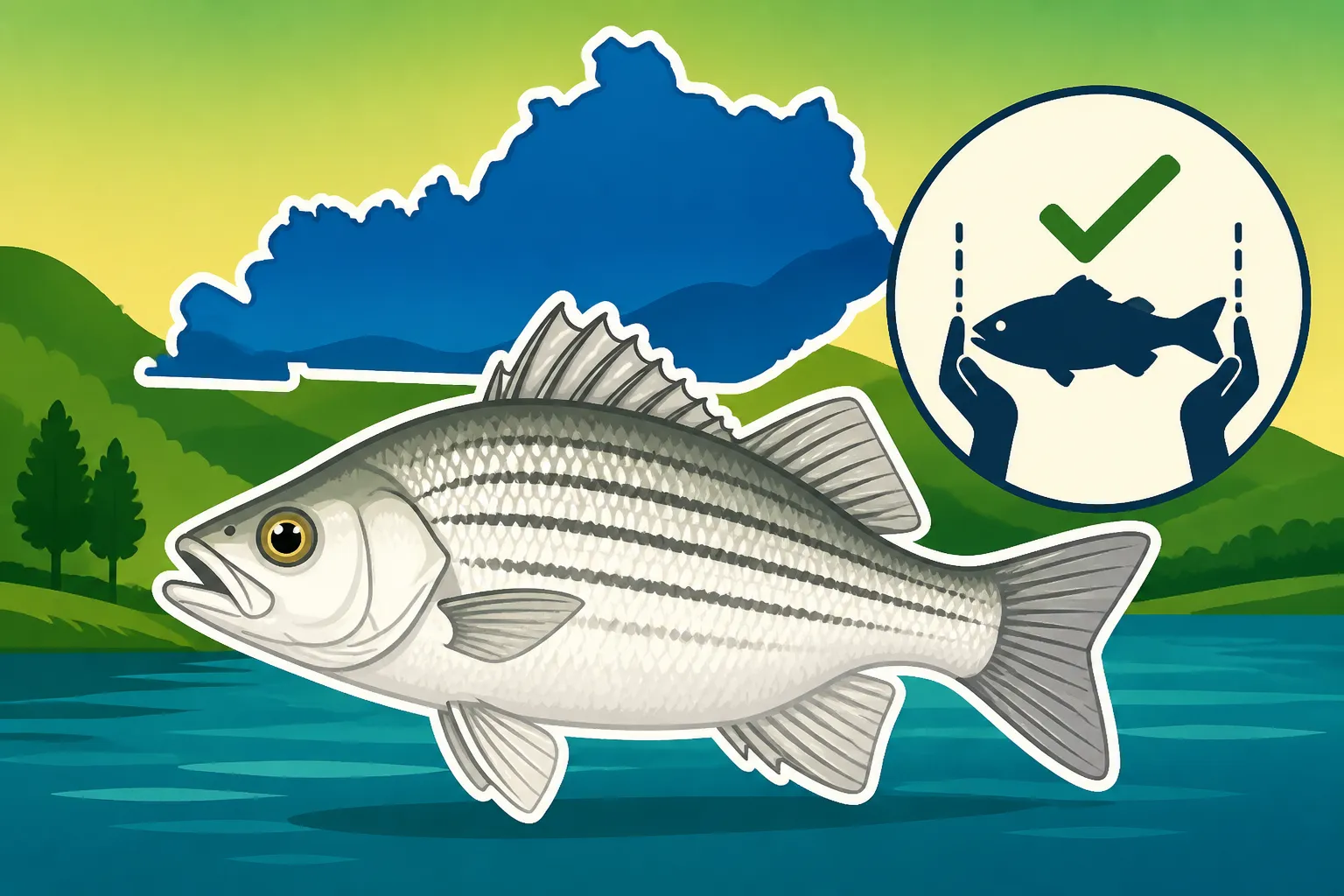
White Bass Size Limits in Kentucky
It can be incredibly confusing to keep track of all the different fishing regulations when you're out on the water, especially when some species have length restrictions and others don't. You're trying to do the right thing and stay legal, but the rules can feel like a moving target! This guide will demystify the specific regulations surrounding white bass in Kentucky, helping you understand not just the limits, but why they are set the way they are, so you can fish with confidence and peace of mind.
Kentucky's Fishing Regulations: A General Overview
Before we dive specifically into white bass, it’s helpful to understand the general framework of fishing regulations here in Kentucky. The Kentucky Department of Fish and Wildlife Resources (KDFWR) is responsible for managing our state's aquatic resources, which means they set the rules to ensure healthy fish populations for generations to come. These rules cover everything from who needs a license to what gear you can use, and, of course, how many fish you can keep and how big they need to be.
You see, without these regulations, overfishing could quickly deplete our waters of popular species. Imagine if everyone could take home as many bass as they wanted, no matter the size! Our lakes and rivers would be empty in no time. So, while sometimes these rules might feel a little restrictive, they’re truly there to protect the very thing we love: fishing. Always make sure you have your Kentucky Fishing License Guide sorted out before you even cast a line.
Licenses and Permits
First and foremost, nearly all anglers over a certain age need a valid Kentucky fishing license to fish in public waters. There are different types of licenses – annual, short-term, resident, non-resident – each with its own cost and duration. On top of your general fishing license, some specific activities or species, like trout fishing, might require an additional permit. It’s always a good idea to double-check these requirements before you head out, as getting caught without the proper paperwork can lead to penalties. The fines for fishing without a license can be quite significant, definitely putting a damper on what should be a relaxing day.
Statewide and Site-Specific Rules
Here's where it can get a little tricky. Kentucky has statewide regulations that apply to most waters across the Commonwealth. These are your baseline rules for things like daily limits (also known as creel limits) and size limits for common species such as largemouth bass or crappie. However, many individual lakes, rivers, or even specific stretches of water might have site-specific regulations that override or add to the statewide rules. This is often done to manage a particular fishery that has unique characteristics, perhaps a lake known for trophy bass, or one where a certain species is being rehabilitated. It means that while the general rule might be X, at Lake Barkley, it could be Y. This is why checking the specific regulations for the body of water you plan to fish is absolutely crucial. You can find detailed information on Statewide Bag and Size Limits by Fish Species and it’s always wise to check Kentucky Fishing Rules by Lake and Water before your trip.
White Bass Regulations in Kentucky
Now, let's talk about the spirited, schooling fish that is the white bass! These guys are a blast to catch, especially when they're schooling on the surface, creating a frenzy of activity. They're found in many of Kentucky's larger lakes and rivers, often providing fast action and a delicious meal. But what are the rules for keeping them?
When it comes to white bass in Kentucky, there’s a crucial distinction to understand between a size limit and a creel limit. This is where many anglers can get confused, thinking that if there's no length restriction, there are no rules at all. That's not the case!
Size Limits Versus Creel Limits
A size limit (also known as a length limit) means that a fish must be a minimum or maximum length to be legally kept. For example, largemouth bass in many Kentucky lakes have a 12-inch minimum size limit, meaning any bass shorter than 12 inches must be immediately released.
A creel limit (or daily limit), on the other hand, refers to the maximum number of fish of a particular species that an angler can legally keep in a single day. This limit is about quantity, not size.
For white bass in Kentucky, the general statewide rule is that there is no minimum size limit. This means you can keep a white bass of any legal length, as long as it meets the other regulations. However, there is a daily creel limit. This is a common arrangement for species that reproduce quickly and are abundant, where the concern is more about the overall harvest volume rather than protecting individual large or small fish.
Current White Bass Daily Limits
The statewide daily creel limit for white bass (and its close cousin, the yellow bass) in Kentucky is generally 30 fish per angler. This limit is quite generous, reflecting the prolific nature of these schooling fish. This means that while you can keep a 6-inch white bass or a 12-inch white bass, you can only keep a total of 30 of them combined (white and yellow bass) in one day.
It's vital to remember that these limits can occasionally be subject to change based on biological surveys and management decisions by the KDFWR. While 30 is the common number, always confirm the latest regulations before your trip. The KDFWR website is your go-to source for the most up-to-date information.
To illustrate, here's a quick comparison of common regulations you might encounter:
| Fish Species (Kentucky) | Statewide Size Limit | Statewide Daily Creel Limit |
|---|---|---|
| Largemouth Bass | 12 inches minimum (many lakes) | 6 fish |
| Crappie | None (most waters) | 20 fish |
| Channel Catfish | None | 15 fish (only 1 over 25 inches) |
| White Bass | None | 30 fish |
| Yellow Bass | None | 30 fish |
Note: Always verify current regulations for your specific fishing location, as site-specific rules can apply.
Combined Creel with Yellow Bass
One important detail to remember is that the 30-fish daily limit applies to white bass and yellow bass combined. You can't keep 30 white bass and then turn around and keep 30 yellow bass, even if they were caught in the same waters. They fall under a single, combined creel limit. This makes sense from a biological and management perspective, as these species often inhabit similar waters and are sometimes caught interchangeably by anglers. Understanding the differences and similarities between these species can be helpful, so take a look at White Bass and Yellow Bass Fishing in Kentucky.
Why Regulations Vary and How to Stay Compliant
You might wonder why some fish, like white bass, have no size limit, while others have strict minimums. There's a method to the madness, I promise! It all comes down to the biology of the fish species and the specific goals of fisheries management for a given body of water.
Biological and Management Reasons for Varied Limits
Different fish species have different life histories. White bass, for instance, are prolific spawners, producing a large number of offspring. They also tend to have shorter lifespans and grow relatively quickly. For such species, managers often focus on maintaining a healthy overall population rather than protecting individual large fish. A high creel limit and no size limit allows anglers to harvest a good number of these fish, which can sometimes even help to prevent overpopulation and ensure that the remaining fish have enough food resources.
On the other hand, species like largemouth bass are often managed for quality fisheries, aiming to produce larger, older fish. Minimum size limits help ensure that bass have a chance to spawn at least once or twice before they are harvested, contributing to future generations. They also help to protect those larger, trophy-sized fish that many anglers dream of catching.
The Importance of Checking Local Regulations
Because regulations can vary significantly from one lake to another, or even between different sections of the same river system, it is paramount that you always check the specific rules for your intended fishing destination before you go. Relying solely on statewide regulations can land you in hot water if you're fishing in a lake with special restrictions. The KDFWR website is the official source for all regulations, and you can usually find physical regulation guides at bait shops, sporting goods stores, or KDFWR offices. Consider keeping a small, laminated copy of the regulations for your specific lake in your tackle box, or have them easily accessible on a waterproof phone case – you can grab a good one on Amazon. Remember, ignorance of the law is no excuse when a game warden pulls up!
Staying Up-to-Date on Rule Changes
Regulations aren't set in stone forever. Fisheries biologists continuously monitor fish populations, habitat conditions, and angler harvest rates. If they see a decline in a particular species, or if a population is booming, they might adjust the limits to respond to those changes. These changes are usually announced well in advance of the new fishing year, which in Kentucky typically runs from March 1st to the end of February. However, it’s still your responsibility to be aware of any updates. Before a major fishing trip, make it a habit to do a quick check of the KDFWR site. There's a lot of great information there, including a comprehensive Kentucky Fishing License Year and Renewal Dates guide.
Practical Tips for Anglers
Alright, you've got the lowdown on white bass regulations. Now let's talk about some practical advice to make your white bass fishing experience even better, while staying perfectly compliant with the rules.
Gear and Tactics for White Bass
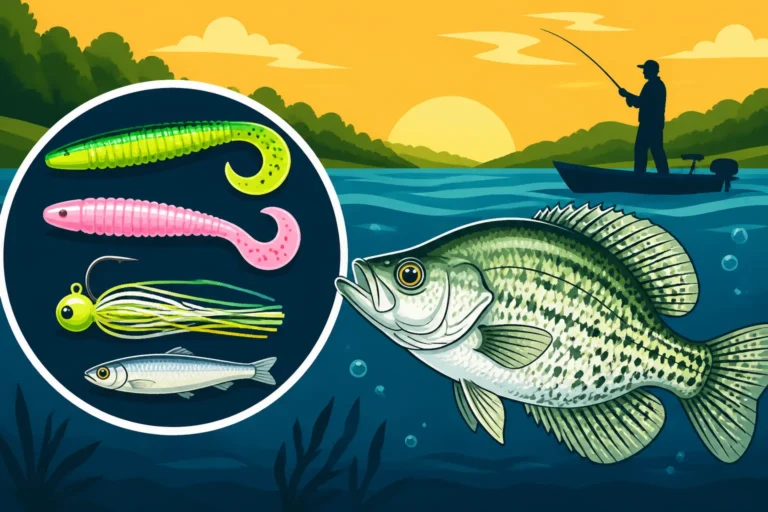
White bass are aggressive feeders, often schooling up and chasing baitfish near the surface, especially in the mornings and evenings during the warmer months. Light to medium-light spinning gear is usually perfect for these feisty fighters. Small inline spinners, spoons, jigs with plastic grubs, and even small crankbaits are all excellent choices. When you find a schooling frenzy, it's often a bite every cast!
Make sure your tackle box includes a variety of these baits. If you're looking to stock up, Amazon has a huge selection of white bass lures. Keep an eye out for birds diving into the water – that's often a telltale sign that white bass are pushing baitfish to the surface from below. Casting into these boils is almost guaranteed to get you hooked up. They can be found in many large reservoirs and rivers across the state, offering fantastic action, so check out Best Crappie Fishing Lakes in Kentucky as many of those lakes also hold great white bass populations.
Handling Your Catch Responsibly
Since there's no size limit, you might catch a lot of smaller white bass. Decide beforehand what size fish you prefer to keep for eating. If you plan to release fish, handle them gently. Wet your hands before touching the fish to protect their slime coat, and remove the hook quickly. If the fish is deeply hooked, it’s often best to cut the line as close to the hook as possible rather than trying to remove it, which can cause more damage. A good pair of needle-nose pliers or a de-hooking tool can be a real game-changer for quick releases.
For the fish you do intend to keep up to your 30-fish limit, make sure you have a cooler with ice to keep them fresh. White bass are excellent table fare, with firm, flaky white meat. Proper care after catching ensures the best flavor.
Preparing for a Game Warden Check
It's not uncommon to encounter a game warden while fishing in Kentucky. They are out there to ensure everyone is following the rules and to protect our natural resources. When they approach, be polite, courteous, and cooperative. Have your fishing license readily accessible – either a physical copy or an electronic version on your phone. If you're on a boat, make sure all required safety equipment, like life jackets, is in order.
The warden might ask to see your license, check your cooler for fish, and even ask about your catch. If you’ve been following the rules, you’ll have nothing to worry about. They appreciate anglers who are informed and responsible. Remember that wardens are just doing their job, and a positive interaction makes everyone's day better. It's good to be familiar with Game Warden Enforcement and License Checks While Fishing to know what to expect.
Supporting Fisheries Conservation
By following regulations, purchasing your license and any necessary permits, you're directly contributing to the conservation efforts that keep Kentucky's waters healthy and teeming with fish. A portion of the funds from license sales goes directly back into fisheries management programs, including fish stocking, habitat improvement, and scientific research. So every time you buy a license, you're not just getting permission to fish; you're investing in the future of fishing in Kentucky. It's a win-win for everyone who loves to wet a line.
You can also contribute by practicing good stewardship: pick up any trash you find, avoid spreading invasive species (clean, drain, and dry your boat!), and report any poaching or environmental violations you witness. Our shared waters are a precious resource, and it’s up to all of us to protect them.
Disclaimer
This article is for general informational purposes only and does not constitute professional advice. Laws, prices and regulations vary by location and change over time. Consult a qualified professional for guidance on your specific situation.