Kentucky Life Jacket Rules for Tubing and Watersports
It's easy to get swept up in the fun of a day out on Kentucky's beautiful lakes and rivers, especially when you're planning on some exhilarating watersports like tubing or wakeboarding. But amidst all the excitement, a common question pops up: do you really need to wear a life jacket, or is it enough just to have one on the boat? This guide will clear up all that confusion, detailing Kentucky's specific life jacket rules for tubing and watersports, ensuring your day on the water is both thrilling and safe.
The Basics of Kentucky Life Jacket Laws on the Water
Before we dive into the specifics of watersports, it’s really helpful to understand the general framework of life jacket laws here in Kentucky. Like many states, Kentucky has a strong commitment to water safety, and these regulations are designed to keep everyone on the water as safe as possible. It’s not just about avoiding a fine; it’s about preventing tragedies. Many people find the rules a little murky, especially when comparing them to other states or what they might have heard over the years.
General Requirements for All Vessels
For starters, every single vessel on Kentucky waters, whether it's a mighty bass boat on Kentucky Lake or a humble canoe on a smaller creek, needs to have enough U.S. Coast Guard-approved life jackets for everyone on board. This isn't just a suggestion; it's a solid rule. Imagine you're out for a leisurely cruise on Lake Cumberland, and you suddenly hit an unexpected wave or encounter engine trouble. Having those life jackets readily accessible can be the difference between a minor scare and a serious incident. These personal flotation devices (PFDs) must be in good, serviceable condition, meaning no torn straps, ripped fabric, or broken buckles. They also need to be of the appropriate size for each person. A child's life jacket won't do much good for an adult, and vice-versa. It’s really about preparedness, ensuring that if an emergency arises, you're not scrambling to find an ill-fitting or damaged piece of safety gear. For more details on overall requirements, check out Life Jacket Requirements for Every Boat Occupant in Kentucky.
Understanding "Wear It" vs. "Have It On Board"
Now, here's where a lot of the confusion often comes in: the distinction between "having a life jacket on board" and "actually wearing it." For most adult passengers simply cruising on a boat, the law generally says you just need to have a life jacket on board that's easily accessible. You don't necessarily have to wear it every second. However, this rule changes significantly for children under a certain age. In Kentucky, all children 12 years of age and younger must wear a U.S. Coast Guard-approved life jacket whenever they are on the open deck or cockpit of a recreational vessel that is underway. This is a critical rule, and one that game wardens enforce strictly because kids can fall overboard so quickly and silently. So, if you have little ones with you, make sure their PFDs are snug and secure from the moment you leave the dock. Many parents find it's just easier to have everyone wear their life jackets, especially if the weather is unpredictable or if they're navigating busy waters. For more on the specifics for younger anglers, consider reading Kentucky Life Jacket Rules for Kids Under 12.
Specific Life Jacket Rules for Tubing and Watersports
When you introduce high-speed fun like tubing, water skiing, wakeboarding, or even kneeboarding, the rules get a whole lot clearer and much more stringent. These activities inherently carry a higher risk of falling into the water, often at speed, and potentially far from the safety of your boat. The dynamic nature of watersports means that a quick fall can disorient anyone, regardless of their swimming ability, making a worn life jacket an absolute necessity.
The Mandate for Active Participants
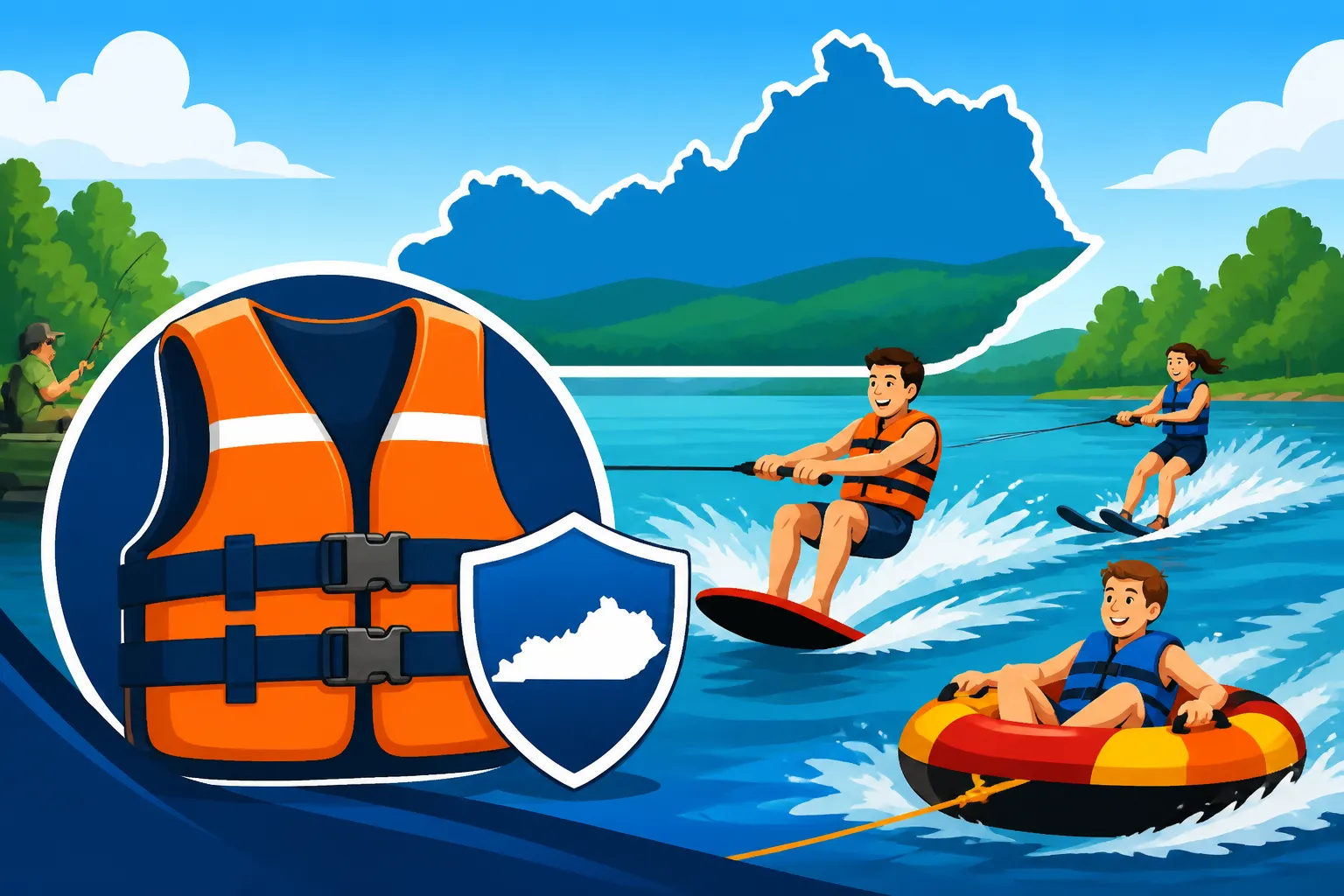
Here's the key takeaway for anyone hitting the waves for some watersports: if you are being towed behind a vessel on water skis, a tube, a wakeboard, or any other similar device, you must wear a U.S. Coast Guard-approved life jacket. This isn't optional; it's a mandatory safety measure. Think about it: when you wipe out while tubing, you're often flung into the water with considerable force, sometimes underwater or disoriented. Trying to grab a life jacket from the boat or even one floating nearby would be incredibly difficult, if not impossible, in that moment. The PFD you're wearing is your immediate flotation, your instant safeguard. This rule applies to everyone participating, regardless of age or swimming prowess. Even Olympic swimmers would be wise to wear a PFD during high-speed watersports because the conditions are so different from a pool. The law extends beyond just being towed; if you're operating a personal watercraft (PWC) like a Jet Ski, you also fall under the "wear it" rule. This is because PWCs are fast, agile, and riders are very susceptible to being thrown from the vessel. If you're wondering about PWC specifics, check out Must You Wear a Life Jacket on a Jet Ski in Kentucky?.
Age and Fit Considerations for Watersports
While the "wear it" rule for watersports participants applies to all ages, the fit and type of life jacket are especially important. For children, it's not just about wearing any life jacket, but one that fits them properly and is designed for the activity. A PFD that is too loose can ride up around their ears, offering little protection, and a vest that's too tight will be uncomfortable and could restrict movement, making the experience less enjoyable and even dangerous. Manufacturers design PFDs with different weight ranges and chest sizes in mind, and it’s vital to choose one that matches the child's current measurements. For adults, a proper fit ensures that the life jacket will perform as intended – keeping your head above water and allowing you to breathe easily if you end up in the lake. Many dedicated watersports PFDs are designed to be less bulky, allowing for greater freedom of movement, which is crucial for activities like wakeboarding or water skiing where agility is key. You can find a wide range of options at retailers like Bass Pro Shops, or conveniently browse selections on Amazon, ensuring you get the right size and type for everyone. If you need help sizing up, take a look at How to Choose the Right Life Jacket Size for Kids.
Choosing the Right Life Jacket for Your Watersports Adventures
Selecting the right life jacket isn't just about compliance; it's about maximizing your safety and comfort on the water. With so many options out there, it can feel a little overwhelming trying to figure out which one is best for your particular watersport. However, understanding the different types and their features can make the decision much simpler.
US Coast Guard Approval and Types of PFDs
First and foremost, any life jacket you use on Kentucky waters must be U.S. Coast Guard-approved. This approval ensures that the PFD meets specific safety and performance standards. You'll typically find a label inside the jacket confirming its approval and listing its Type. There are five main types of PFDs, and for watersports, you'll mostly be looking at Type III.
- Type I (Offshore Life Jackets): These offer the most buoyancy and are designed for rough, open, or remote waters where rescue might be delayed. They're bulky and will turn an unconscious person face-up. Not ideal for watersports due to their size.
- Type II (Near-Shore Vests): Good for calm, inland waters, these vests are less bulky than Type I but may not turn an unconscious person face-up in all situations. Still a bit much for active watersports.
- Type III (Flotation Aids): These are the most popular choice for watersports and general recreational boating on inland waters. They're designed for comfort and allow a wide range of motion, making them perfect for tubing, water skiing, and wakeboarding. They will not necessarily turn an unconscious person face-up, so active participation and awareness are key.
- Type IV (Throwable Devices): These are things like buoyant cushions or ring buoys. They are not designed to be worn and only count as part of your boat's required PFDs if you also have wearable ones. You cannot use a Type IV as your mandatory PFD for watersports.
- Type V (Special Use Devices): These are designed for specific activities, often with specific conditions for approval (e.g., deck suits, work vests, whitewater vests). Some inherently buoyant Type V vests, if U.S. Coast Guard-approved for watersports, can be used. Inflatable PFDs also fall under Type V, but typically have restrictions for wear during watersports or by persons under 16, so always read the label carefully.
For the active thrills of tubing and watersports, a Type III PFD is almost always your best bet. It provides the necessary flotation while allowing you to move freely and enjoy your activity. When shopping, always look for that U.S. Coast Guard approval stamp. For a deeper dive into approved options, consider Coast Guard-Approved Life Jackets for Kentucky Boaters.
Comfort, Fit, and Activity-Specific Designs
Beyond the Type, comfort and fit are paramount. A life jacket that's uncomfortable or ill-fitting won't be worn, or it will distract you from the fun and potentially compromise your safety. When trying on a life jacket, make sure it fits snugly but doesn't restrict your breathing or arm movement. If you lift your arms, the shoulders of the jacket shouldn't ride up over your ears. Modern life jackets come in various designs, including vest-style, ski vests, and even some hybrid inflatables (though check the Type V restrictions). Many watersports-specific vests are designed with larger armholes, softer materials, and segmented foam panels to enhance flexibility and reduce bulk. This means you can carve waves or hang on tight to a tube without feeling like you're wearing a restrictive block of foam. Look for features like durable zippers, strong buckles, and adjustable straps to ensure a secure fit for different body types. Some even come with built-in drainage to prevent waterlogging. Investing in a good quality, activity-specific life jacket from a reputable brand sold at places like Bass Pro Shops or found online through Amazon can significantly improve your watersports experience, keeping you safe and comfortable all day long.
Common Misconceptions and Enforcement on Kentucky Waters
Even with clear rules, it's amazing how many myths and misunderstandings persist about life jackets, especially concerning watersports. Sometimes people make assumptions based on old information or what they've seen elsewhere, and that can unfortunately lead to risky situations or unwanted encounters with law enforcement. Knowing the truth helps keep everyone safe and compliant.
Dispelling Myths About Life Jacket Use
One common misconception is that if you're a strong swimmer, you don't really need a life jacket for watersports. This couldn't be further from the truth. Even the most capable swimmers can be knocked unconscious in a fall, disoriented by a high-speed tumble, or succumb to cold water shock. A life jacket is your personal flotation device, designed to keep you buoyant even if you can't actively swim. Another myth is that you only need a life jacket for young children, but as we’ve discussed, for watersports, it's a requirement for everyone being towed, regardless of age. Some people also believe that simply having an inflatable PFD tied to their waist is sufficient for watersports, but often, these are Type V devices with specific restrictions and may not be approved for active towing or PWC use unless immediately worn and ready for inflation. Always check the label of any inflatable PFD for its approved uses and restrictions, as they aren't always a "wear it" solution for dynamic watersports without meeting strict criteria.
What to Expect from Game Wardens and Water Patrol
Kentucky's Fish and Wildlife Resources game wardens and other water patrol officers are out on the lakes and rivers primarily to ensure everyone's safety, and that includes enforcing life jacket laws. They're not just looking to issue tickets; they're preventing accidents and ensuring that everyone can enjoy Kentucky's beautiful waterways responsibly. If you're out tubing or engaging in other towed watersports, it's highly likely they'll be keeping an eye out to make sure all participants are wearing appropriate, U.S. Coast Guard-approved life jackets. If you're stopped, they'll typically check for proper registration, safety equipment (including fire extinguishers and sound-producing devices), and, of course, life jacket compliance. They might also check your boat's capacity and operator's license if applicable (for those born after 1975, a Kentucky Safe Boating Certificate is often required). Being caught without the proper life jackets, especially for a watersports participant, can result in a citation and a fine. It's a small penalty compared to the potential consequences of a serious accident. So, do yourself and your loved ones a favor: always ensure everyone is properly equipped before you even leave the dock. A quick glance at your Kentucky Boating Safety Gear Checklist can save you a lot of hassle and keep everyone safe.
Here's a quick comparison of common PFD types for watersports considerations:
| PFD Type | Description & Primary Use | Buoyancy Level (General) | Ideal for Watersports? | Key Feature |
|---|---|---|---|---|
| Type I | Offshore Life Jacket | Highest | No | Turns most unconscious wearers face-up |
| Type II | Near-Shore Vest | Medium | No | Less bulky than Type I, may turn some unconscious wearers face-up |
| Type III | Flotation Aid | Moderate | Yes | Designed for comfort, mobility, and continuous wear; for conscious users |
| Type IV | Throwable Device | Variable | No (Supplemental only) | Designed to be thrown to a conscious person in distress |
| Type V | Special Use Device | Variable | Sometimes (Check label) | Specific activities, often with use restrictions |
Remember, the goal is to have fun safely. By understanding and adhering to Kentucky's life jacket rules for tubing and watersports, you can ensure that your adventures on the water are memorable for all the right reasons. Always put safety first, and you're guaranteed a fantastic time.
Disclaimer
This article is for general informational purposes only and does not constitute professional advice. Laws, prices and regulations vary by location and change over time. Consult a qualified professional for guidance on your specific situation.