How to Jug Fish for Catfish Step by Step
There's nothing quite like the thrill of chasing catfish in Kentucky, but sometimes, sitting there with a rod and reel just doesn't cut it when you want to cover more water or relax a bit while the fish find you. Jug fishing offers a unique, incredibly effective, and often surprisingly laid-back way to reel in some serious whiskerfish, tackling the challenge of finding active catfish across expansive lakes and rivers. This guide will walk you through everything you need to know, from gathering your gear to setting your lines, so you can enjoy a productive and legal jugging experience.
The Appeal of Jug Fishing for Catfish in Kentucky Waters
Jug fishing for catfish is a time-honored tradition in Kentucky, deeply rooted in our angling culture. It's a method that offers a different pace and challenge than traditional rod-and-reel fishing, allowing anglers to target multiple locations simultaneously and enjoy a bit of strategy as they spread their lines. The feeling of seeing a jug suddenly dance, bob, or even take off across the water is an unforgettable moment, signaling that a feisty Kentucky catfish has found your bait.
Why Jug Fishing is a Favorite for Kentucky Anglers
Many Kentuckians flock to jug fishing for several compelling reasons. First off, it's incredibly efficient. Instead of being limited to one or two lines per person, you can deploy multiple jugs, each with its own baited hook, drastically increasing your chances of finding actively feeding fish. This is particularly effective on large bodies of water like Kentucky Lake or the Ohio River, where catfish roam widely. You might be targeting big blue catfish in deep channels or robust flatheads lurking near submerged timber.
Beyond efficiency, there's a certain element of surprise and excitement that jug fishing brings. You set your lines, perhaps enjoy a meal, and then spend your time scanning the water, waiting for that tell-tale sign of a strike. It’s less about constant casting and reeling and more about strategic placement and patience, followed by bursts of high-energy action. It also makes for a fantastic social activity. A group of friends or family can easily manage a spread of jugs, turning a fishing trip into a shared adventure, complete with friendly competition over who lands the biggest catch. It's a method that blends tradition with modern convenience, offering a unique and rewarding way to pursue our beloved catfish.
Understanding Different Catfish Species for Jugging
Kentucky is home to several incredible catfish species, and jug fishing can be effective for all of them, though your tactics might shift slightly depending on your target. The big three you'll likely encounter are blue catfish, channel catfish, and flathead catfish. Each has its own preferences and habits, which are good to keep in mind when setting up your jugs.
- Blue Catfish: These are the titans of Kentucky's waters, known for their immense size and powerful fights. They are often found in the main channels of large rivers like the Ohio River or the deeper parts of big reservoirs such as Kentucky Lake. Blues tend to prefer fresh cut bait, like shad or skipjack herring, as they are primarily piscivorous (fish-eating). If you're hoping to land a true trophy, you'll want sturdier lines and bigger hooks when targeting blues with your jugs. You can learn more about these giants in our guide on Catfish Species in Kentucky: Channel, Blue, Flathead and White.
- Channel Catfish: The most common and widespread catfish in Kentucky, channels are abundant in almost every lake, pond, and river. They are less picky eaters than blues or flatheads, readily taking a variety of baits from cut fish to prepared stink baits, worms, or chicken livers. Channel catfish are fantastic table fare and provide a spirited fight, making them a popular target for jug fishermen. They generally don't reach the gargantuan sizes of blues, but a 5-15 pound channel cat on a jug can still be a thrill. For specific bait recommendations, check out our insights on the Best Bait for Channel Catfish Fishing.
- Flathead Catfish: Often called "yellow cats," flatheads are ambush predators that prefer live bait. They have a distinct, flattened head and mottled brown coloring, allowing them to blend into their surroundings. You'll typically find them in areas with plenty of cover, like submerged logs, rock piles, or dense brush. If you're jugging for flatheads, using live bluegill, sunfish, or even small carp as bait will be your best bet. Because they are structure-oriented, placing your jugs near known cover can be highly effective. They're tenacious fighters and delicious, too!
Understanding your target species helps tailor your bait, hook size, and even the depth you set your lines, maximizing your chances of a successful jugging trip.
Gearing Up: What You Need for a Successful Jugging Trip
Before you even think about putting a jug in the water, you need to assemble the right equipment. Jug fishing isn't overly complicated, but having the proper gear ensures both safety and success. From the jugs themselves to hooks, lines, and bait, each component plays a crucial role in bringing those catfish to hand. Don't worry, most of this stuff is readily available, often at your local tackle shop or even online. For example, if you're looking for a good deal on hooks or line, checking out options on Amazon can be a convenient way to get what you need delivered right to your door.
Essential Components of a Catfish Jug Setup
A basic jug fishing setup is wonderfully simple, yet incredibly effective. Here are the key components:
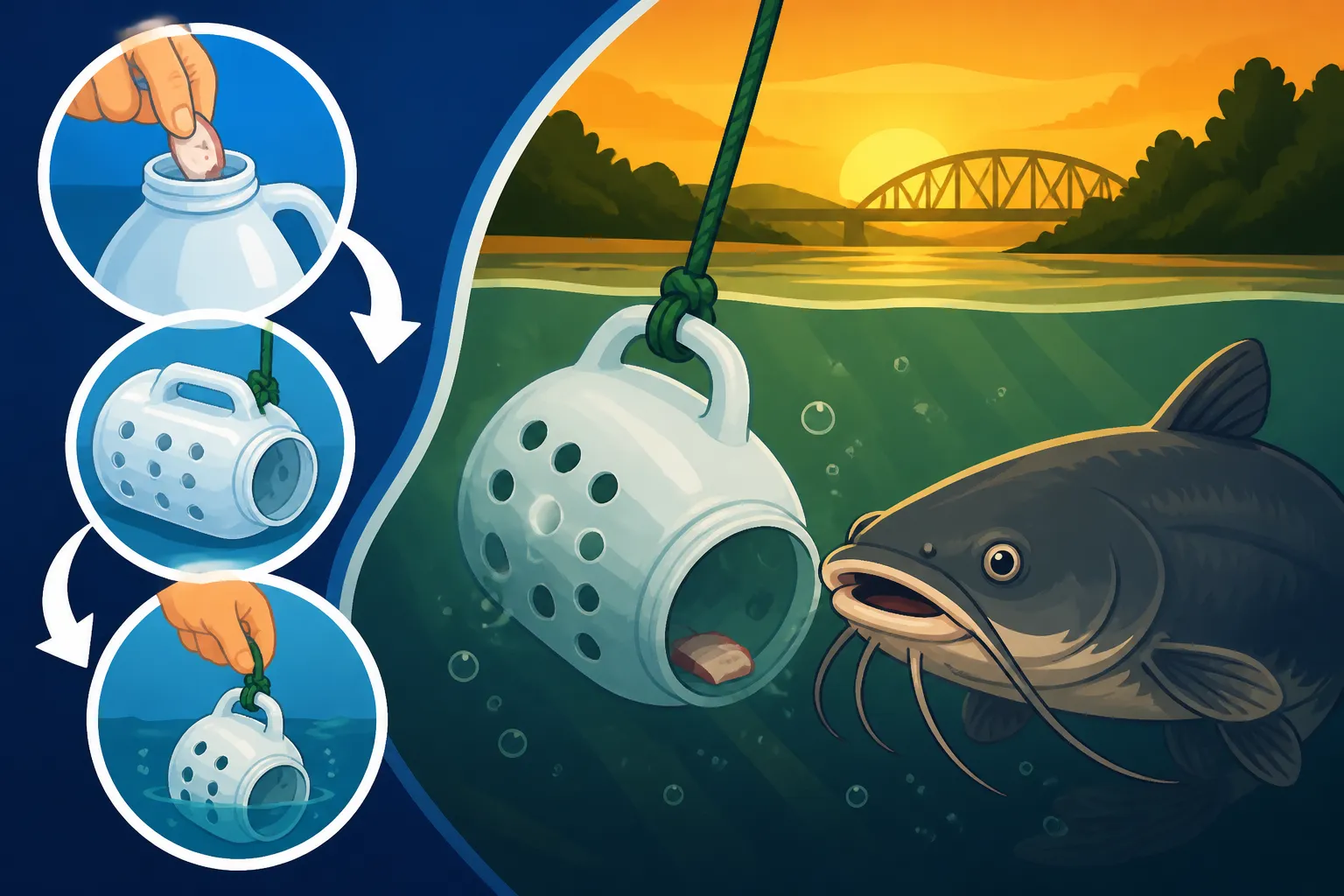
- The Jugs: This is, obviously, the namesake of the method! The best jugs are buoyant, highly visible, and can withstand a thrashing catfish. Many anglers use repurposed plastic bottles (like two-liter soda bottles or gallon milk jugs), but purpose-made foam jugs are also popular. They come in various shapes and sizes, usually brightly colored (like orange or yellow) so you can easily spot them on the water. Some anglers even prefer pool noodles cut into sections and weighted slightly. Whatever you choose, ensure they are watertight and can float upright even with a heavy fish pulling on the line. The larger the jug, the more buoyancy it has, which helps prevent a big fish from pulling it completely underwater or dragging it away too quickly.
- Line: You'll need strong, durable line that can handle the powerful runs and sharp fins of a catfish. Monofilament line in the 50-100 pound test range is common, but braided line of similar strength is also an excellent choice, offering less stretch and higher abrasion resistance. Each jug should have a length of line attached, typically 10-20 feet, depending on the average depth of the water you'll be fishing. You want enough line to reach the bottom or suspend your bait at a desired depth, but not so much that it becomes unmanageable or easily snagged. Ensure a secure knot attaches the line to the jug, as a lost jug means a lost fish.
- Hooks: Circle hooks are highly recommended for jug fishing, especially for catfish. Their design typically leads to a hookset in the corner of the fish's mouth, which is healthier for the fish if you plan to release it, and it reduces the chance of gut-hooking. Sizes can vary, but large, heavy-duty circle hooks from 6/0 to 10/0 are standard for catfish. The exact size will depend on the size of the bait you're using and the size of the catfish you hope to catch. Make sure they are sharp and strong enough to handle a big fish.
- Weights: You'll need enough weight to keep your bait at the desired depth, even in current, and to help anchor the line vertically. Pyramid sinkers, egg sinkers, or even heavy lead weights in the 1 to 4-ounce range are common. The weight prevents the current from sweeping your bait too far off target and helps keep the line taut.
- Swivels: A heavy-duty barrel swivel or snap swivel placed just above your hook will help prevent line twist, especially when a catfish starts rolling and fighting. This is a small detail that makes a big difference in preventing tangled lines and losing fish.
Choosing the Right Bait for Jug Fishing Success
The bait you choose can make or break your jugging trip. Catfish are opportunistic feeders, but they do have preferences, and those preferences can change based on the species you're targeting and the time of year. For our Kentucky catfish, here are some top choices:
- Cut Bait: This is a perennial favorite for blue and channel catfish. Freshly cut pieces of oily fish like shad, skipjack herring, or even carp release a strong scent trail that catfish can detect from a distance. Cut bait is incredibly effective, especially in warmer months. A good chunk of cut bait, roughly 1-2 inches square, is usually sufficient. You can find quality fishing knives on Amazon to help prepare your bait efficiently and safely.
- Live Bait: If you're specifically after flathead catfish, live bait is almost non-negotiable. Small bluegill, sunfish, or even carp (where legal) hooked through the back or lips will attract flatheads looking for an easy meal. Make sure your live bait is lively and healthy to be most enticing.
- Chicken Livers: A classic for channel catfish, chicken livers have a potent scent and soft texture that channels can't resist. The downside is they can be messy and tend to come off the hook easily, so you might need to use a bait holder hook or wrap them with a small piece of mesh or thread.
- Prepared Baits (Stink Baits): Various commercially prepared "stink baits" are formulated to attract catfish with their strong, often pungent odors. These are very popular for channel catfish and can be convenient, though they often require special "worm" style hooks or dip worms to hold them effectively.
- Nightcrawlers/Worms: While not as potent as cut bait or chicken livers for large catfish, a wad of nightcrawlers can still attract channel catfish, especially smaller ones. They are easy to use and a good fallback.
Remember to check local regulations on bait collection and usage, as some types of baitfish might be restricted in certain areas. For more details on what tempts the whiskered ones, our guide on Best Baits for Summer Catfish Fishing offers plenty of insights.
Important Safety and Ancillary Gear
Jug fishing, especially from a boat, requires more than just your jugs. Safety should always be your top priority on the water.
- Boat and Motor: While you can jug fish from the bank by casting your jugs out, having a boat allows you to cover vast amounts of water, deploy more jugs, and retrieve them efficiently. A jon boat or a stable fishing boat is ideal. Ensure your boat is in good working order, with a reliable motor.
- Life Jackets: Kentucky law, like most states, has specific requirements for life jackets. For example, children under a certain age must wear a U.S. Coast Guard-approved life jacket when the vessel is underway. Even for adults, it's always wise to wear one, or at least have one readily accessible for every person on board. Familiarize yourself with Life Jacket Rules for Boats in Kentucky before you head out.
- Anchor: A good anchor is crucial for holding your position while deploying or retrieving jugs, especially in currents or windy conditions.
- Lights: If you plan on fishing into the evening or at night, navigation lights for your boat are a must. Additionally, a powerful spotlight or headlamp will be invaluable for spotting your jugs in the dark. Catfish are often most active after sunset, so Night Fishing Techniques for Catfish can be very rewarding.
- Gloves and Pliers: Catfish have sharp fins and sometimes hooks can be deeply set. Heavy-duty gloves protect your hands, and long-nosed pliers or a hook remover are essential for safely unhooking fish.
- Cooler and Ice: To keep your catch fresh, bring a large cooler filled with ice.
- Navigation and Communication: A fully charged cell phone (in a waterproof case), a marine radio, or a GPS unit can be lifesavers, especially on large lakes or rivers where it's easy to get disoriented. Knowing about Kentucky Boat Registration Requirements Explained is also essential before you even launch.
Your Step-by-Step Guide to Setting and Tending Jugs
Now that you've got all your gear, it's time to put it to use! Setting and tending your jugs is where the strategy and fun truly come into play. It’s a rhythmic process of preparation, deployment, and patient waiting, punctuated by the excitement of reeling in a big catfish.
Preparing Your Jugs and Baiting Your Lines
The preparation phase is critical for ensuring your jugs perform as intended and your bait stays on the hook.
- Assemble Your Jugs: Before you even leave the dock, pre-rig your jugs. Attach your chosen length of fishing line securely to each jug. This might involve drilling a hole and threading the line through, or securely tying it to a handle or a section of pool noodle. Make sure the knot is strong and will not slip.
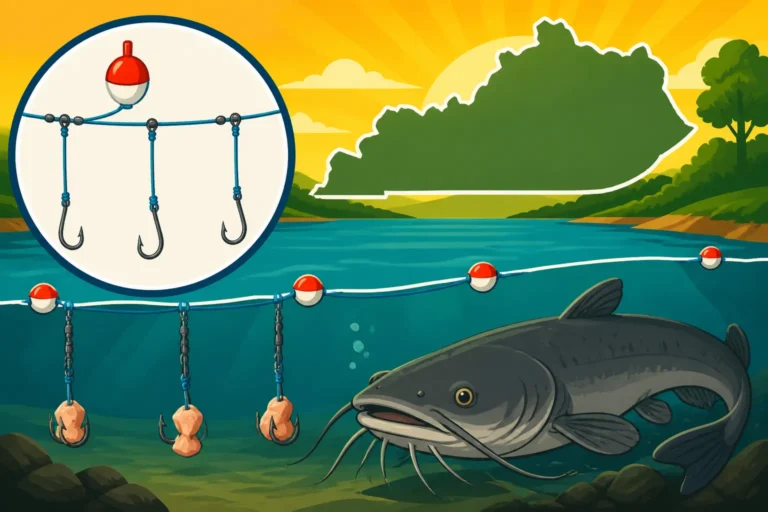
- Attach Weights and Swivels: At the terminal end of your line, tie on your weight. You can use a three-way swivel, attaching the main line to one eye, a short leader (12-18 inches) with your hook to another, and the weight on a short dropper line (6-12 inches) to the third. This setup minimizes tangles and keeps the bait off the bottom, or just slightly touching, depending on your preference. Alternatively, you can simply slide an egg sinker onto the main line, tie on a swivel, and then tie your hook leader to the other end of the swivel. The weight will slide down to the swivel.
- Prepare Your Hooks: Ensure your circle hooks are tied securely. If using chicken livers, you might want to use a specific bait-holder hook or wrap the liver with a small piece of elastic thread or mesh to keep it from washing off. For tougher cut baits, simply pierce the bait once or twice, making sure the hook point is exposed.
- Baiting Up: This is where your chosen catfish delicacy comes into play. For cut bait, use a robust piece that won't easily tear off. For live bait, hook it carefully through the back (above the lateral line, avoiding the spine) or through the lips, allowing it to swim naturally. Make sure the bait is fresh and appealing. Once your hooks are baited, carefully coil the line and place the baited hook inside the jug or on top of it, so it doesn't snag prematurely as you deploy.
Strategic Placement and Deployment of Jugs
Where you place your jugs can significantly impact your success. Catfish relate to structure and current, so understanding the water is key.
- Scout Your Location: Before deploying, use your boat's fish finder or even just a good map to identify promising areas. Look for channel bends, deep holes, submerged timber, rock piles, or current seams. On larger bodies of water like Lake Barkley or the Ohio River, target these structures. Catfish will often patrol these areas looking for food.
- Consider Depth and Current: Decide how deep you want your bait to be. If targeting blue catfish in deep channels, you might set your bait closer to the bottom. For flatheads, near submerged cover is ideal. In strong currents, you may need heavier weights to keep your jugs from drifting too quickly or your bait from being lifted too high.
- Deployment: This is the exciting part! Slowly motor through your chosen area. As you move, carefully drop each jug into the water. Ensure the line uncoils smoothly and the bait sinks without snagging. Space your jugs out sufficiently to cover a broader area and prevent tangles if multiple fish strike. The distance between jugs depends on current, wind, and the number of jugs you're running, but generally, 50 to 100 yards apart is a good starting point. You want them spread enough that they aren't interfering with each other but close enough that you can keep an eye on them. Remember, our guide on Kentucky Fishing Regulations Explained includes specifics on how many jugs you can legally run, so always check those details.
- Keep Track: It's vital to keep a mental note or even mark on a GPS where you deployed your jugs. If you're using multiple jugs, distinguishing them with different colored flagging tape can help if they drift close together.
Monitoring Your Jugs and Landing Your Catch
The real fun begins once your jugs are deployed. Now, it's a game of observation and quick response.
- Constant Vigilance: Keep a watchful eye on your jugs. A gentle bob might mean a smaller fish or just current, but a jug suddenly tilting, darting, or making a strong, sustained run across the water signals a serious bite! That's when your heart really starts pounding.
- Approach Carefully: When you spot an active jug, approach it slowly and quietly with your boat. You don't want to spook the fish or tangle other lines. Position your boat to pick up the jug from the downwind or downcurrent side if possible, giving you more control.
- The Fight: Once you grab the jug, the fight is on! Pull the line in hand-over-hand. Be prepared for a strong pull and swift runs from the catfish. It can be a real battle of strength, especially with larger fish. Wear gloves to protect your hands from line burns and the fish's rough skin and sharp fins.
- Landing the Fish: Once the fish is close to the boat, use a large, sturdy net to scoop it up. Catfish can be surprisingly powerful and slippery at the boat, and a net prevents losing a good fish right at the last second. For very large blue or flathead catfish, a gaff might be necessary, but this should only be used if you intend to keep the fish and are experienced with its use.
- Unhooking and Handling: Use your pliers or hook remover to safely unhook the fish. If you plan to release it, handle it gently, keeping it in the water as much as possible. If you're keeping it, dispatch it quickly and humanely, then place it on ice in your cooler to preserve the freshness. Be mindful of Kentucky Catfish Limit: 15 Fish, Only 1 Over 25 Inches and other site-specific regulations for whatever water body you are fishing.
- Re-bait and Re-deploy: After landing a fish, inspect your hook and line, re-bait, and re-deploy the jug in a promising area. The action can sometimes be fast and furious, so having fresh bait ready to go is always a good idea.
Navigating Kentucky's Jug Fishing Regulations and Best Practices
Jug fishing is a blast, but like all forms of angling in Kentucky, it's governed by specific rules. Following these regulations isn't just about avoiding fines; it's about ensuring sustainable fisheries for everyone and maintaining a positive image for this unique fishing method. A quick check of the Kentucky Department of Fish and Wildlife Resources (KDFWR) website is always a smart move before any fishing trip, as rules can change.
Key Kentucky Fishing Regulations for Jugging
Kentucky has clear guidelines for jug fishing to manage the resource effectively. These typically cover the number of jugs allowed, identification requirements, and specific areas where jugging might be restricted.
- Number of Jugs: Anglers are typically limited to a specific number of jugs per person. This limit is set to prevent overharvest and ensure fair access to the resource. Make sure you know the current limit, as exceeding it can result in penalties.
- Identification: Each jug usually must be clearly marked with the angler's name and address or KDFWR ID number. This helps enforcement officers identify legal jugs and contact owners if there's an issue. It also helps deter illegal abandonment of jugs.
- Restricted Waters: While widely permitted, jug fishing might be prohibited or have special restrictions in certain lakes, rivers, or specific sections of waterways. For example, some smaller lakes or designated trout waters might be off-limits for jugging. Always consult the KDFWR fishing guide for the specific body of water you intend to fish. Our guide on Kentucky Fishing Rules by Lake and Water provides further detail on these localized regulations.
- License Requirements: Just like any other form of fishing, you'll need a valid Kentucky fishing license to jug fish. Don't risk getting caught without one; the Penalties for Fishing Without a License in Kentucky can be quite steep.
- Time Restrictions: Some regulations may specify that jugs must be attended or checked periodically, or that they cannot be left in the water overnight without proper lighting. These rules aim to prevent fish from dying on lines unnecessarily and to ensure safety for other boaters.
A little planning and a quick read of the current regulations go a long way in ensuring your jugging trip is both successful and fully compliant.
Ethical Considerations and Leave No Trace Principles
Beyond the letter of the law, ethical angling practices are crucial for the long-term health of our fisheries and the enjoyment of all outdoor enthusiasts.
- Respect Other Anglers: Jug fishing takes up space. Be mindful of other anglers using different methods, such as rod and reel, or even other jug fishermen. Don't deploy your jugs in a way that interferes with their lines or limits their access to public waters. Giving ample space is a sign of respect.
- No Abandonment: Never abandon your jugs. Not only is it illegal (because you're required to identify them), but it also creates litter and can result in "ghost fishing," where hooks continue to catch fish that then die needlessly. At the end of your trip, collect all your jugs, even if they don't have fish on them.
- Responsible Fish Handling: If you're catching fish you don't intend to keep, practice catch-and-release responsibly. Handle the fish gently, minimize its time out of water, and revive it if necessary before release. For fish you do keep, follow bag and size limits closely. Our guide on Statewide Bag and Size Limits by Fish Species is a handy reference for this.
- Clean Up: Pack out everything you pack in. This includes bait containers, fishing line scraps, food wrappers, and any other trash. Leaving a fishing spot cleaner than you found it is a golden rule of outdoor ethics. Consider bringing a separate small trash bag for any refuse you generate.
By combining the thrill of the chase with a deep respect for Kentucky's beautiful waterways and its abundant fish populations, jug fishing can be an incredibly rewarding experience for any angler. Happy fishing, and may your jugs always be dancing!
Disclaimer
This article is for general informational purposes only and does not constitute professional advice. Laws, prices and regulations vary by location and change over time. Consult a qualified professional for guidance on your specific situation.