Best Tackle and Gear for Bank Fishing
There’s nothing quite like the peace of mind you get from wetting a line from the bank of a quiet Kentucky lake or a winding river. But often, the frustration sets in when you realize your boat-centric gear isn't quite cutting it, or you're missing that one crucial piece of tackle that would make all the difference when you're miles from the nearest store. This comprehensive guide is here to equip you with all the best tackle and gear specifically designed to make your bank fishing adventures in Kentucky not just successful, but truly enjoyable, leaving those gear-related frustrations behind.
Why Bank Fishing is a Fantastic Kentucky Pastime
Bank fishing offers a unique charm that boat fishing sometimes can't replicate. It's often more accessible, requiring less equipment, and it connects you directly with the shoreline environment. However, this accessibility also presents its own set of challenges, from limited casting angles to navigating rough terrain. Understanding these nuances is the first step to assembling the perfect bank fishing arsenal.
The Undeniable Appeal of Fishing from Shore
For many of us, bank fishing is where our love affair with angling began. There's a certain simplicity to it—just you, a rod, and the water. You don't need to worry about boat ramps, trailers, or the cost of gas. It's an impromptu adventure waiting to happen, whether you're heading to a local pond, a state park lake, or even a wide bend in the Ohio River. It’s also incredibly family-friendly; kids can run around and explore without the confinement of a boat, making it a great way to introduce them to the sport. Many of Kentucky’s smaller lakes and even some sections of our major reservoirs offer fantastic shore access that boaters often overlook, holding plenty of fish just waiting to bite.
This accessibility also means you can often find quiet spots that feel truly wild. Imagine casting into a secluded cove on Lake Cumberland: Kentucky's Best All-Around Fishing Lake or finding a hidden gem along a creek bed. These are the moments that truly make bank fishing special. It's a chance to slow down, observe nature, and just be without the constant hum of an outboard motor. Plus, packing light means less hassle and more focus on the actual fishing.
Unique Challenges Bank Anglers Face
While bank fishing is wonderfully freeing, it's not without its hurdles. One of the biggest challenges is simply reach. You're limited by how far you can cast, which means you often can't access prime fishing structures or deep pockets that are further out in the water. This is especially true on large bodies of water like Kentucky Lake or Lake Barkley, where the most productive areas might be a hundred yards offshore.
Another significant challenge is mobility. Unlike a boat, you can't just motor to a new spot. If the fish aren't biting where you are, moving means packing up all your gear and hiking to a new location, which can be cumbersome. Terrain can also be an issue; muddy banks, steep slopes, or dense undergrowth can make finding a good casting spot difficult and potentially hazardous. Think about trying to navigate some of the overgrown banks on a smaller Kentucky creek after a good rain. Furthermore, bank anglers often have to contend with more fishing pressure in easily accessible areas, meaning the fish might be warier.
Essential Rod and Reel Combos for Bank Anglers
Choosing the right rod and reel is paramount when you're fishing from the bank. Unlike boat fishing where you might have a dozen different setups for specific techniques, bank fishing often calls for versatility and the ability to handle a variety of situations with a limited number of rods.
Spinning vs. Baitcasting: Making the Right Choice
For most bank anglers, a spinning reel setup is the absolute go-to. Why? Because spinning reels are incredibly user-friendly, especially for beginners or those who only fish occasionally. They excel at casting lighter baits and lures, which is often what you'll be using when targeting crappie, bluegill, or smaller bass from the bank. The open-face design minimizes tangles and backlashes, which can be a real headache when you're trying to quickly re-tie a lure and keep fishing. Plus, they handle a wide range of line types well. For example, if you're trying to fish small jigs or live minnows for panfish in a clear Kentucky pond, a light spinning setup is simply unmatched.
Baitcasting reels, on the other hand, offer more power, precision, and the ability to cast heavier lures with greater accuracy. They're fantastic for pitching jigs into dense cover or throwing larger crankbaits for big bass. However, they have a steeper learning curve and are prone to backlashes, especially when casting into the wind or with improper technique. If you're an experienced angler specifically targeting larger species like bass or catfish with heavier baits, a baitcaster can be a powerful tool from the bank. But for overall versatility and ease of use, particularly if you're exploring different spots and don't know exactly what you'll encounter, spinning gear usually wins for bank fishing.
Rod Length and Action for Maximum Versatility
When choosing a rod for bank fishing, think about finding a balance between casting distance and maneuverability. A good starting point for general-purpose bank fishing in Kentucky would be a medium-light to medium power spinning rod, anywhere from 6.5 to 7.5 feet in length.
- Rod Length: A 7-foot rod is often considered the sweet spot. It provides enough length to achieve decent casting distance, helping you reach those slightly farther fish-holding structures, yet it’s not so long that it becomes cumbersome to handle in brushy areas or when walking through trails along the bank. If you find yourself on wide-open banks, a 7.5-foot rod can give you even more casting advantage. Conversely, if you frequently fish very tight, overgrown spots like some of the smaller creeks, a 6 to 6.5-foot rod might be easier to manage.
- Rod Action: A moderate-fast to fast action rod is ideal. This means the rod bends mostly in the top third or half of its length, allowing for good sensitivity to detect subtle bites while still having enough backbone to set the hook and fight fish effectively. A moderate action rod will cast further but offers less feel, while an extra-fast action rod is great for sensitivity but might limit casting distance with lighter baits.
For example, if you're fishing for bass on Taylorsville Lake's Best Bass Fishing Spots, a 7-foot medium power, fast action spinning rod would be a great choice for throwing soft plastics, small crankbaits, or even a spinnerbait from the bank, allowing you to cover water and feel those subtle strikes.
Line Choices for Different Bank Fishing Scenarios
Your fishing line is the critical link between you and the fish, and the right choice can make a huge difference, especially when you're restricted to bank access.
- Monofilament: This is a fantastic all-around line for bank fishing. It's relatively inexpensive, has good stretch (which acts as a shock absorber against sudden runs), and is easy to tie knots with. Its buoyancy also makes it great for topwater lures or fishing with bobbers. For general bank fishing, a 6-10 lb test monofilament is a solid choice. If you're targeting bluegill and crappie in quieter waters, 4-6 lb test is perfect. The slight stretch can be forgiving if you're prone to over-setting the hook or if you're dealing with a spirited fight close to the bank.
- Fluorocarbon: Known for its low visibility underwater and excellent abrasion resistance, fluorocarbon is a favorite for finesse techniques. It sinks, which can be advantageous when you want your bait to get down quickly and stay down, especially when fishing jigs or worms for bass. However, it has less stretch than mono and can be a bit stiffer, making knot tying a little more challenging. Many anglers use a fluorocarbon leader (6-12 lb test) tied to their main line for the best of both worlds.
- Braided Line: Super strong for its diameter and with virtually no stretch, braided line offers incredible sensitivity and casting distance. It's excellent for fishing in heavy cover where you need to muscle fish out, or for punching through vegetation. The downside is its high visibility and it can be more expensive. If you're targeting big catfish or heavy cover bass from the bank, 20-30 lb test braid can be incredibly effective, often tied to a fluorocarbon leader for stealth.
Consider the clarity of the water you're fishing. In very clear lakes like parts of Lake Cumberland, a low-visibility fluorocarbon leader is a smart move. In murkier Ohio River waters, monofilament or braid might be less of a concern. Best Fishing Line for Big Lake Bass offers more insights on line selection for larger waters.
Tackle Box Essentials: What to Pack for the Bank
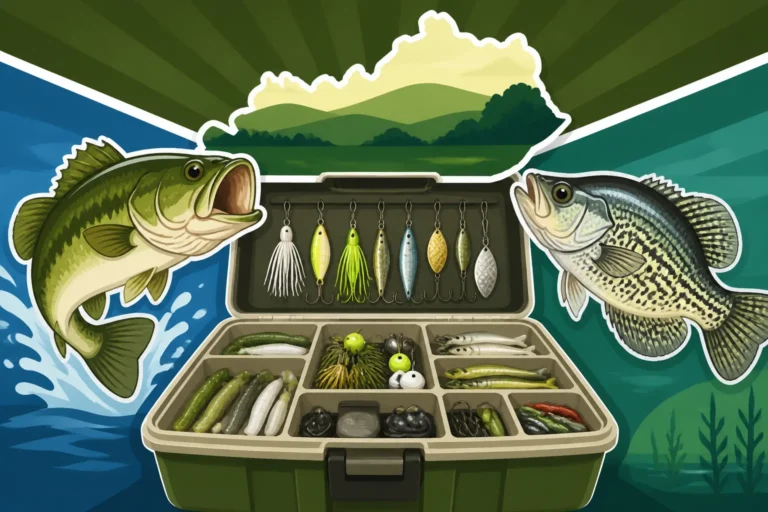
When you’re bank fishing, every ounce counts. You can’t just grab another tray from the boat locker. This means your tackle box needs to be smartly organized and filled only with the essentials you'll actually use. Forget the kitchen sink approach; think lean and effective.
Smart Storage Solutions for Portability
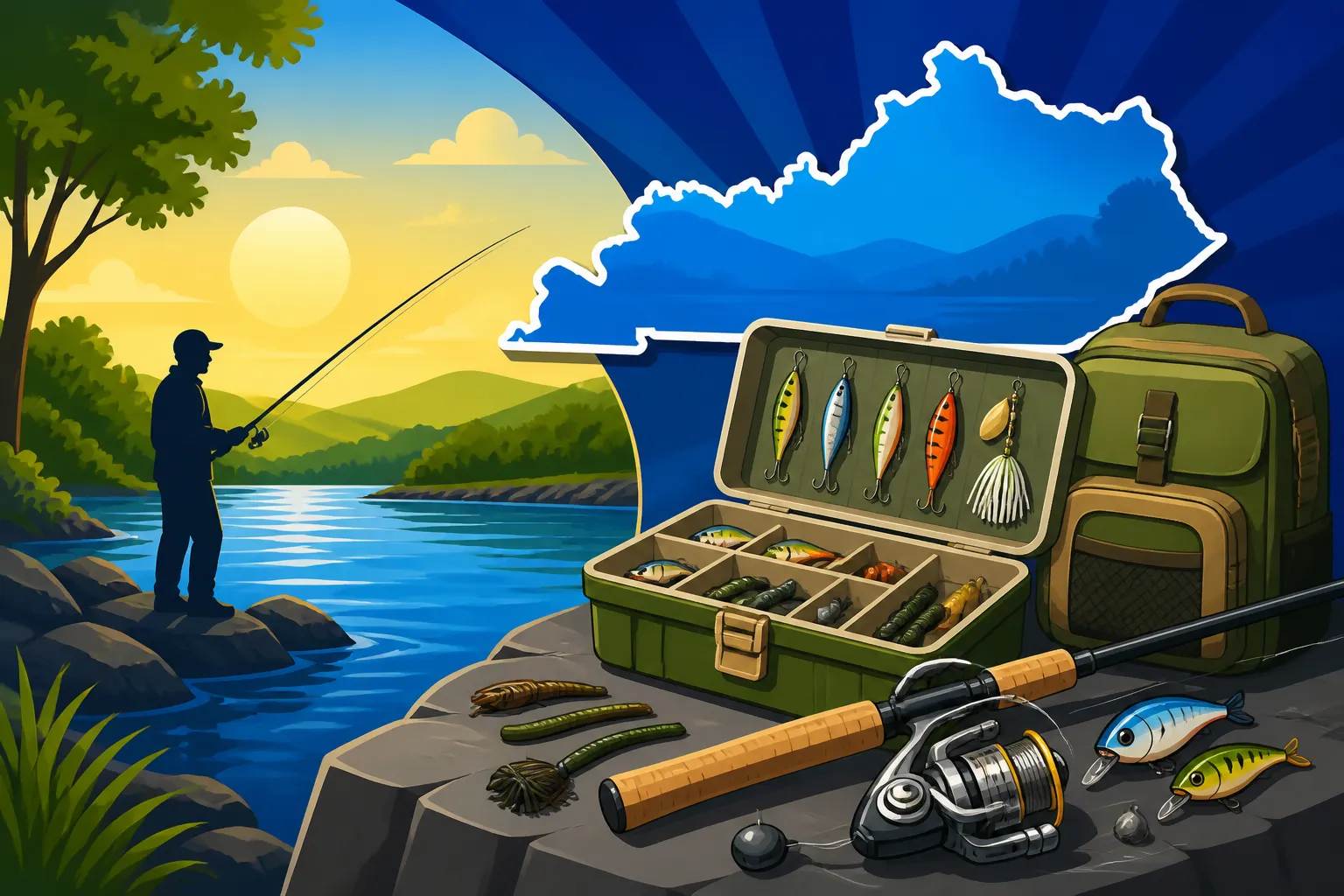
Forget those huge multi-drawer tackle boxes you see on bass boats. For bank fishing, portability is key. You'll want a compact, durable tackle bag or a small, single-layer tackle box. Soft-sided tackle bags are often preferred because they're lighter, can conform to your body when hiking, and usually have external pockets for quick access to essentials like pliers or a flashlight. Look for models with a comfortable shoulder strap. Brands like Bass Pro Shops offer a variety of sizes perfect for this, or you can find countless options on Amazon that cater to different budgets and styles.
Within your bag, utilize small, clear utility boxes to organize your terminal tackle (hooks, weights, swivels) by size and type. This prevents a tangled mess and allows you to quickly grab what you need. One box for hooks, one for weights, one for jigs, and maybe another for your go-to soft plastics. This systematic approach ensures you spend less time fumbling and more time fishing.
Basic Tools No Bank Angler Should Be Without
Even with a minimal setup, there are a few tools that are absolutely non-negotiable for a successful and frustration-free bank fishing trip.
- Pliers/Forceps: These are crucial for safely removing hooks from fish, especially those that are deeply hooked. They also come in handy for cutting wire, bending hooks, or adjusting split rings. A multi-tool with pliers is a great space-saving option.
- Line Clippers/Scissors: While many pliers have a line cutter, a dedicated pair of fishing scissors or nail clippers tied to a lanyard are invaluable for clean, quick line cuts, especially with braided line. Clean cuts help prevent frayed ends and ensure stronger knots.
- Measuring Tape/Scale: If you're serious about recording your catches or adhering to specific size limits (like the Kentucky Statewide Bass Limit: 12 Inches, 6 Fish a Day), a small, flexible measuring tape is a must. A compact digital scale can be fun for bragging rights too, especially if you catch a personal best from the bank.
- First Aid Kit: A small kit with band-aids, antiseptic wipes, and pain relievers is vital. Accidents happen, whether it's a hook in the finger or a slip on a rocky bank. Safety first!
- Headlamp/Flashlight: Even if you plan to only fish during the day, unexpected low light conditions or a long hike back to the car can make a headlamp a lifesaver. This is especially true if you find yourself fishing into dusk or even trying a bit of night fishing for catfish.
Having these basic tools ensures you're prepared for common situations, allowing you to focus on the fishing experience itself.
The Foundation: Hooks, Weights, and Swivels
This is your terminal tackle, the unsung heroes of your fishing setup. Having a good assortment of these items is critical, as they're often the first things you lose or need to change.
- Hooks: Bring a variety of sizes and styles.
- J-Hooks/Aberdeen Hooks: For live bait like worms or minnows, sizes 6 to 2/0 will cover most panfish, crappie, and smaller catfish.
- Worm Hooks/EWG Hooks: For soft plastic bass baits, sizes 1/0 to 4/0 are essential.
- Treble Hooks: A few spare trebles can be useful if you need to replace a damaged hook on a lure.
- Weights/Sinkers: You'll need various types and weights to get your bait to the desired depth and to help with casting distance.
- Split Shot: Small, easy to attach weights for light lines and bobber fishing. Keep an assortment of sizes.
- Bullet Weights: For Texas rigging soft plastics for bass, 1/8 oz to 1/2 oz are common.
- Egg Sinkers/Bank Sinkers: For bottom fishing with live or cut bait for catfish, especially in current. A few 1/2 oz to 1 oz sizes should suffice.
- Swivels and Snaps: These prevent line twist and allow for quick lure changes.
- Barrel Swivels: Useful for attaching leaders or preventing line twist with spinners. Sizes 7-10 are common.
- Snap Swivels: Great for quickly changing lures without having to re-tie your main line every time.
Having a well-stocked but organized selection means you can adapt to different conditions and presentations on the fly. For instance, if you're targeting crappie on Barren River Lake's Best Crappie Spots in Kentucky, having various small jigs and hooks will be crucial.
| Item Type | Key Use Case | Recommended Sizes/Types |
|---|---|---|
| Rods | General Purpose Spinning | 6.5-7.5 ft, Medium-Light to Medium Power, Fast Action |
| Reels | Spinning | 2500-3000 series, smooth drag |
| Line | Monofilament | 6-10 lb test (general), 4-6 lb (panfish) |
| Leader | Fluorocarbon | 6-12 lb test |
| Hooks | Live Bait | J-Hooks/Aberdeen: #6 to 2/0 |
| Soft Plastics Bass | EWG/Worm Hooks: 1/0 to 4/0 | |
| Weights | Light Rigging | Assorted Split Shot |
| Bass Rigs | Bullet Weights: 1/8 – 1/2 oz | |
| Bottom Fishing | Egg/Bank Sinkers: 1/2 – 1 oz | |
| Swivels | Line Twist Prevention, Leaders | Barrel Swivels: Size 7-10 |
| Quick Lure Changes | Snap Swivels: Size 7-10 | |
| Tools | Hook Removal, Line Cutting | Pliers/Forceps, Line Clippers/Scissors |
| Safety, Measurement | Small First Aid Kit, Measuring Tape, Headlamp | |
| Bait/Lures | Live Bait | Worms, Minnows (where legal) |
| Soft Plastics | Stick Baits, Worms, Grubs (Green Pumpkin, Black/Blue) | |
| Hard Baits | Small Crankbaits, Spinnerbaits, Inline Spinners | |
| Accessories | Landing, Comfort, Hydration | Small Landing Net, Stringer, Water Bottle, Camp Chair |
Bait and Lure Choices for Bank Fishing Success
When you're confined to the bank, your bait and lure selection becomes even more critical. You need options that are versatile, effective, and can draw fish from a distance or target specific species that patrol the shoreline. A balanced approach with both natural and artificial offerings is often the most successful strategy.
The Allure of Live Bait: Worms, Minnows, and Crickets
For many bank anglers, especially those targeting panfish, catfish, or even smaller bass, nothing beats the effectiveness of live bait. They offer natural scent, movement, and a profile that fish instinctively recognize as food.
- Worms (Nightcrawlers, Red Worms): The universal bait. From bluegill to crappie to catfish and even bass, almost every freshwater fish will eat a worm. They're easy to get, simple to rig, and incredibly effective. For bank fishing, a container of nightcrawlers is almost mandatory. You can use them whole for larger fish or pinch off smaller pieces for panfish on a tiny hook under a bobber. They're especially effective after a rain, as their scent washes into the water, triggering a feeding response.
- Minnows: Live minnows are deadly for crappie, white bass, and sometimes even a hefty largemouth bass. You’ll need a small aerated bait bucket to keep them lively. Rig them on a small hook through the lips or dorsal fin and fish them under a bobber or on a light Carolina rig. Just be sure to check local regulations on minnow use, as some waters might have restrictions. Many anglers fishing Kentucky Lake's Best Crappie Spots swear by live minnows, even from the bank, especially during the spring spawn.
- Crickets/Grasshoppers: For bluegill and other sunfish, crickets are a secret weapon. Their erratic movement on the surface or just below drives panfish wild. They're fragile but incredibly effective, especially in warmer months around vegetation-choked banks.
The advantage of live bait from the bank is its drawing power. Fish can smell and see it from a distance, compensating for your limited casting range.
Artificial Lures: Soft Plastics, Crankbaits, and Spinners
While live bait is often a sure bet, artificial lures offer versatility, covering more water, and mimicking various forage. Plus, you don't have to worry about keeping them alive!
- Soft Plastics: These are arguably the most versatile artificial lures for bank fishing, especially for bass and sometimes crappie.
- Worms/Stick Baits: Rigged Texas-style or wacky-style, these are incredibly effective for bass around cover or in open water. Colors like green pumpkin, black, or natural patterns are always a good starting point. You can cast them to visible cover along the bank, let them sink, and slowly work them back.
- Grubs/Small Swimmer Baits: On a small jig head, these are fantastic for crappie, smallmouth bass, and even larger bluegill. A 1/16 to 1/8 oz jig head with a 2-inch grub can be cast and slowly reeled, mimicking a baitfish.
- Crankbaits: Small to medium-sized crankbaits (diving 3-8 feet) can be incredibly effective for bass and even walleye from the bank, especially in areas with a gradual slope. Cast them out, reel them down to depth, and vary your retrieve speed. Look for natural baitfish patterns or bright colors like chartreuse in stained water.
- Spinnerbaits/Inline Spinners: These lures create flash and vibration, attracting fish from a distance.
- Spinnerbaits: Great for bass, especially in areas with sparse cover. The thumping blade and skirt movement can trigger aggressive strikes.
- Inline Spinners: Smaller inline spinners (like Panther Martins or Mepps) are deadly for trout (if you're fishing stocked streams and have a Kentucky Trout Permit Guide), crappie, and aggressive panfish. Their simple cast-and-retrieve action makes them easy to use.
When choosing artificials, think about the depth you can reach from your position and the type of cover available. If you're fishing a shallow, weedy bank, a weedless soft plastic or a shallow-diving crankbait will be more effective than a deep diver that constantly snags. Best Lures for Largemouth Bass on Big Water can offer more insights if you're targeting big bass.
Comfort and Safety Gear for Bank Fishing
Bank fishing often means spending extended periods outdoors, sometimes in unpredictable weather, and potentially traversing uneven terrain. Prioritizing comfort and safety isn't just a good idea; it's essential for a truly enjoyable and problem-free trip.
Staying Comfortable: Seating, Sun, and Rain Protection
Your comfort directly impacts how long and how effectively you can fish. Don't underestimate the power of a good hat or a reliable rain jacket.
- Portable Seating: While some anglers prefer to stand and roam, a lightweight, folding camp chair or a bucket with a padded lid can be a game-changer. It allows you to rest, especially if you're waiting out a bite, and provides a stable base for rigging up or eating a snack. Many state park banks have benches, but having your own option means you're never left standing uncomfortable.
- Sun Protection: Kentucky summers can be brutal. A wide-brimmed hat, polarized sunglasses (crucial for spotting fish and structure underwater), and high SPF sunscreen are non-negotiable. Long-sleeved, breathable fishing shirts offer additional protection from UV rays. Sunburn and eye strain can quickly cut a good trip short.
- Rain Gear: Weather can turn quickly in Kentucky. A lightweight, packable rain jacket and pants can save your day from an unexpected shower. Being soaked and cold is a surefire way to lose enthusiasm. Look for breathable options that won't make you overheat if it's still warm.
Investing in good quality comfort gear means you can extend your time on the water, even when conditions aren't perfect.
Essential Safety Measures and Navigation
When you're away from the amenities of a boat or a vehicle, being prepared for emergencies is paramount.
- Hydration and Snacks: Always carry more water than you think you'll need, especially in warm weather. Dehydration is a serious risk. Energy bars, fruit, or trail mix are excellent for keeping your energy levels up during a long session.
- First Aid Kit: As mentioned before, a small, well-stocked first aid kit should always be in your tackle bag. Hooks, sharp objects, and uneven terrain mean minor injuries are a possibility.
- Footwear: Sturdy, comfortable, and preferably waterproof shoes or hiking boots are a must. You might be walking over rocky banks, through wet grass, or up slippery slopes. Proper footwear prevents slips, sprains, and protects your feet from sharp objects. Avoid flip-flops or open-toed shoes.
- Cell Phone: While you're out to relax, your cell phone is an essential safety device for emergencies. Make sure it's fully charged and consider a waterproof case.
- Knowing Your Location: Even on familiar waters, it's wise to have a general idea of your surroundings. A simple map (even on your phone) or a mental note of landmarks can help you navigate back to your starting point, especially if you've hiked a bit to find a secluded spot. For example, if you're exploring lesser-known spots around Green River Lake Fishing Guide and Best Spots, knowing your way back to your vehicle is crucial.
Never underestimate the importance of safety. A little preparation goes a long way in ensuring your bank fishing trip is memorable for all the right reasons.
Bank Fishing Accessories for the Savvy Angler
Beyond the core rod, reel, and tackle, a few well-chosen accessories can significantly enhance your bank fishing experience, making it more efficient and enjoyable. These are the items that often separate a frustrating trip from a successful one.
Landing Nets and Stringers: Securing Your Catch
Once you've hooked a fish, the next challenge is getting it safely from the water to the bank.
- Landing Net: A small, foldable landing net is invaluable, especially if you're targeting larger fish like bass or catfish, or if you're fishing from a high bank. It prevents lost fish at the last second, reduces stress on the fish (if you plan to release it), and keeps you from having to awkwardly hoist a heavy, flopping fish by the line. Look for a net with rubberized mesh, as it's gentler on fish and less likely to tangle hooks.
- Stringer or Cooler: If you plan to keep your catch, a stringer is a simple and effective way to hold fish in the water, keeping them fresh. For larger catches or longer trips, a small, insulated cooler with ice is a better option. It keeps your fish in prime eating condition and doubles as a spot to store drinks and snacks. Always check Statewide Bag and Size Limits by Fish Species for the species you intend to keep.
Trying to swing a 5-pound bass up a steep bank with just your line is a recipe for disaster. A net and a stringer make the process much smoother and safer for both you and the fish.
Essential Hand Tools and Fish Care
Beyond basic pliers, a few other hand tools can make your life easier and improve your fish handling.
- Lip Grippers/Boga Grip: For safely handling toothy fish like catfish or large bass, a lip gripper provides a secure hold without harming the fish or your hands. It's especially useful for weighing fish quickly.
- Disgorger/Hook Remover: While pliers work for many situations, a dedicated disgorger is excellent for removing deeply swallowed hooks, particularly from smaller fish like bluegill or crappie, allowing for a cleaner release.
- Wet Towel: Keeping a small, wet towel handy is great for handling fish without removing their protective slime coat, which is vital for their health if you're releasing them. It also keeps your hands clean.
- Line Spooler/Stripper: If you plan to respool your reels frequently, a portable line spooler can be very helpful, especially when you're away from home. Stripping old line off quickly is also a plus.
These tools are about making the entire process, from hook-set to release or retention, as efficient and humane as possible.
Illumination and Navigation Aids
Even if you primarily fish during the day, having reliable light and knowing your way around is crucial.
- Headlamp: We mentioned it under tools, but it bears repeating under accessories. A hands-free headlamp is invaluable if you're fishing into dusk, starting before dawn, or navigating back to your car after a successful evening bite. It also helps with re-tying knots in low light.
- Portable Charger for Phone: If you rely on your phone for navigation, weather updates, or as a camera, a small power bank is a smart addition to keep it charged throughout the day.
- Binoculars: Not strictly necessary for fishing, but if you're scouting new areas or enjoy wildlife viewing, a compact pair of binoculars can enhance your outdoor experience, allowing you to spot distant structure or observe animal behavior without disturbing it. This can be particularly useful when you're scouting new Best Fishing Spots Near Lexington, Kentucky.
These items ensure you're prepared for the unexpected and can enjoy your time on the bank without worrying about getting lost or being left in the dark.
Maximizing Your Bank Fishing Experience in Kentucky
Bank fishing, while seemingly simple, has its own set of strategies and nuances that can significantly impact your success. Being thoughtful about your approach and understanding your environment will put more fish on the end of your line.
Scouting and Locating Productive Bank Spots
You can't catch fish if they aren't there! Effective scouting is one of the biggest keys to successful bank fishing.
- Online Maps and Satellite Imagery: Before you even leave home, use online mapping tools to look for promising areas. Identify points, coves, creek mouths, submerged vegetation (if visible), and any other structure that breaks up the uniformity of the bank. Look for areas where contours drop off sharply or where a creek channel meets a larger body of water.
- Physical Reconnaissance: Once you arrive, spend some time observing the water before making your first cast. Look for signs of baitfish activity (splashing, ripples), schooling fish, or even larger fish breaking the surface. Notice changes in water color, current seams, or areas with submerged timber. Walk the bank, if possible, to find natural pinch points, rock piles, or areas where the bank slopes down gradually into deeper water. These are often fish highways.
- Targeting Fish Holding Cover: From the bank, your goal is to find fish close to shore. This means looking for cover: downed trees, brush piles, docks (if public access allows), rock formations, or even culverts. These spots offer shelter, ambush points, and often hold baitfish, making them prime targets. Knowing How to Read Water for Fish Location is paramount for this type of scouting.
A few minutes of observation can save you hours of fruitless casting.
Effective Casting and Presentation from Shore
Your casting technique and how you present your bait are crucial when you have limited angles and distance.
- Fan Casting: Since you can't move your boat around, you need to cover as much water as possible from a single spot. Employ fan casting, where you cast to one side, then move your cast slightly with each retrieve until you've covered a wide arc in front of you. This helps you locate active fish and identify where they might be holding.
- Varying Retrieve Speeds: Don't just reel in at a constant pace. Experiment with different retrieve speeds, pauses, and twitches to see what triggers a strike. Sometimes a slow, steady retrieve is best, while other times a fast, erratic retrieve can ignite a chase. This applies to both artificial lures and even live bait under a bobber.
- Reading the Water: Pay attention to where your bait lands and how it interacts with the water. Are there currents? How deep is it? Does your lure get snagged easily? Adjust your presentation based on these observations. For instance, if you're fishing a shallow flat, a Texas-rigged worm might be better than a deep-diving crankbait. Conversely, if you're trying to fish around logs or brush on the bank of Herrington Lake's Best Bass Fishing Coves in Kentucky, a weedless setup is critical.
Mastering these techniques will allow you to make the most of every casting opportunity.
Adapting to Conditions and Local Regulations
The best bank anglers are those who can adapt. Conditions change, and knowing the rules keeps you out of trouble.
- Weather and Water Conditions: Pay attention to how weather affects the bite. After a heavy rain, waters might be muddy and swollen, pushing fish into calmer backwaters or closer to the bank. A cold front might make fish lethargic and send them deeper. High winds can make casting difficult and necessitate heavier weights. Always check the forecast before you go and have appropriate gear like a rain jacket.
- Species-Specific Tactics: While this guide is general, remember that different fish prefer different baits, depths, and presentations. If you're targeting catfish, you'll likely be bottom fishing with cut bait. For crappie, small jigs or minnows under a bobber are often key. Know your target species and adjust your tactics accordingly. For more specific advice, check out Bank Fishing Techniques for Catfish or Best Rods for Bank Fishing Crappie.
- Kentucky Fishing Regulations: Always, always be aware of the current Kentucky Fishing Regulations Explained. This includes statewide limits on bag and size, but also site-specific regulations that can vary greatly from one lake or river segment to another. You don't want to get caught accidentally keeping an undersized bass or exceeding a daily limit. A quick check of the Kentucky Department of Fish and Wildlife Resources website before your trip is a must. Remember, game wardens do conduct Kentucky Game Warden Checks: What to Have on Hand even on bank anglers.
By combining the right gear with smart angling techniques and an awareness of your surroundings and regulations, your bank fishing adventures in Kentucky will be consistently more rewarding. Enjoy the simplicity and the thrill of fishing from shore!
Disclaimer
This article is for general informational purposes only and does not constitute professional advice. Laws, prices and regulations vary by location and change over time. Consult a qualified professional for guidance on your specific situation.