Best Spots for Night Fishing for Catfish
There’s nothing quite like the peace and quiet of a Kentucky night, especially when you’re out on the water. Many anglers find themselves frustrated with slow bites during the heat of the day, battling boat traffic and bright sunlight. But when the sun dips below the horizon, a whole new world of fishing opens up, particularly if you’re chasing catfish. This guide is all about helping you discover the best spots for night fishing for catfish in the Bluegrass State, sharing the ins and outs to make your nocturnal adventures successful.
Why Night Fishing for Catfish is So Effective in Kentucky
If you've ever spent a sweltering summer day on a Kentucky lake, patiently waiting for a bite that never really comes, you know the struggle. The scorching sun, the jet skis buzzing by, and the general commotion can make fishing feel more like a chore than a pleasure. But here's the thing about catfish: they often thrive when things quiet down and cool off. This shift in conditions makes night fishing not just a viable alternative, but often the most productive way to target these whiskered warriors.
The Nocturnal Nature of Catfish
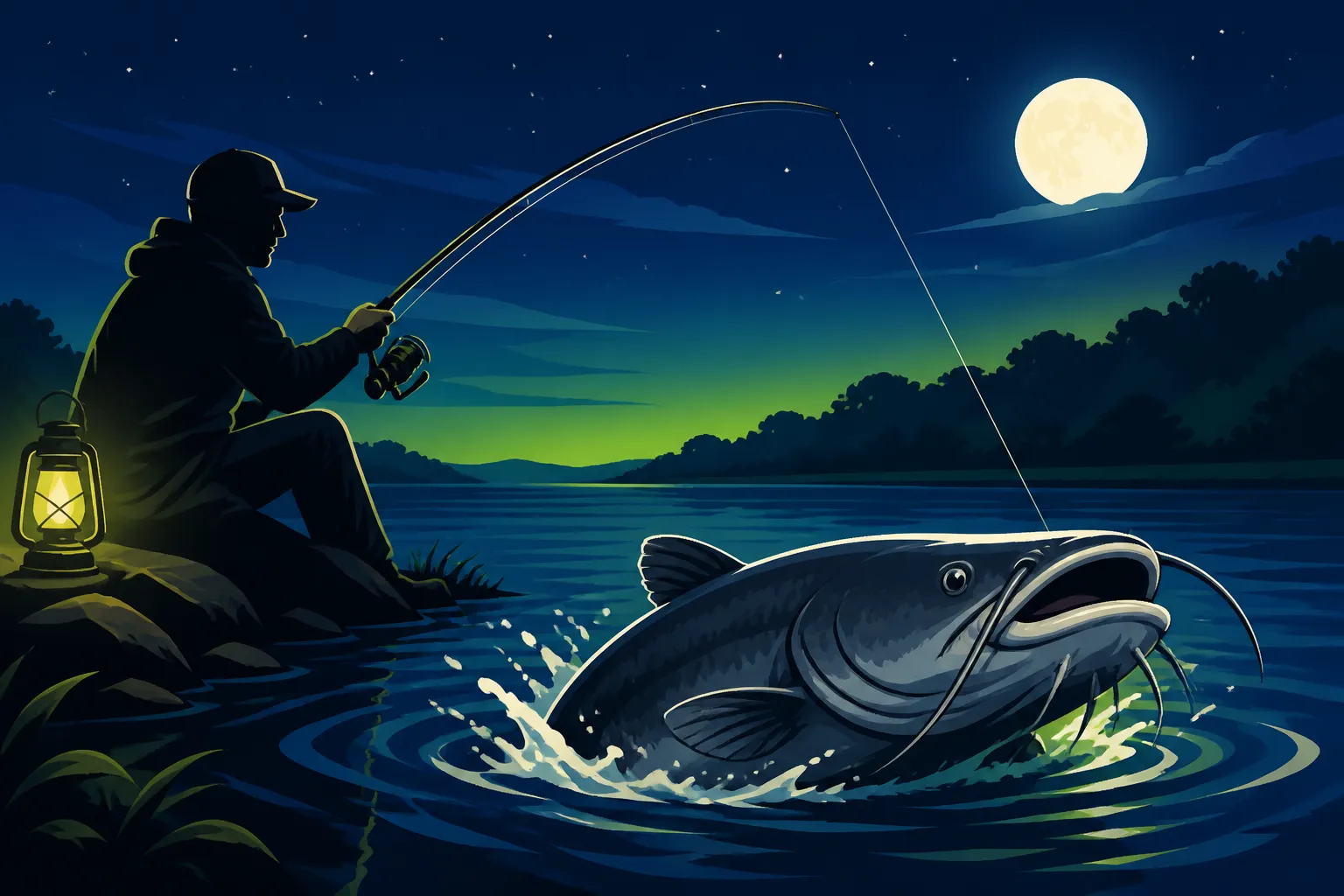
Catfish, particularly the larger channel, blue, and flathead varieties that call Kentucky waters home, are primarily nocturnal hunters. Think about it: they don't have eyelids, so bright sunlight can actually be quite uncomfortable for them. As dusk settles and darkness takes over, they become much more active, venturing out from their daytime hidey-holes to forage for food. This means that when you’re out there after dark, you're fishing during their peak feeding times, which dramatically increases your chances of a hook-up.
This change in behavior isn't just about comfort; it's deeply ingrained in their predatory instincts. Under the cover of darkness, catfish can use their incredible sense of smell and their barbels (those prominent whiskers) to detect prey more effectively. They're ambush predators, and the low light conditions give them an advantage over baitfish and other critters that might be less vigilant once the sun is gone. You’ll often find them moving into shallower waters or up onto flats where they wouldn't dare venture during the bright hours of the day, making them more accessible to anglers who brave the night.
Beating the Heat and Crowds
Let's be honest, fishing in Kentucky during July or August can feel like stepping into an oven. The oppressive heat isn't just uncomfortable for us; it can make fish lethargic and less inclined to chase a meal. When you switch to night fishing, you escape the daytime sauna, enjoying much cooler, more comfortable temperatures. This alone can transform a frustrating trip into a truly enjoyable experience. There’s something inherently relaxing about the cool night air, the sounds of nature, and the gentle lapping of water against your boat.
Beyond the temperature, the biggest perk might just be the tranquility. The pleasure boats, the jet skis, the water skiers – they all pack it in once evening arrives. This leaves the water much calmer and significantly reduces the pressure on the fish. You won't have to contend with wakes rocking your boat every few minutes, nor will you be sharing your favorite fishing hole with a dozen other anglers. This peace and quiet isn't just good for your soul; it’s excellent for fishing. Less disturbance on the water often means more confident fish that are more willing to bite. It’s a completely different atmosphere, one that many dedicated catfishermen swear by.
Top Kentucky Lakes for Night Catfishing
Kentucky is blessed with an abundance of fantastic waterways, and while many offer excellent fishing, some truly shine when it comes to night catfishing. The key is knowing which bodies of water provide the ideal habitat and forage for catfish, and where those nocturnal giants are most likely to roam after dark.
Kentucky Lake and Lake Barkley: Catfish Havens
When you talk about serious catfishing in Kentucky, it’s almost impossible not to mention the massive twin lakes, Kentucky Lake and Lake Barkley. These two interconnected reservoirs, formed by damming the Tennessee and Cumberland Rivers respectively, are absolute powerhouses for all three major catfish species: channel, blue, and flathead. Their sheer size, extensive river channels, deep holes, and abundant baitfish populations make them prime real estate for nocturnal catfish.
During the day, catfish on these lakes often retreat to the deepest parts of the old river channels, hunkering down on ledges or in submerged timber. But as night falls, they'll push up into shallower creek channels, onto flats, and along the edges of points to feed. Targeting structure like submerged bridges, old roadbeds, and the mouths of major creeks can be incredibly productive. For anglers looking to explore these vast waters, especially at night, consider using a service like FishingBooker to connect with experienced local guides who know these lakes like the back of their hand. They can put you on the fish even when you’re navigating by moonlight. If you're planning a trip to this region, you might also want to check out comprehensive guides like Kentucky Lake: The State's Top Bass Fishing Destination or Lake Barkley Fishing Guide for Kentucky Anglers for broader insights into these incredible fisheries.
The Mighty Ohio River: Trophy Catfish Territory
For those seeking truly monstrous blue and flathead catfish, the Ohio River is unparalleled. This vast waterway, forming Kentucky's northern border, is renowned for producing trophy-sized catfish that can weigh in at over 50 pounds, with blue cats sometimes topping the scales at over 100 pounds! Night fishing on the Ohio is an entirely different beast than lake fishing; you’re dealing with strong currents, commercial barge traffic, and a constantly changing river system.
The challenges are real, but so are the rewards. Key structures to target on the Ohio River at night include wing dams, rock piles, current breaks behind islands or major points, and the deep holes created by the river's flow. Anywhere baitfish are congregating or being swept along by the current is a potential hotspot for a hungry catfish. The tailwaters below dams like the McAlpine Lock and Dam near Louisville are particularly famous for their active night bite. However, navigating the Ohio at night requires extreme caution and a good understanding of river navigation lights and rules. It’s also wise to be intimately familiar with specific spots, as detailed in resources like Best Catfish Fishing Spots on Kentucky's Ohio River. For more general advice on chasing these giants, our Kentucky Catfish Fishing: Ohio River and Kentucky Lake Guide is a great starting point.
Lake Cumberland and Other Deepwater Gems
While Kentucky Lake and the Ohio River steal a lot of the spotlight for catfishing, don’t overlook other deepwater reservoirs like Lake Cumberland, Barren River Lake, or Taylorsville Lake. These lakes might not have the same reputation for sheer numbers of giant blue cats as the Ohio, but they offer fantastic opportunities for channel catfish and respectable blue cats, especially after dark.
Lake Cumberland, famous for its striper and trout fishing, also holds a healthy population of catfish. In these deeper, clearer lakes, catfish still follow their nocturnal patterns, moving from the depths to shallower feeding grounds once the sun goes down. Look for them around main lake points, submerged timber, and the mouths of larger coves and creeks. The key in these environments is often finding structure near a drop-off where catfish can easily transition between deep cover and shallow feeding areas. For more general information on this fantastic lake, take a peek at Lake Cumberland: Kentucky's Best All-Around Fishing Lake. Barren River Lake, with its sprawling flats and abundant crappie, also offers excellent night catfishing, particularly for channel cats that move onto those flats to feed on baitfish under the cloak of darkness.
Here’s a quick overview of some top night catfishing spots in Kentucky:
| Location | Primary Catfish Species | Best for Trophy Fish? | Key Nighttime Structures | Access & Navigation (Night) |
|---|---|---|---|---|
| Kentucky Lake | Channel, Blue, Flathead | Yes | River channels, creek mouths, ledges, submerged timber | Multiple boat ramps, vast area, requires good navigation skills |
| Lake Barkley | Channel, Blue, Flathead | Yes | River channels, creek mouths, ledges, submerged timber | Multiple boat ramps, vast area, requires good navigation skills |
| Ohio River | Blue, Flathead | Absolutely | Wing dams, current breaks, deep holes, barge channels | Challenging, strong currents, commercial traffic, requires experience |
| Lake Cumberland | Channel, Blue | Good | Main lake points, submerged timber, creek channels | Good boat ramps, deep lake, generally calmer than river |
| Barren River Lake | Channel, Blue | Good | Shallow flats, creek channels, timber | Good boat ramps, generally easier navigation |
| Taylorsville Lake | Channel, Blue | Moderate | Creek channels, standing timber, points | Good boat ramps, often less crowded |
Essential Gear and Techniques for Night Catfishing
Success in night catfishing isn't just about finding the right spot; it's also about having the right tools and knowing how to use them effectively when visibility is limited. Don’t just bring your daytime setup and expect the same results. A few adjustments and specialized gear can make all the difference between a frustrating night and one filled with memorable catches.
Must-Have Night Fishing Gear
Your gear needs to be robust and ready for the challenges of fishing in the dark. First and foremost, you'll need reliable lighting. A good headlamp with a red-light option is invaluable – the red light preserves your night vision better than white light. For boat anglers, proper navigation lights are legally required and absolutely essential for safety. Glow sticks or clip-on lights for your rod tips or bobbers are fantastic for seeing bites in the dark.
Next up, your rod and reel setup. Catfish, especially big ones, pull hard. You’ll want a heavy to medium-heavy action rod, typically 7 to 9 feet long, paired with a stout baitcasting or spinning reel spooled with strong monofilament or braided line (20-50 lb test is common). You can find some excellent recommendations for these setups in guides like Best Reels for Catfish Fishing which delve into specific choices. As for bait, this is crucial. Cut bait (like shad, skipjack, or even bluegill), live bait (sunfish or shad), and prepared stink baits are all deadly for catfish at night. Carry a variety to see what they prefer on a given night.
Finally, don't forget comfort and safety items. Bug spray is a non-negotiable, especially near the water at night. A comfortable chair, warm clothing (even on a summer night, temperatures can drop), a first-aid kit, and plenty of water or coffee are also smart additions. If you're new to the area or prefer to let someone else handle the gear, looking into a guided trip through services like FishingBooker can often provide all the necessary equipment and expertise. Many of these services specialize in night fishing and will have everything from the right tackle to bait covered. To round out your arsenal, consider reading up on general Best Catfish and Paddlefish Gear for Kentucky's Ohio River for specific heavy-duty setups.
Effective Night Fishing Techniques
Once you've got the gear, mastering a few techniques for night fishing will significantly boost your success. One of the primary decisions is whether to anchor or drift. If you’ve located a specific piece of structure or a proven deep hole, anchoring upstream and casting down into the strike zone is often most effective. This allows your bait to settle naturally in the current and gives the fish time to find it. However, if you're trying to cover more ground or searching for active fish on flats, drifting slowly with the current or wind can be highly productive. This is particularly useful on large lakes like Kentucky Lake.
As for rigs, the Carolina rig and the three-way swivel rig are classic catfish setups. A Carolina rig (with an egg sinker above a swivel, then a leader and hook) allows your bait to move more naturally. The three-way swivel rig (with a weight on one dropper line and the hook on another) is excellent for presenting bait just off the bottom in current. Remember, catfish often rely on their incredible sense of smell at night, so fresh, potent bait is key. Don't be afraid to add a bit of scent to your baits if allowed by regulations. Finally, patience and stealth are your best friends. Catfish might not be as spooky as bass, but sudden loud noises or bright lights can still put them off. Settle in, be quiet, and let your bait do the work. If you're just starting out, there are tons of great tips in Night Fishing Tips for Beginners that cover the basics, and for a deeper dive into techniques, check out How to Catch Catfish After Dark.
Safety and Regulations for Night Fishing
While the allure of a tranquil night on the water chasing monster catfish is strong, it's absolutely critical to prioritize safety and stay within the bounds of Kentucky's fishing regulations. The darkness adds an extra layer of challenge, and being prepared can prevent accidents and ensure your trip is enjoyable and legal.
Staying Safe on the Water After Dark
Boating at night requires heightened awareness and adherence to specific safety protocols. First, ensure your boat’s navigation lights are fully functional – a red light on the port (left) and green light on the starboard (right) side, plus an all-around white light visible for 360 degrees. These aren't just suggestions; they are legal requirements and vital for preventing collisions. Operating a boat without proper lighting at night is incredibly dangerous.
Always be acutely aware of your surroundings. Distances can be deceiving in the dark, and other boaters might not be as vigilant as they should be. Keep a sharp lookout for obstructions, floating debris, and other vessels. It’s always a good idea to fish with a buddy when heading out at night. There's safety in numbers, and an extra set of eyes and hands can be invaluable in an emergency. Lastly, ensure everyone on board, especially children, is wearing a Coast Guard-approved life jacket. While adults aren't always required to wear them, having them on at night is a smart move, as illustrated in resources like Life Jacket Rules for Boats in Kentucky. Being prepared with a reliable VHF radio or fully charged cell phone is also essential for communication. Knowing the rules and having a Kentucky Boat Safety Certificate Requirements can make you a more confident and safer boater.
Understanding Kentucky's Catfish Regulations
Just like daytime fishing, night fishing for catfish is subject to Kentucky's fishing regulations. These rules are put in place to manage fish populations and ensure sustainable fishing for everyone. It's your responsibility as an angler to know and follow these rules. Kentucky has statewide daily limits for catfish: 15 fish total for channel, blue, and flathead catfish combined, with only one fish over 25 inches for blue and channel catfish, and no size limit for flatheads. However, it's crucial to remember that site-specific regulations can override statewide limits for particular lakes or river stretches.
Before every trip, especially to a new body of water, make sure to check the latest Kentucky Department of Fish and Wildlife Resources (KDFWR) fishing guide or their website. This small effort can save you from a hefty fine and ensure you're contributing to conservation. For instance, specific lakes might have different size or creel limits depending on their management plans. Understanding these nuances is critical. For more general information on limits, refer to Kentucky Catfish Daily Limit and Trophy Fish Rule and for a broader overview of all rules, check out Kentucky Fishing Regulations Explained. If you're fishing with a guide, perhaps found through FishingBooker, they will usually be well-versed in the local regulations, but it never hurts to double-check.
Disclaimer
The information provided in this guide is for general informational purposes only and is not intended as legal advice or a substitute for official regulations. Fishing rules and regulations, including license requirements, bag limits, and size restrictions, are subject to change at any time by the Kentucky Department of Fish and Wildlife Resources (KDFWR). It is the responsibility of every angler to consult the most current KDFWR regulations guide or website before fishing. Always prioritize safety on the water.