How Many Fish Species Live in Kentucky?
It's truly amazing, isn't it? You can spend a lifetime fishing the incredible waters of Kentucky and still be surprised by what you reel in. One minute you're chasing bass, the next you've got a species on the line you barely recognize! It can be a real head-scratcher trying to keep track of everything, especially with all the different lakes, rivers, and creeks we have. But don't worry, this guide is here to shed some light on just how much aquatic life thrives in our beautiful state, helping you better understand and appreciate the incredible diversity that calls Kentucky home.
The Astonishing Diversity of Kentucky's Aquatic Ecosystems
Kentucky isn't just known for its rolling bluegrass and world-famous bourbon; it's also a hidden gem for anglers, boasting an incredible array of fish species that make our waterways truly special. From the mighty Ohio River to the smallest mountain streams, each body of water offers a unique habitat, contributing to a rich tapestry of aquatic life. It's easy to take for granted when you're casting a line, but the sheer number of different fish swimming beneath the surface is genuinely remarkable.
Breaking Down the Number: Over 260 Species
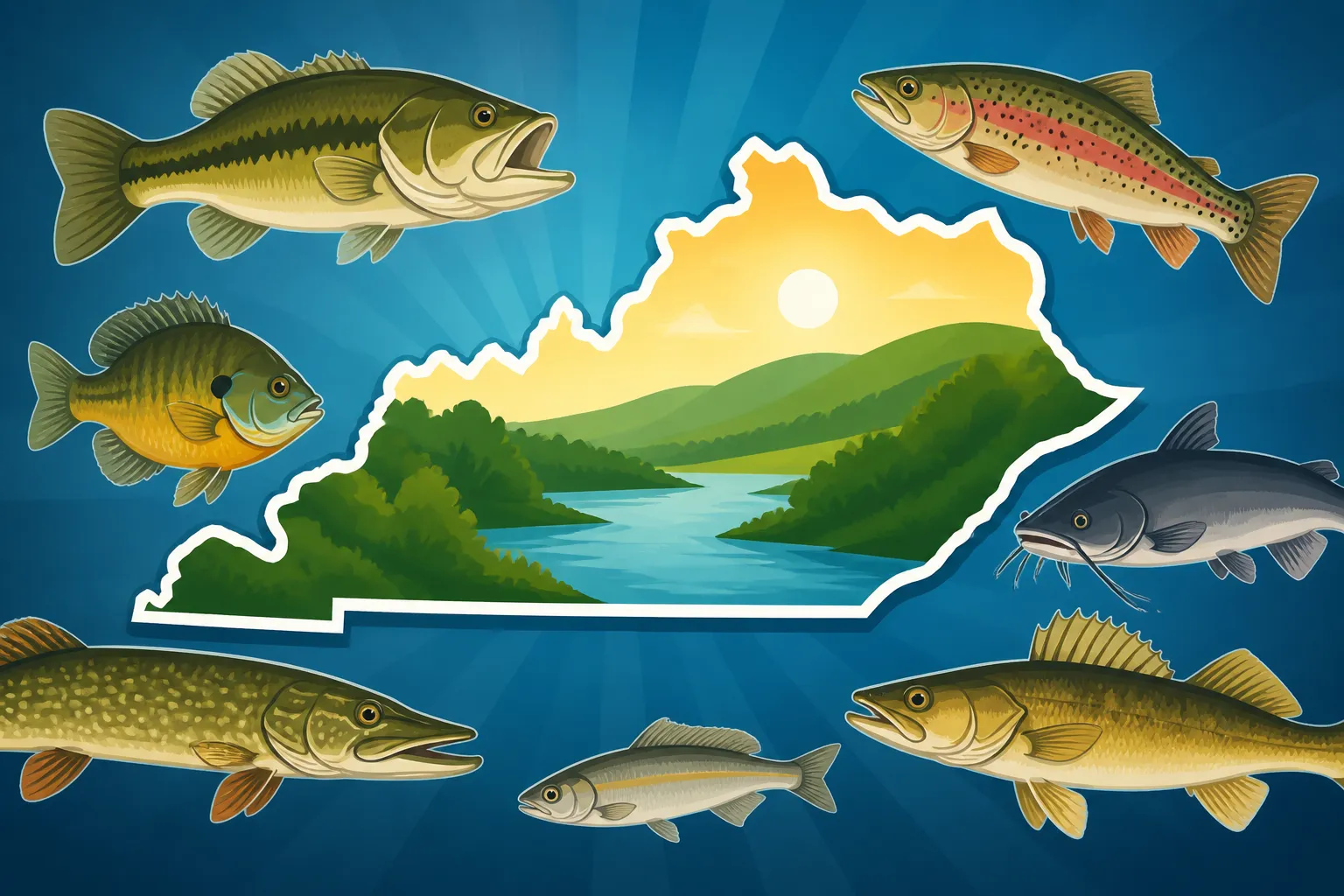
When you ask how many fish species live in Kentucky, the answer often comes with a sense of awe: over 260! To be more precise, our state is home to approximately 265 distinct species of fish. That's a huge number, isn't it? It represents an incredible level of biodiversity, meaning you have an astonishing variety of potential catches every time you head out. This isn't just about game fish either; it includes everything from the tiniest darters darting between rocks to the monstrous blue catfish lurking in deep river bends.
This incredible figure truly sets Kentucky apart and underscores why our fishing opportunities are so diverse. Whether you're a seasoned angler with a lifetime of experience or a newbie just learning to cast, there's always something new to discover. Knowing this number really puts into perspective the sheer richness of our aquatic heritage and why it's so important to protect these precious resources.
Factors Contributing to Such Rich Fish Life
So, how did Kentucky end up with such a bustling underwater world? A lot of it comes down to geography and the incredible variety of habitats we possess. Kentucky sits at a fascinating ecological crossroads, where different freshwater faunal regions converge. This means we have species typically found in the Great Lakes basin mixing with those from the Gulf Coast drainages, creating a melting pot of fish populations.
Our landscape also plays a massive role. We have everything from the deep, clear waters of lakes like Lake Cumberland and Herrington Lake to the wide, slow-moving expanses of the Ohio River. Then there are countless meandering creeks, swift mountain streams, and even smaller ponds. Each of these environments offers distinct conditions – different water temperatures, varying current speeds, diverse bottom structures, and unique food sources – which, in turn, allows a vast number of species to thrive. This mosaic of aquatic environments is the real secret behind our abundant and varied fish life.
Key Categories of Fish Anglers Encounter in Kentucky
With over 260 species, it can feel a bit overwhelming, right? Most anglers, however, tend to focus on several key categories that offer the most exciting fishing opportunities. These groups represent the bread and butter of Kentucky fishing, from the powerful fighters that test your tackle to the smaller, more numerous fish perfect for a family day out. Understanding these categories is the first step to becoming a more informed and successful angler in our state.
Popular Game Fish: The Angler's Targets
These are the heavy hitters, the species that often drive our passion for fishing and sometimes even dictate our vacation plans! When most folks think about fishing in Kentucky, they're picturing one of these prized catches. The excitement of a hard strike, the thrill of the fight, and the satisfaction of landing one of these beauties is what keeps us coming back.
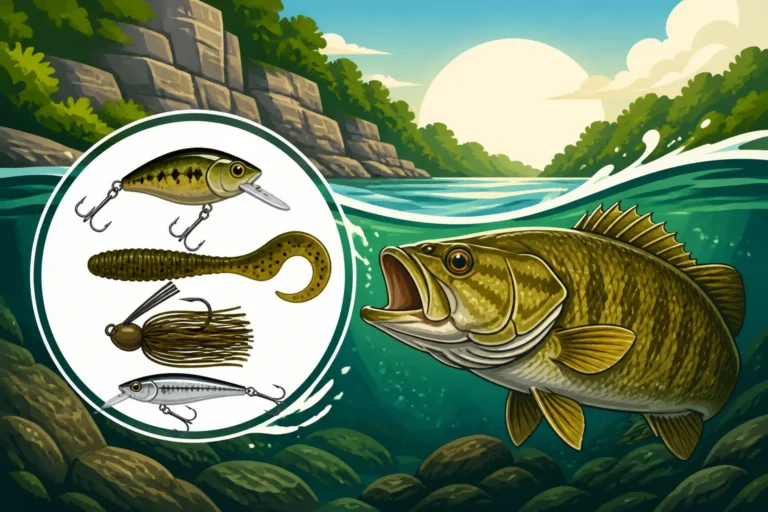
Of course, leading the pack are the bass species. We have a healthy population of Largemouth Bass Fishing in Kentucky: The Complete Guide in our bigger lakes and ponds, providing incredible action throughout the year. But don't forget the feisty Smallmouth Bass Fishing in Kentucky: The Complete Guide in our rivers and deep-water lakes, or the cunning Spotted Bass that often blends in with both. Differentiating between these can sometimes be a challenge, especially if you're not used to their subtle distinctions, but learning them makes you a sharper angler.
Then there are the ever-popular crappie, both black and white, which offer fantastic angling, especially during their spring spawn. If you've ever tried Crappie Fishing in Kentucky: Black and White Crappie Guide, you know how quickly a cooler can fill up! Catfish are another huge draw, with Channel, Blue, and Flathead varieties offering everything from steady action to the chance at a true monster. Our Catfish Species in Kentucky: Channel, Blue, Flathead and White are abundant, particularly in our larger rivers and lakes. For those who love a good fight and delicious table fare, the walleye, sauger, and saugeye populations in specific waters provide exciting opportunities. Learning how to distinguish between these similar-looking species is key, and our Walleye, Sauger and Saugeye Fishing in Kentucky guide can help. And let's not forget the beautiful trout, primarily Rainbow, Brown, and Brook, often found in the colder, clear waters of Lake Cumberland and mountain streams, which can be targeted with specialized gear and techniques. If you're looking for a colder water challenge, our Trout Fishing in Kentucky: Rainbow, Brook, Brown and Lake Trout guide is a great place to start.
Panfish and Sunfish: Fun for All Ages
While the big game fish grab a lot of headlines, it's often the humble panfish and sunfish that introduce us to the joy of fishing. These smaller, abundant species are perfect for beginners, kids, or anyone just looking for consistent action and a relaxing day on the water. They might not be trophy-sized, but they certainly deliver on the fun factor!
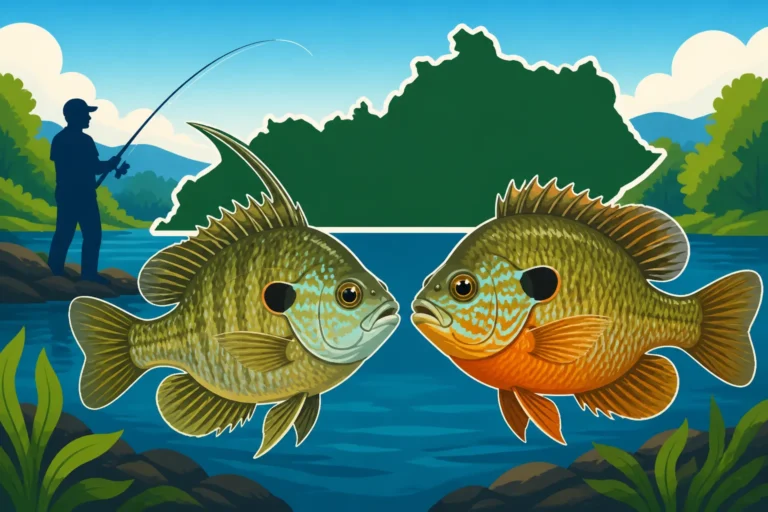
Kentucky's waters are absolutely teeming with Panfish and Sunfish Species Found in Kentucky like bluegill, redear sunfish (often called shellcrackers), and longears. These fish are generally less picky about baits and simpler to catch, making them ideal for teaching children how to fish or for enjoying a peaceful afternoon. You can often find them close to shore, around docks, or near submerged brush piles, making them accessible even without a boat. Many of us have fond memories of starting our fishing journeys with a bobber and a worm, waiting for that tell-tale twitch from a bluegill. They're also incredibly tasty, providing a fantastic meal after a successful outing. Other members of this family, like rock bass and warmouth, can also be found in specific habitats, adding to the variety of smaller fish you might encounter.
Lesser-Known but Fascinating Species
Beyond the usual suspects, Kentucky's aquatic world holds a treasure trove of truly unique and sometimes prehistoric-looking fish. These species might not always be the primary target for every angler, but encountering them can be an incredibly memorable experience, reminding us of the wild beauty lurking beneath the surface. They often inhabit specific niches and require different approaches to catch, adding another layer of challenge and excitement to your fishing adventures.
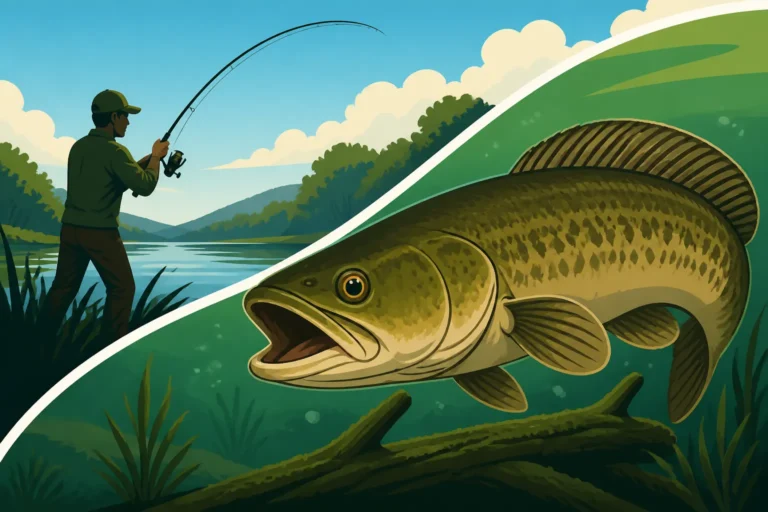
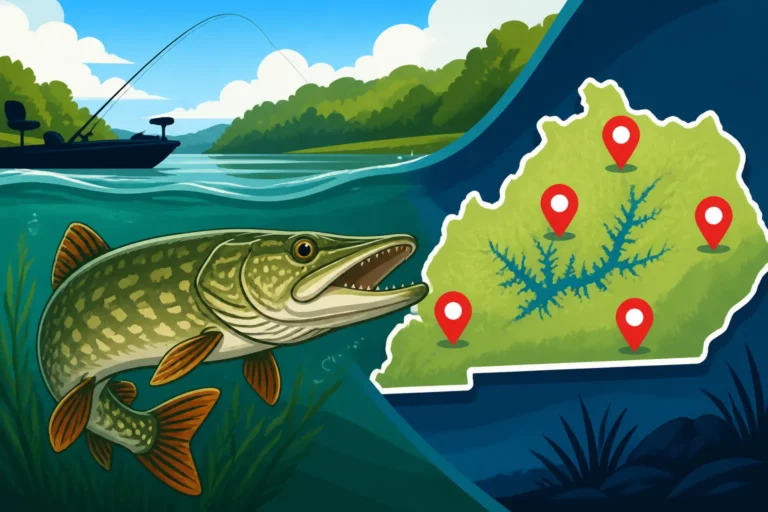
For instance, the paddlefish, a true ancient mariner, can be found in the Ohio River, offering a distinct fishing experience often involving snagging techniques. If you're curious about this amazing fish, check out our Paddlefish Fishing on the Ohio River: A Complete Guide. Then there are the longnose gar, with their distinctive elongated snouts and rows of sharp teeth, often seen basking near the surface in slow-moving waters. They're fierce fighters and a unique challenge for those looking for something different. Bowfin, sometimes mistaken for a snakehead, are another tenacious predator found in our backwaters, known for their powerful bites and incredible stamina. And let's not forget the freshwater drum, which are surprisingly common in our larger rivers, putting up a good fight for their size. Finally, for those seeking a true freshwater apex predator, Kentucky offers fantastic opportunities for Muskie, Pike and Pickerel Fishing in Kentucky, particularly in lakes like Cave Run. Hooking into one of these toothy giants is an adrenaline rush unlike any other, demanding specialized gear and plenty of patience.
Why Understanding Fish Species Matters for Your Fishing Success
Knowing about the different fish species in Kentucky isn't just a fun fact; it's a fundamental aspect of becoming a better, more responsible, and more successful angler. When you understand what fish you're likely to encounter, their behaviors, and their preferred habitats, you can make smarter decisions about everything from your tackle box to your fishing spot. It truly transforms a casual outing into a more intentional and productive experience.
Tailoring Techniques and Gear
Imagine trying to catch a tiny bluegill with a heavy-duty catfish rig, or attempting to land a trophy muskie with a flimsy ultralight rod. It just wouldn't work, would it? Different fish species have different mouths, feeding habits, and fighting styles, and your approach needs to match. This is where understanding species really comes into play. If you're after bass, you'll be thinking about soft plastics, crankbaits, or spinnerbaits. But if crappie are your target, tiny jigs or minnows under a bobber become your go-to.
Knowing your target species helps you select the right rod action, reel size, line weight, hook size, and even the type of bait or lure. For instance, when chasing sauger in colder water, you'll lean towards vertical jigging with specific lures, whereas bank fishing for catfish might call for heavy bottom rigs and potent cut bait. You can find excellent resources and specific tackle guides on platforms like Amazon, detailing the best setups for different species. Having the right tools for the job drastically increases your chances of success and makes the fishing experience much more enjoyable.
Navigating Regulations and Limits
This is where understanding fish species goes from helpful to absolutely critical. Every state, including Kentucky, has specific Kentucky Fishing Regulations Explained for different species, dictating everything from minimum size limits to daily possession limits. These rules are in place to ensure healthy fish populations and sustainable fishing for generations to come, and ignoring them can lead to serious consequences.
Consider our bass regulations: on most lakes, there’s a statewide size and daily limit. However, some lakes, like Lake Barkley, have special regulations that differ from the statewide rules for species like bass or crappie. If you don't know the difference between a largemouth and a smallmouth, or if you're unaware of a site-specific regulation, you could inadvertently be breaking the law. It’s important to familiarize yourself with Statewide Bag and Size Limits by Fish Species before you head out. It's always a good idea to have a copy of the current regulations, perhaps even a waterproof guide you can order from Amazon, in your tackle box or on your phone, so you can quickly confirm what's legal to keep and what needs to be released. This respect for the law and the fish is a hallmark of a responsible angler.
Conservation and Respect for the Ecosystem
Beyond just catching fish, understanding our diverse species fosters a deeper appreciation for Kentucky's aquatic ecosystems and promotes conservation. Knowing which species are native, which might be invasive, or which are particularly sensitive helps us fish more ethically. For example, some species, particularly larger predatory fish like muskie or trophy-sized catfish, are often targeted for catch-and-release to help maintain healthy breeding populations and ensure future trophy opportunities.
When you can correctly identify a fish, you're better equipped to handle it properly, minimize stress, and ensure its survival if you're releasing it. This includes knowing how to remove a hook gently, especially from delicate species, or understanding the importance of quickly returning a fish to the water. Our role as anglers extends beyond just the catch; it includes being stewards of these precious natural resources.
Exploring Kentucky's Waters for New Discoveries
Kentucky's landscape is a mosaic of different water bodies, each offering its own unique fishing experience and a chance to encounter different parts of our vast fish community. It's this variety that makes fishing in the Bluegrass State so endlessly rewarding. Whether you prefer the vastness of a major reservoir or the quiet solitude of a hidden stream, there's always a new adventure and a new species waiting to be discovered.
Rivers, Lakes, and Streams: Diverse Habitats, Diverse Fish
It's truly incredible how Kentucky's diverse geography shapes our fishing opportunities. Our state is blessed with an abundance of aquatic environments, and each one acts like a specialized apartment building for different fish species. The Best Fishing Spots in Kentucky aren't just random; they're prime locations because their habitats perfectly suit certain fish.
Take our massive reservoirs, for example. Kentucky Lake: The State's Top Bass Fishing Destination and Lake Barkley are renowned for their incredible populations of largemouth and smallmouth bass, as well as crappie and catfish. Their deep, expansive waters, coupled with abundant cover, create ideal conditions for these popular game fish to thrive. Head over to Lake Cumberland, and while you'll still find bass, it's also a premier spot for trout, thanks to its deep, cold waters. Then there's the mighty Ohio River, forming our northern border. This colossal waterway is a haven for enormous blue and flathead catfish, as well as paddlefish. Anglers from neighboring states like Ohio, Indiana, and Illinois often cross into our shared waters, and it’s important to remember that Ohio Anglers Fishing in Kentucky Waters (and others) need a Kentucky license for these stretches.
Our smaller rivers and streams, particularly in Eastern Kentucky, tell another story. These clearer, often faster-moving waters are perfect for various sunfish and even some native trout populations. Ponds, scattered throughout the state, are often stocked with bluegill and bass, providing excellent, accessible fishing, especially for families and new anglers. Each type of water body is a self-contained ecosystem, and understanding which fish prefer which "neighborhood" is a huge part of successful angling.
Tools for Identification and Learning
With so many species, it's natural to feel a bit overwhelmed when you're trying to figure out what's on the end of your line, especially if it's something you haven't seen before. But don't worry, there are plenty of excellent resources available to help you become a fish identification expert. Field guides, often specific to freshwater fish of the region, are invaluable tools. They usually feature clear photos or illustrations, along with descriptions of key identification marks, size, and habitat.
Many modern anglers also use smartphone apps that can help identify fish on the spot, or at least narrow down the possibilities. Local bait shops and seasoned anglers are often fantastic sources of information, eager to share their knowledge. And remember, the Kentucky Department of Fish and Wildlife Resources website is always a great place to start for official information on species and regulations. For those looking to deepen their knowledge, there are fantastic waterproof fish identification guides available on Amazon that are perfect for keeping in your boat or tackle bag. Learning about the fish you catch, even the ones you release, makes every trip a richer, more educational experience.
| Fish Category | Example Species | Typical Habitat | Fun Fact |
|---|---|---|---|
| Game Fish | Largemouth Bass | Lakes, ponds, slow rivers | Known for ambush predation and aggressive strikes. |
| Blue Catfish | Large rivers, deep lakes | Can grow to immense sizes, making them trophy targets. | |
| White Crappie | Lakes, slow rivers, around structure | Popular panfish, often caught in large numbers during spring spawn. | |
| Rainbow Trout | Cold, clear streams, deep lakes | Prized for their beauty and fighting ability in colder waters. | |
| Panfish | Bluegill | Ponds, lakes, slow river backwaters | An excellent choice for teaching kids to fish dueversatility and abundance. |
| Unique Species | Paddlefish | Large rivers (like the Ohio River) | Filter feeders with a distinctive paddle-shaped snout; often snagged. |
| Muskie | Clear, vegetated lakes, larger rivers | Apex predator, known as the "fish of 10,000 casts" due to its elusive nature. |
Disclaimer
This article is for general informational purposes only and does not constitute professional advice. Laws, prices and regulations vary by location and change over time. Consult a qualified professional for guidance on your specific situation.